Use this tonight
If your child freezes before trying, don’t ask why. Ask this: “What’s the first move?” Then help them do only that first move.
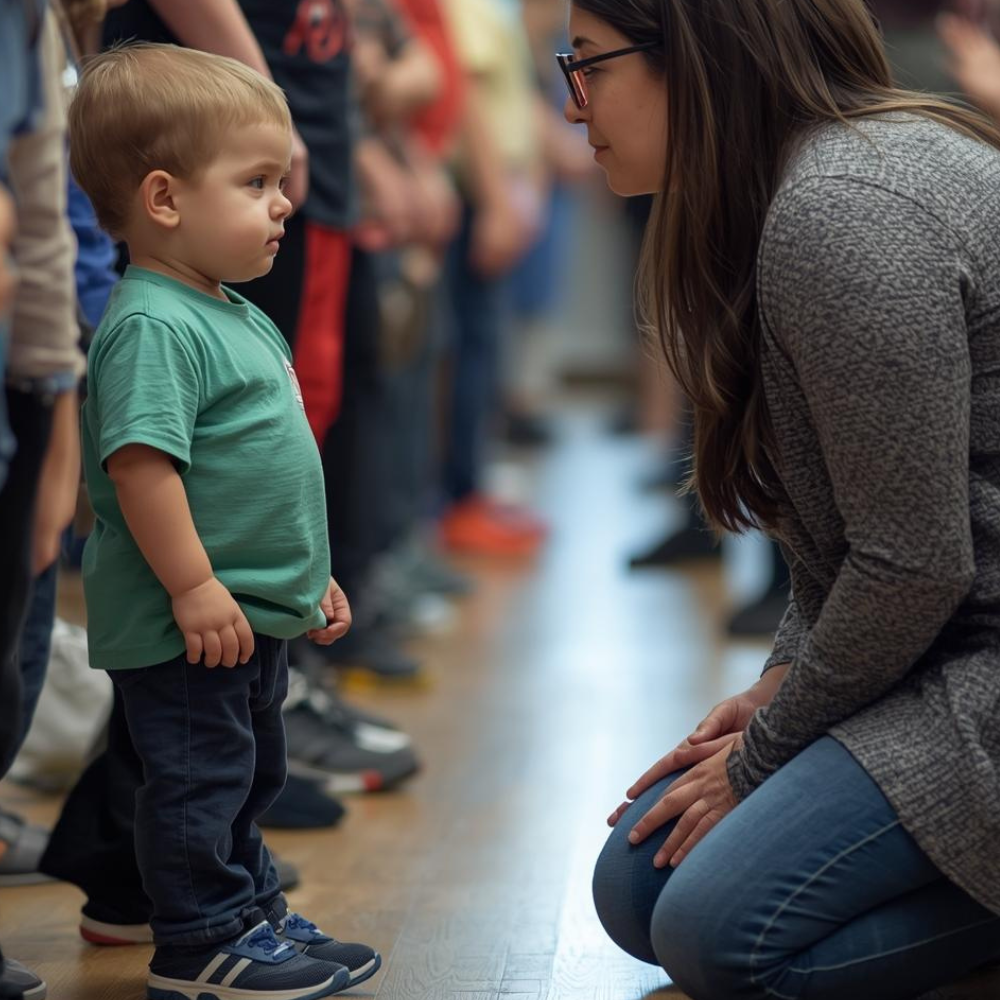
Start isn’t a personality trait. It’s a moment we can support.
What “freezing” really is (and what it isn’t)
When a child freezes before trying, it can look like defiance, stalling, or “being dramatic.” Most of the time, it’s neither.
Freezing is a protective pause. The brain senses uncertainty or risk and hits the brakes. This can happen with:
a blank worksheet
a new activity
walking into a classroom or group
trying something they care about (where failure feels exposed)
The key idea: freezing is not laziness. It’s often the moment the brain decides, “I’m not sure I can do this safely.”
The mistake parents make (because it’s the obvious one)
We try to solve the whole thing.
“Just start.”
“You can do it.”
“Why are you acting like this?”
“It’s not a big deal.”
But freezing usually isn’t a logic problem. It’s an access problem. Your child can’t access flexibility until they feel safer.
So we don’t ask for the whole assignment, the whole tryout, the whole practice, the whole social situation.
We ask for a first move.
The 3-Step “First Move” Script (the one I teach parents)
This is simple on purpose. It needs to be usable in real life.
Step 1: Name the moment, without judgment
You’re telling their nervous system: “I see you. You’re not in trouble.”
Say:
“Your brain is stuck at the starting line.”
Or:
“Starting feels hard right now.”
Keep your voice slow. One sentence.
Step 2: Shrink the task to a first move
A first move should be almost too easy. You’re not lowering expectations forever. You’re lowering the entry point.
Say:
“We’re not doing the whole thing. We’re doing the first move only.”
Then ask:
“What’s the first move?”
If they don’t know, offer three options:
“Open the page.”
“Write your name.”
“Read the first line.”
Step 3: Lock in a tiny win and stop on time
Your child needs evidence that starting is safe.
Say:
“Two minutes, then we pause.”
Then actually stop. Stopping on time teaches: Adults keep their word. Starting doesn’t trap me. I can approach again.
That’s how you build momentum without power struggles.
What to say in the hardest moments (plug-and-play scripts)
When they say: “I can’t.”
Say: “You can’t do the whole thing right now. That makes sense. Let’s do the smallest version.”
When they say: “You do it.”
Say: “I won’t do it for you, but I will sit with you while you start.”
When they get angry:
Say: “We’re not fighting. We’re choosing a first move.”
When they shut down:
Say: “You’re safe. I’m here. First move only.”
If big feelings are taking over and you want language that lowers shame, this post is a strong companion: https://www.yabbitrabbit.com/parent-resources/big-feelings-in-children-how-to-help-your-child-cope
Why this works (quick parent psychology)
Freezing is often tied to:
fear of being wrong
fear of being watched
executive function overload (too many steps)
perfectionism (it has to be “right”)
transition anxiety (moving from safe to uncertain)
The “first move” strategy works because it:
reduces uncertainty
reduces evaluation
creates a doable path
gives the brain proof it can approach
If your child’s pattern is hesitation across many situations, this deeper breakdown can help you see the mechanism more clearly: https://www.yabbitrabbit.com/parent-resources/psychology-of-hesitation-in-children-yabbit-the-rabbit
The “First Move Menu” (use this for almost anything)
If your child can’t identify a first move, offer a menu. Keep it physical and simple.
Homework: open folder, write name, read question
Sports: put shoes on, walk to the field, do one warm-up
Reading: pick one book, read one page, point to one word
Cleaning: pick up 3 items, make one pile, put one thing away
Your goal is not the whole job. It’s motion. Motion changes the feeling.
Invest in your child’s emotional growth
If your child freezes before trying, The Rabbit in the Moon was written for that moment. Yabbit the Rabbit’s story gives kids language for hesitation and a repeatable path forward: tiny brave steps and first moves that feel safe.
If the book has helped your family, a quick review helps other parents find it when they’re searching for the same support.
FAQs
Why does my child freeze before starting?
Often because starting feels risky: fear of being wrong, uncertainty about what to do first, or overwhelm from too many steps. Freezing is a protective pause.
Is freezing the same as procrastination?
Not always. Some procrastination is boredom, but many kids procrastinate because starting triggers stress. If you see tension, avoidance, or tears, treat it as a nervous system issue first.
What do I do if my child refuses to answer “What’s the first move?”
Offer a menu of three tiny starts. Make one of them extremely easy. If they still refuse, pause to regulate (water, breath, closeness), then try again.
Should I push them through the freeze so they learn discipline?
Discipline grows from repeated successful starts, not forced battles. Start tiny, keep it calm, and build consistency. Pressure often increases the freeze response.
How long should the first move take?
Two minutes is a great starting point. Short enough to feel safe, long enough to create momentum. The key is to stop on time.
What if my child freezes in social situations, not tasks?
Same script. Name the moment, shrink to one first move (stand here 10 seconds, say one hello), and stop on time. Social freezing is still a safety problem.
When should I seek additional help?
If freezing leads to frequent panic symptoms, school refusal, or limits daily life across multiple settings, it can help to talk with a pediatrician or child therapist for support.