The Tiny Brave Hop Method
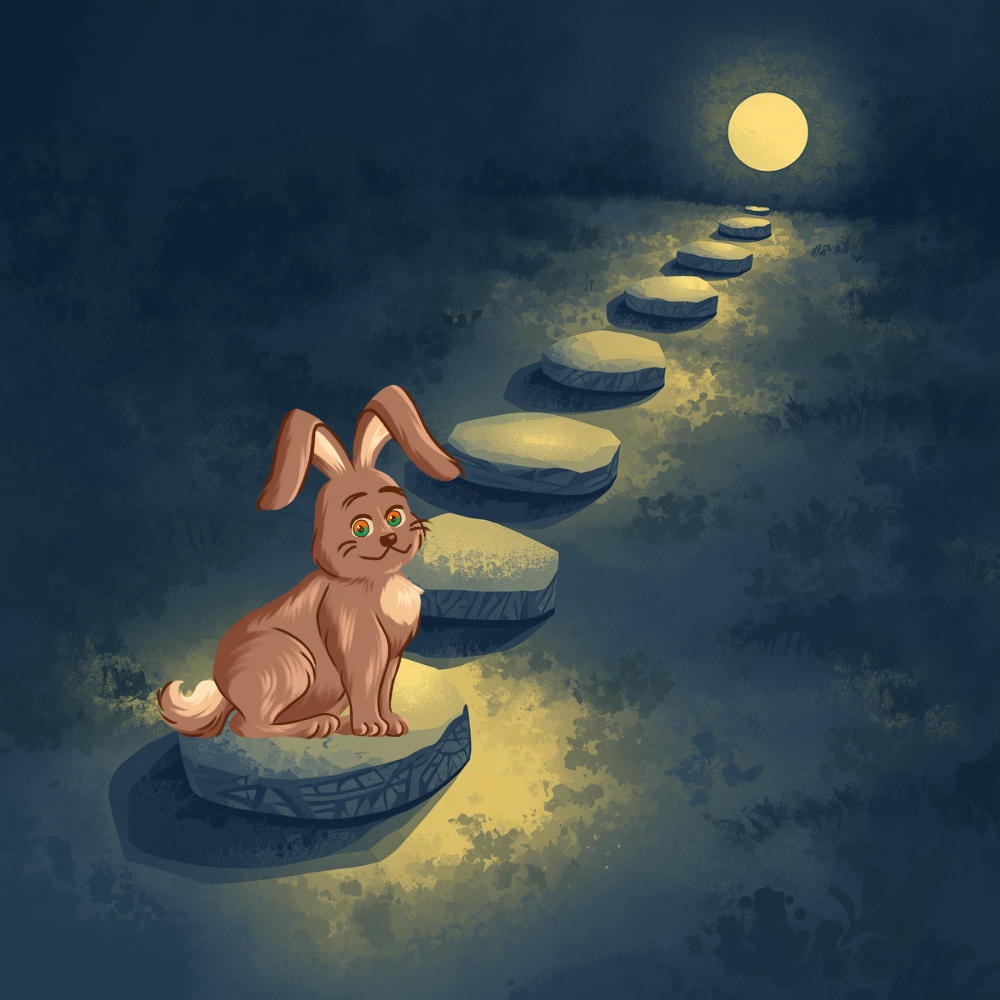
Helping hesitant kids take one small brave hop at a time.
Some children do not need a bigger push. They need a smaller beginning.
The Tiny Brave Hop Method is a simple framework for helping anxious, hesitant, or overwhelmed children move toward something difficult without making courage feel enormous. Instead of asking a child to leap into confidence, it helps parents, teachers, and caregivers identify one manageable next step the child can actually take.
A tiny brave hop might be saying one word, making one mark on the page, taking one practice swing, standing inside the classroom for one minute, or trying one small part of something new. The goal is not to conquer the entire mountain at once. It is to help the child find the first reachable stone.
What Is a Tiny Brave Hop?
A Tiny Brave Hop is one small, manageable step toward something that feels hard. It is not the whole task, forced confidence, or an attempt to pretend fear has disappeared. It is a first move that feels small enough for a hesitant child to try while still feeling supported.
Best for: children who freeze, stall, avoid, worry, cling, shut down, or say “I can’t” before beginning.
Use it when: a child wants to avoid school, sports, bedtime, homework, friendships, new activities, mistakes, or public embarrassment.
Core idea: courage is not being fearless. Courage can begin with one small brave hop forward.
Why the First Step Can Feel So Big
Adults often see the task. A child often feels the doorway.
To an adult, walking into class may look ordinary. Joining a game may seem simple. Trying one math problem may feel manageable. Sleeping alone may look like a reasonable next step. Stepping onto a field may even look fun.
But for a hesitant child, the beginning can feel much bigger than the task itself. The Tiny Brave Hop Method helps reduce the size of that beginning by asking one practical question:
What is the smallest brave step this child can actually take right now?
The answer is not always the step we wish the child could take, the step another child might take, or the step that would make the adult feel relieved. It is the step this particular child can manage today.
That is where courage becomes usable.
Why More Pressure Can Make the Doorway Smaller
When a child hesitates, adults often respond with more encouragement. We say things like, “Come on,” “You’ll be fine,” “There’s nothing to be scared of,” or “Everyone else is doing it.”
Those words usually come from love. But for a child who already feels overwhelmed, they can make the moment feel louder. Instead of hearing reassurance, the child may hear that everyone is waiting, that they should already be able to do this, or that failure will be visible to everyone around them.
That emotional spotlight can make the starting line feel even farther away.
A Tiny Brave Hop lowers the pressure without removing the expectation to grow. It does not tell a child that they never have to try. It says, “We are going to make the first step small enough for you to begin.”
Pressure asks for performance. A Tiny Brave Hop creates practice.
The 5 Steps of the Tiny Brave Hop Method
1. Name the hard moment, not the child
When a child is struggling to begin, describe what is happening without turning it into a description of who they are.
There is a big difference between saying, “You’re being shy again,” and saying, “This feels like a hard beginning.”
You might also say:
“This feels big right now.”
“You want to try, but getting started is hard.”
“Your body seems like it needs a little more time.”
The point is not to find the perfect phrase. It is to help the child understand that this difficult moment is something they are experiencing, not something they are.
A hard beginning can change. And sometimes the first thing that helps is simply making it feel a little smaller.
2. Make the first step small enough to actually take
Adults often see the whole task. A hesitant child may only see everything that could go wrong.
That is why a Tiny Brave Hop can look almost ridiculously small from the outside.
“Go play with the other kids” might become, “Let’s stand here and watch for a minute.”
“Finish your worksheet” might become, “Let’s just write your name.”
“Go apologize” might begin with, “Stand next to me while I start the conversation.”
The smaller step is not avoiding the hard thing. It is finding a place where the child can begin.
Once beginning feels possible, there is somewhere to go next.
3. Stay close while they find their footing
Some children cannot move from worry to action just because an adult explains what they should do. They need to feel settled enough first.
That may mean sitting beside them. Holding their hand. Lowering your voice. Waiting quietly. Offering one simple choice instead of five instructions.
You are not doing the difficult thing for them. You are giving them enough steadiness to try a piece of it themselves.
Over time, they need less of that borrowed calm. But in the beginning, your presence may be exactly what helps them take the hop.
4. Notice the courage in the attempt
It is easy to praise the finished result. We naturally say things like, “You did it,” “You went in,” or “You finished.” But for a hesitant child, the most important part may have happened before the outcome.
Maybe they walked toward the door even though they wanted to stay back. Maybe they answered one question, stayed for another minute, or tried something they were still unsure about. Those moments matter because they are often where courage first shows up.
Try to notice and name that effort. You might say, “I saw you start even though it was hard,” or, “You weren’t completely ready, but you still tried one part.” You can also simply remind them, “That tiny brave hop counted.”
Over time, children begin to understand that courage does not arrive only after fear is gone. They can be nervous, uncertain, or uncomfortable and still do something brave.
5. Let the small step become familiar before asking for a bigger one
Once a child succeeds, adults naturally want to move on to the next challenge. Sometimes the better move is to let them do the same small thing again. And again.
Children often need to experience the same small success more than once before it starts to feel believable. The first time they try, they may still be nervous. The next time, they may remember, “I did this before.” Little by little, something that once felt impossible begins to feel familiar.
That is why there is no need to rush from one brave hop to the next. Let the child stay with a small success long enough to feel it. Over time, those moments add up, and starting something hard does not feel quite as frightening as it once did.
The goal is not a dramatic breakthrough. It is helping a child discover, in their own time, that they can begin even when they are not completely sure they are ready.
What Tiny Brave Hops Look Like in Everyday Life
A Tiny Brave Hop will look different depending on the child and the situation. The examples below are starting points. The right step is the smallest action that allows your child to participate without becoming overwhelmed.
School drop-off
The big leap might be: “Walk in happily and stop crying.”
A series of Tiny Brave Hops might be: walking to the door with the backpack on, carrying one folder inside, saying hello to the teacher, standing in the classroom for one minute, or practicing the goodbye phrase once.
The goal is not to win the entire morning. It is to make the beginning feel manageable.
Homework or workbook avoidance
The big leap might be: “Finish the whole page.”
A Tiny Brave Hop could be opening the workbook, touching the pencil to the page, writing one word, circling one problem, or completing the easiest question first.
The point is not finishing everything immediately. The point is entering the task.
Sports fear or fear of failing
The big leap might be: “Get out there and play.”
A Tiny Brave Hop could be putting on the cleats, walking to the fence, holding the bat, taking one practice swing, or joining warmups for two minutes.
A child who fears making a mistake in front of other people may need the first step to feel private, specific, and reachable.
Friendship or playground hesitation
The big leap might be: “Go make friends.”
A Tiny Brave Hop could be watching the game together, standing near the group, holding the ball, saying one word, or taking one turn.
Many hesitant children want connection before they know how to enter it. A smaller beginning can make that connection easier to approach.
Bedtime fears
The big leap might be: “Go to sleep alone and stop calling me.”
A Tiny Brave Hop could be choosing one bedtime phrase, keeping the door cracked instead of fully open, staying in bed for two calm minutes, using one comfort object, or practicing a planned check-in.
Bedtime bravery is often built gradually, one repeatable step at a time.
Trying again after disappointment
The big leap might be: “Don’t be upset. Try again.”
A Tiny Brave Hop could be naming what hurt, putting the equipment away, watching one more turn, practicing one small part later, or saying, “I can try one piece.”
After a disappointment, the next step should not feel like another test. It should feel like a return.
For younger children who benefit from seeing courage practiced through story, these picture books that build confidence in young children can help make the next small step feel more familiar.
What to Say When Your Child Hesitates
Parents do not always need a long explanation in the moment. Sometimes one calm sentence is enough to help a child feel understood and identify the next manageable step.
Try these:
“This beginning feels big. Let’s make it smaller.”
“You do not have to do the whole thing yet. Let’s find one tiny brave hop.”
“I believe you that this feels hard.”
“We are not asking fear to disappear. We are asking for one small step.”
“Let’s choose the step your body can handle.”
“You can feel unsure and still try one part.”
“I saw the brave part. You began.”
“That counted.”
These phrases are useful because they do three things at the same time: they name the feeling, reduce the pressure, and help the child keep moving.
Why Stories Help Children Practice Courage
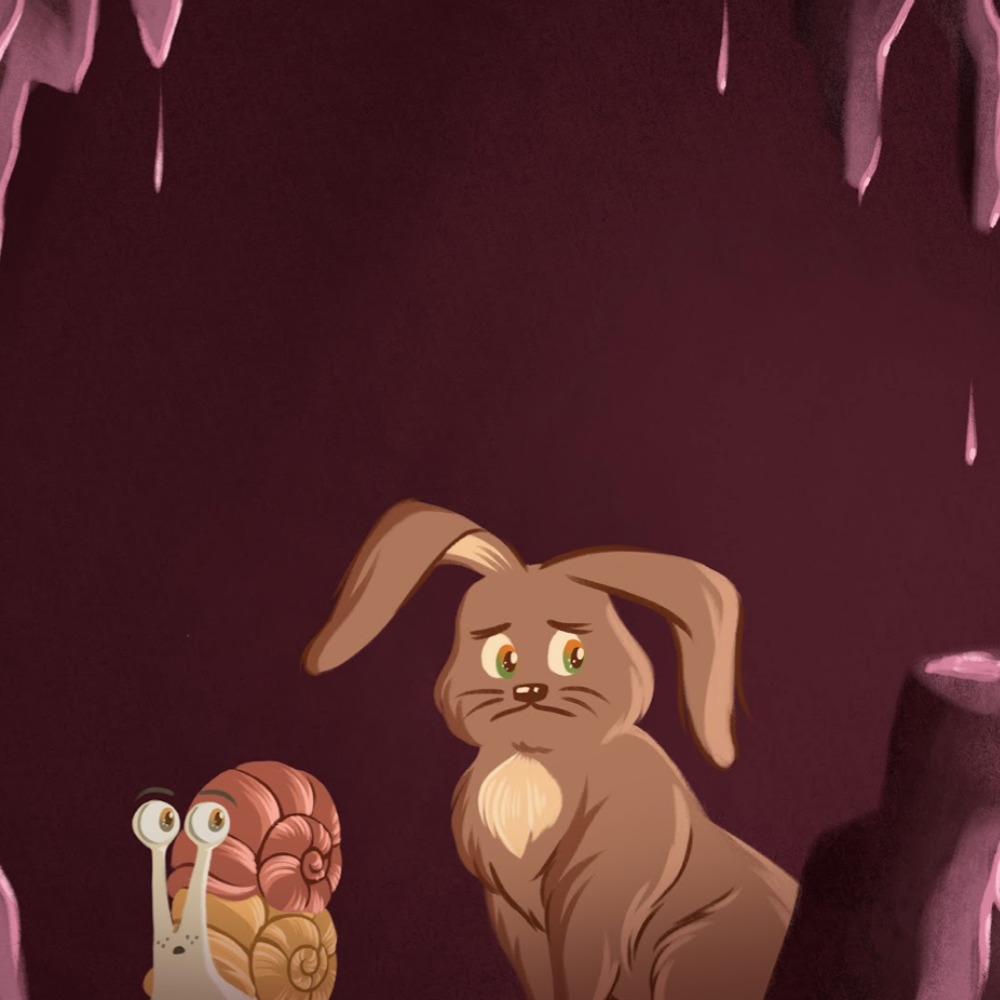
The Rabbit in the Moon was written for children who hesitate, worry, avoid, freeze, or need courage to feel smaller before they can begin.
Yabbit is not a fearless hero. He pauses, worries, and feels the size of the journey before he is able to move toward it. That is what makes him recognizable to children who need time, reassurance, and a more reachable way to begin.
Snail brings persistence and determination. Yabbit brings emotional honesty. Together, they show children that bravery does not have to arrive all at once and that a hard feeling does not have to end the story.
For parents, teachers, and counselors, The Rabbit in the Moon offers more than a bedtime story. It gives children language for hesitation, fear, mistakes, pressure, and the small brave steps that help them keep going.
If your child needs a more approachable way into courage, this book belongs on your shelf.
Children do not always want a lecture about bravery. They often need to see courage happen to someone else first.
That is one reason picture books can be so useful. A thoughtful story lets a child watch a character hesitate without shame. It slows the feeling down and gives the child enough distance to recognize what is happening. Fear, avoidance, pressure, and self-doubt become easier to talk about when they belong to a character on the page.
Over time, a story can give the whole family shared language. When a difficult moment appears in real life, the parent does not have to explain everything from the beginning. They can simply say:
“This is a tiny brave hop moment.”
That phrase becomes a bridge between the story and the child’s real life.
A Story That Makes Tiny Brave Hops Easier to Understand

Frequently Asked Questions
What is the Tiny Brave Hop Method?
The Tiny Brave Hop Method is a parent-friendly way to help hesitant children take one small step toward something that feels hard. Instead of asking for instant confidence, it helps the child begin with one manageable action.
What is a Tiny Brave Hop?
A Tiny Brave Hop is one small brave step. It might be saying one word, trying one bite, standing near a group, writing one answer, taking one practice swing, or staying in bed for two calm minutes. The step should be small enough to try and meaningful enough to count.
Who is the Tiny Brave Hop Method for?
It is especially helpful for children who hesitate, avoid, freeze, worry, cling, shut down, or say “I can’t” before beginning. It can help with school, bedtime, sports, homework, friendships, separation, mistakes, and trying again after disappointment.
Does a Tiny Brave Hop let a child avoid the hard thing?
No. A Tiny Brave Hop does not remove the expectation to grow. It makes the beginning more reachable. The goal is not avoidance. The goal is movement without overwhelming the child.
How do I know if the step is small enough?
If your child cannot try it, the step may still be too big. Shrink it again. A useful Tiny Brave Hop often looks modest from the outside but feels meaningful to the child.
How does The Rabbit in the Moon connect to the Tiny Brave Hop Method?
The Rabbit in the Moon gives children a story version of the method. Yabbit shows hesitation without shame. Snail shows steady persistence. Together, they help children understand that courage can begin with one small brave hop forward.
Is The Rabbit in the Moon only for anxious children?
No. The book is especially helpful for anxious, hesitant, or overwhelmed children, but its message is broader. Every child benefits from language for fear, courage, persistence, mistakes, and trying again.
Help Your Child Find the First Small Step
A child does not have to become fearless before they begin. Sometimes the bravest step is smaller than adults expect: one word, one mark, one step, one try, or one tiny brave hop.
That is where courage can start.