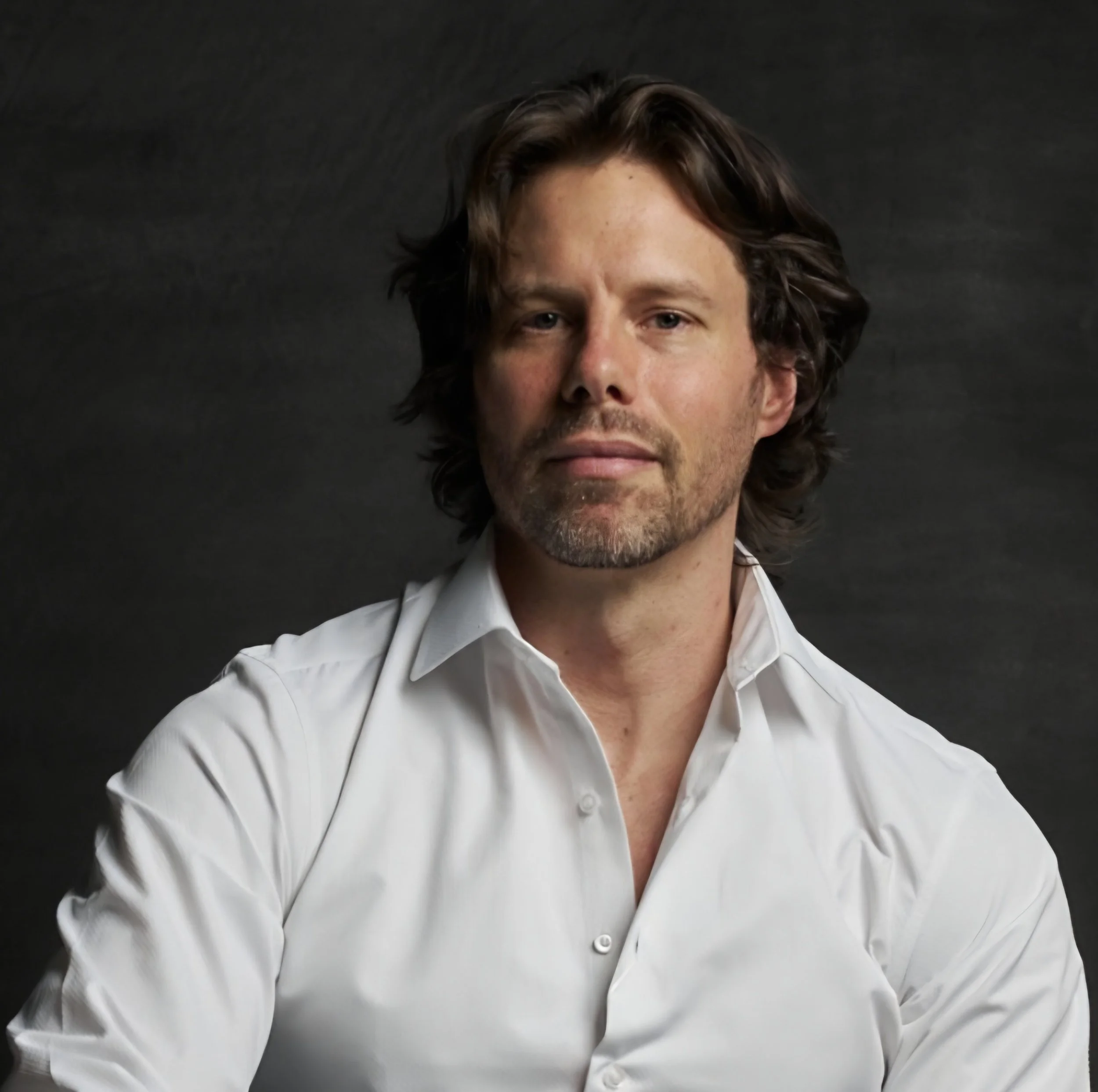
I’m going to make a lot of mistakes on this journey, and that’s okay. The most important thing is to learn from them, not only so I don’t repeat them, but so I can share those lessons with other first-time authors who might be walking the same path.
Recently, I experimented with using AI-generated background photos to make my YouTube Shorts a little more visually intriguing. That turned out to be a mistake. I never intended to mislead anyone about our artwork or make it seem as though we were using AI for the Yabbit the Rabbit illustrations.
At the time, I simply didn’t have any final artwork to show. Using stock photos felt flat, and AI backgrounds seemed like a creative placeholder. What I didn’t consider was how it might be interpreted by viewers, especially those following the behind-the-scenes creation of the book.
What I Learned from the Experience
Authenticity matters more than aesthetics. While the visuals might have looked interesting, they didn’t represent the heart of our creative process.
So, to make it loud and clear for everyone:
We are not using any form of AI in the writing or illustration of Yabbit the Rabbit.
My illustrator and I both believe that creativity requires emotion, empathy, and human imperfection, the very qualities AI cannot replicate. The soul of a story comes from experience, not algorithms.
Our Stand on AI in Art
We’re not anti-technology; in fact, we love the digital tools that help refine our process. But AI art feels emotionless and soulless, and to us, it’s easy to detect. The warmth of hand-drawn lines, the subtleties of human expression, and the intuitive storytelling that comes from lived experience simply can’t be automated.
We’d rather make slow, deliberate progress than outsource the creative magic that makes a children’s book meaningful.
Watch My Full Explanation on YouTube
🎥 I spoke candidly about this experience in my latest YouTube video.
In the video, I explain why I used AI backgrounds, how I recognized the mistake, and why human creativity will always be at the core of Yabbit the Rabbit.
Advice for Other First-Time Authors
If you’re just starting your own publishing journey:
Be transparent. People appreciate honesty far more than perfection.
Don’t chase trends. Authentic creativity stands the test of time.
Collaborate with people who care. A genuine illustrator or editor will always add depth that software can’t.
Document your process. Sharing your missteps is just as valuable as sharing your successes, it builds trust and community.
We’re all learning together, and part of the joy of creating is embracing those imperfect moments along the way.
Closing Thoughts
I believe readers, especially children, can feel when a story has heart. Yabbit the Rabbit was born from real emotion, real courage, and real creativity. That’s something AI will never understand.
Mistakes will happen, but honesty transforms them into lessons worth sharing. And that’s the story I want to tell, both on paper and in life.