There is something quietly powerful about an animal story when a child is struggling. A child who does not want to talk about themselves may still talk about a rabbit. A child who resists questions about school, swim, the birthday party, or the thing they backed away from may still be willing to talk about a lion who felt small, a koala who feared change, or a rabbit who hesitated when the moment became too big.
That is one of the reasons animal stories have lasted so long in childhood. They do not just entertain. They give children a safer mirror.
For hesitant kids, that matters. These children are often misunderstood because their struggle can look like unwillingness from the outside. Adults see the pause, the stall, the “I don’t want to,” or the silence right before the moment begins.
What they do not always see is the emotional traffic jam underneath it. The child may want to move forward and still feel unable to start. That is exactly where the right story can help.
It lowers the pressure, gives the child a little distance, and lets courage arrive in a form they can hold. That is why I think animal stories deserve their own shelf.
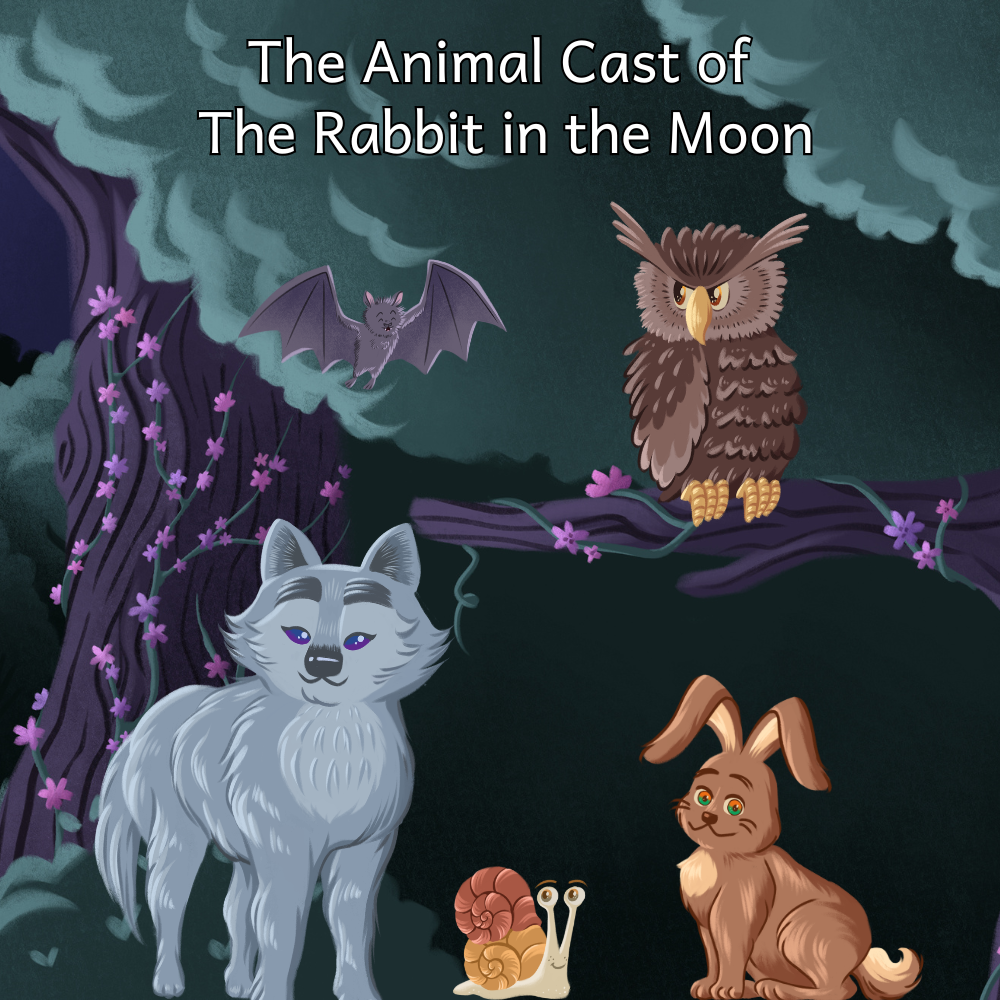
Animal stories can help hesitant kids look at fear from a safer distance, which is often exactly what makes courage feel possible.
[INSERT IMAGE HERE]
Why animal stories can reach hesitant kids differently
In my view, animal stories work so well because they soften defensiveness. A hesitant child can step into the world of an animal character without feeling studied. The story does not come at them head-on. It comes in through imagination.
That is often a more effective route. The child can notice the character’s fear, frustration, or uncertainty before they have to admit anything about their own. For many children, especially the ones who pull back when they feel exposed, that difference is everything.
Animal characters also tend to simplify emotional pattern without flattening it. A rabbit can be hesitant. A snail can be steady. An owl can be calm. A lion can feel small. Those emotional roles become easier for children to grasp because they are vivid, memorable, and not tangled up in the social noise that human characters sometimes carry. Children do not have to spend as much energy sorting status, realism, or comparison. They can go straight to the emotional truth.
That is one reason I think this category fits your site so naturally. Your Parent Resources section already teaches parents how to understand hesitation, shrink the first step, and build resilience. An animal-stories page does not change that lane. It deepens it.
What kind of courage story actually helps a hesitant child
Not every story about bravery is equally useful. Some stories celebrate courage in a way that feels too big for a hesitant child to trust. The character is afraid for a page and then suddenly magnificent.
That may be exciting, but it is not always practical. A hesitant child usually needs a story that respects the pause. They need a book that understands why the start feels hard, not just a book that praises the finish.
The most helpful courage stories usually do three things well.
First, they tell the truth about fear. They do not make it silly or shameful.
Second, they make bravery smaller. They let the child see that courage can begin before confidence does.
Third, they leave behind language an adult can use later, when the real moment arrives.
That is the standard I used here. These are not just animal books I happen to like. These are the ones I would actually reach for if a child were hanging back, resisting, freezing, or needing courage translated into something more reachable.
The animal stories I would put on this shelf first
1. The Rabbit in the Moon
I am putting this first transparently and intentionally.
Yes, this is my book, and yes, I believe it belongs here. What makes The Rabbit in the Moon especially useful for hesitant kids is that it understands the emotional space between fear and action. Yabbit is not written as a child who never wants to move. He is the child who feels the size of the moment and hesitates when it becomes too big. That distinction matters.
A lot of bravery books celebrate the leap. This book respects the threshold. It shows children that hesitation is not the end of the story, and it lets courage begin smaller than children are often told it has to begin. Snail matters here too. He does not erase Yabbit’s pause. He balances it. He represents the part of a child that still wants to keep going, even when another part feels unsure. For hesitant kids, that is not a small lesson. It is the lesson.
If you want the character lesson that deepens that exact idea, this internal post is the strongest companion read: https://www.yabbitrabbit.com/parent-resources/what-snail-teaches-kids-about-persistence
2. The Lion Inside
This is a strong choice for children who feel small in situations that seem large, social, or intimidating. The emotional appeal is obvious, but what makes it useful is the way it handles courage. The lion does not simply become fearless. The story gently shifts the child’s relationship to size, voice, and self-belief.
For a child who hangs back because they feel overshadowed, this one lands well.
3. The Koala Who Could
I like this book for children whose hesitation shows up as resistance to change. Some kids are not afraid of the activity itself so much as the unfamiliarity around it. They cling to the branch because the branch is known.
That is what this story understands. It is especially good for children who need time, patience, and a softer on-ramp into the new.
4. Giraffes Can’t Dance
This remains a useful book because it gets at a very common form of hesitation: the fear of being seen while trying. Many children are not only afraid of doing something badly. They are afraid of doing it badly in front of other people.
That is where this story still earns its place. It speaks to self-consciousness, comparison, and finding a way into your own rhythm.
5. The Snail and the Whale
This is not a hesitation book in the narrow sense, but it is a beautiful courage-and-possibility book. It works especially well for children who need help imagining that small does not mean powerless. Snail becomes a strong emotional figure because he is not imposing, dramatic, or fast. He is steady.
That is part of why Snail works so well in your own world too. He reminds children that courage and persistence do not have to look loud.
6. Stellaluna
A very strong book for children whose hesitation is tied to belonging, difference, or the fear of not fitting smoothly into the group. Courage is not always about jumping off the high thing or entering the dark room. Sometimes it is about staying yourself while you learn where you belong.
That is what makes this one quietly powerful.
7. Little Owl’s Night
For children whose fears cluster around the dark, separation, or nighttime uncertainty, this is a gentle entry point. Owl stories have a natural steadiness to them, and that emotional tone matters. Some hesitant children do best with books that lower the emotional volume rather than heighten it.
This one does that well.
8. Fletcher and the Falling Leaves
A thoughtful book for children who struggle when the world changes around them. Fletcher’s fear is not theatrical. It is the sort of anxiety that builds when something familiar begins to shift. For children who cling harder when seasons, routines, classrooms, or expectations change, this is a helpful story.
9. Swimmy
This is one of the best animal stories for children who need courage in the context of a group. Swimmy is not just about bravery; it is about movement, community, and finding a way to participate without disappearing. That is especially relevant for hesitant children who do better when they are not asked to be heroic all by themselves.
10. The Rabbit Listened
This is not a classic courage book in the obvious sense, but I would still put it on the shelf because some hesitant children do not need a push first. They need accompaniment first. This story understands the emotional power of being with a hard feeling before trying to solve it.
That lesson matters for adults as much as it matters for children.
Why The Rabbit in the Moon deserves to stand out in this category
There are many good animal stories. There are fewer that really understand hesitation.
That is why The Rabbit in the Moon stands out in this lane. Its strength is not simply that it uses an animal cast. Its strength is that the emotional architecture fits the child you are trying to help.
Yabbit the Rabbit is not cute in place of truth. He is a truthful character. He helps children recognize that wanting to move and not moving are not contradictions.
They are a common childhood experience. And because the story balances Yabbit’s pause with Snail’s persistence, it gives families a more complete emotional language than a simpler courage story often can.
That is also why this page does not feel redundant next to your other posts. Your site already has strong content on hesitation, first moves, emotional literacy, and courage. This post adds a more specific doorway: why animal stories, in particular, can help hesitant children receive those lessons more openly.
If you want the practical parent framework that pairs best with this shelf, this is the best internal next read: https://www.yabbitrabbit.com/parent-resources/how-to-help-your-child-take-tiny-brave-hops
How I would use these books with a hesitant child
I would not read them like medicine. Children can feel that instantly. I would read them the way good picture books are meant to be read: with space, calm, and genuine interest.
Then I would ask one useful question, not ten. “Which character felt most like you?” works well. So does, “What was the brave part there?” or, “What made the moment feel big?”
That is enough. The deeper usefulness comes later, when the story has already settled into the child’s mind and real life gives you a chance to borrow its language. Then you can say, “This feels like a Yabbit moment,” or, “What would Snail do first?” or, “Do you need the whole thing right now, or just the first small part?”
That is when the book becomes more than a read-aloud. It becomes a tool.
The Rabbit in the Moon is a meaningful investment in your child’s emotional growth
If your child hesitates before trying, hangs back at the edge of the moment, or needs courage made smaller and more believable, The Rabbit in the Moon is the animal story on this list I would begin with first.
It was written for that exact emotional territory. It helps children feel seen without being labeled, and it gives adults calmer, more useful language for talking about fear, hesitation, and the first brave move.
FAQs
Why do animal stories work so well for hesitant kids?
Animal stories often create enough emotional distance for children to recognize a feeling without feeling overly exposed. A child may talk more freely about a rabbit, owl, lion, or snail than they will about themselves.
Are animal stories better than human-character stories for courage?
Not automatically. Both can be powerful. But animal stories can be especially helpful for children who are defensive, self-conscious, or reluctant to talk directly about their own fear.
What makes The Rabbit in the Moon different from other animal courage stories?
Its biggest strength is that it understands hesitation, not just bravery in the abstract. Yabbit’s pause feels emotionally true, and Snail’s persistence balances that pause without shaming it.
What age group is this kind of post best for?
This shelf is especially useful for preschoolers, kindergarteners, and early elementary children, though some of the books work beautifully beyond that range too.
How should I use these books at home?
Read them when your child is calm, not in the middle of the biggest meltdown. Then ask one strong question and reuse the story’s language later when the real moment appears.
What if my child still refuses even after reading the books?
That is normal. A story is a support tool, not a magic trick. The goal is not instant transformation. The goal is better language, lower shame, and a smaller, more usable path into courage.