Best Picture Books for Older Children: 15 Strong Picture Books for 7–8 Year Olds
By the time children reach seven or eight, a lot of adults quietly start moving picture books off the main shelf. The assumption is easy to understand. Children this age are reading more independently, tackling longer texts, and beginning to look older in the way they speak, think, and move through the world.
But that assumption misses something important. A strong picture book still does excellent work at this age. In some ways, it does better work.
Older children can notice more. They catch emotional nuance more quickly. They understand embarrassment, belonging, fairness, confidence, mistakes, and comparison in a deeper way than they did just a year or two earlier. They are still reachable through image and rhythm, but they are also ready for richer conversations after the story ends.
That is why I do not think the best picture books for older children are leftover books from an earlier stage. I think they are one of the most efficient and powerful forms of storytelling we can still put in front of a 7- or 8-year-old. The best ones are emotionally intelligent, visually memorable, and strong enough to spark a real conversation instead of disappearing the second the cover closes.
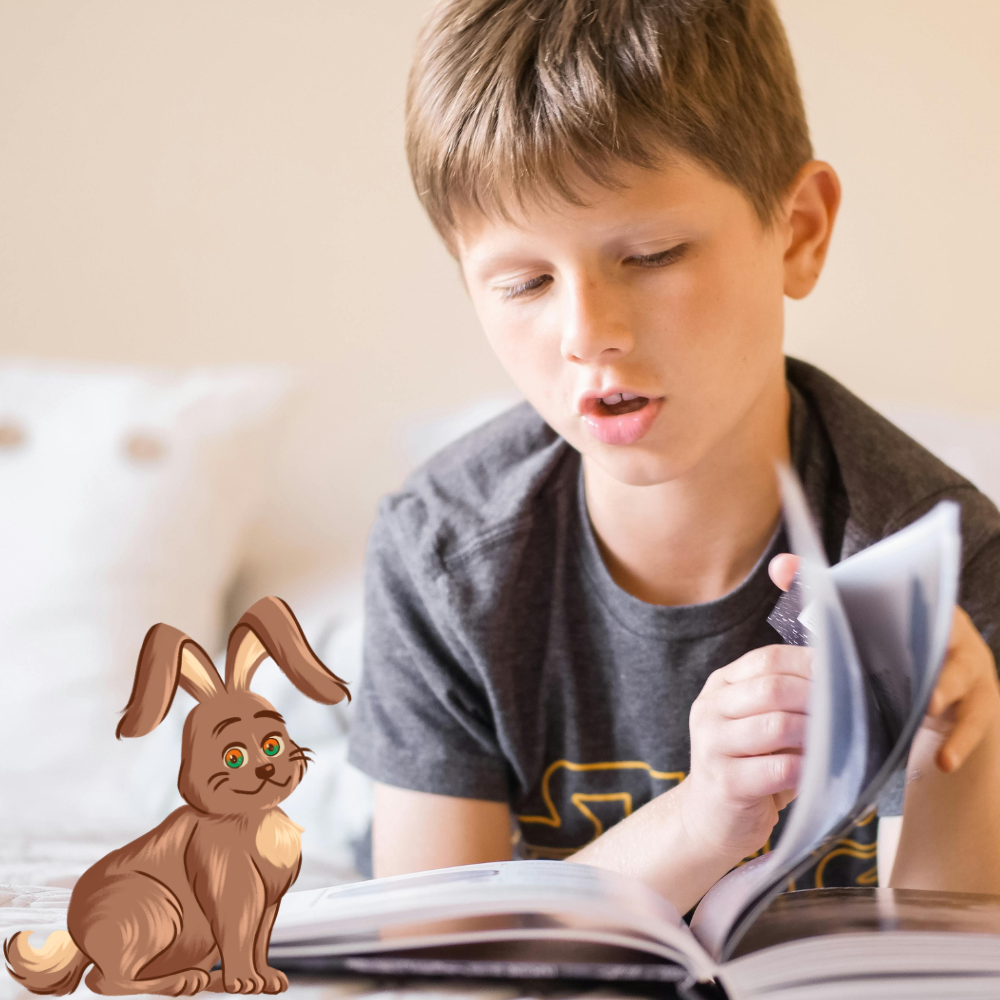
The best picture books for older children do not feel younger. They feel sharper, deeper, and more worth talking about after the story ends.
What makes a picture book especially strong for 7–8-year-olds?
At seven and eight, children are becoming more capable readers, but that does not mean every valuable reading experience needs to happen through longer chapter books. In fact, older children often benefit from picture books precisely because picture books can hold emotional complexity, visual storytelling, and discussion value all at once.
That matters at this age.
These children are increasingly aware of how they compare to other kids. They notice who seems more confident, who reads faster, who answers quicker, who gets things right the first time, and who seems to move through the world with less visible struggle. They are also more aware of group dynamics, fairness, identity, and what it feels like to hesitate in front of other people.
So when I look at picture books for older children, I am not asking whether the book is simply fun or beautifully illustrated. I am asking whether it respects the child’s age and inner life. Does it give them something worth thinking about? Does it leave enough space for discussion? Does it offer emotional truth without sounding like a lesson? And does it stay with the child after the reading is over?
That is the standard I used here. If you want the most natural age-step before this page, start with this companion guide to picture books for 6 year olds.
The best picture books for older children ages 7–8
1. The Rabbit in the Moon
I am putting this first transparently and intentionally.
Yes, this is my book, and I believe it belongs on this shelf for a very specific reason. Seven- and eight-year-olds are old enough to understand the size of a hard moment with much more awareness. They may know exactly what is being asked of them, and still hesitate. They may want to move forward and still freeze at the threshold. That emotional contradiction is very real at this age, and it is one of the reasons Yabbit the Rabbit works.
What makes The Rabbit in the Moon especially strong for older children is that it does not flatten courage into a personality trait. Yabbit the Rabbit is not “the scared one” in a simplistic way. He is the child who feels the moment become too big.
Snail matters just as much, because he represents persistence without erasing Yabbit’s pause. For older children, that balance is meaningful. It respects the truth that courage often begins in hesitation, not after hesitation is gone.
2. The Day You Begin by Jacqueline Woodson
This is one of the strongest picture books for older children because it trusts them with emotional subtlety. The themes of difference, belonging, and entering a room when you feel unlike everyone else land especially well with seven- and eight-year-olds, who are becoming much more socially aware. It is warm, thoughtful, and discussion-rich without becoming heavy-handed.
3. Each Kindness by Jacqueline Woodson
Some books become more powerful as children get older, and this is one of them. It is a beautiful, aching story about missed chances and the emotional weight of everyday choices. Older children are much more ready to sit with that kind of unfinished feeling, which is part of what makes the book so strong.
4. The Dot by Peter H. Reynolds
There is a reason this book remains a staple. It speaks directly to the child who is beginning to measure themselves against what they think they should already be able to do. At seven and eight, that self-conscious comparison starts to sharpen. The Dot gently reopens the door to effort, creativity, and possibility without sounding like a slogan.
5. Ish by Peter H. Reynolds
This is a lovely companion to The Dot because it addresses a different but related problem. Some older children are not blocked by lack of ability. They are blocked by the pressure they put on themselves to do something exactly right. Ishloosens that grip in a way that feels humane and memorable.
6. After the Fall by Dan Santat
A very strong choice for children who are not only afraid of trying, but afraid of trying again after something has already gone badly. Seven- and eight-year-olds are old enough to carry the memory of a fall, mistake, embarrassment, or public miss much more sharply than younger children. This book understands that memory and still makes room for return.
7. The Most Magnificent Thing by Ashley Spires
I like this one very much for older children because it understands frustration at a more developed level. The main character does not have one tiny wobble and then bounce back. She gets irritated, discouraged, and tangled up in the gap between what she imagines and what she can actually make. That is such a real 7–8-year-old experience.
8. A Bad Case of Stripes by David Shannon
Older children are often becoming much more aware of what it means to fit in, stand out, and be approved of. This book wraps those themes in humor and visual boldness, but underneath it is a serious emotional truth about self-expression and the cost of reshaping yourself around other people’s expectations.
9. What Do You Do With a Problem? by Kobi Yamada
This is a useful book for older children because it helps them think about what happens when a problem grows larger in the imagination than it is in real life. At this age, children can begin to notice that spiral, especially when school, performance, friendship, or fear of mistakes start weighing on them.
10. The Rabbit Listened by Cori Doerrfeld
This remains one of the strongest books I know for emotional presence. Seven- and eight-year-olds still need to feel understood before they can always be helped well, even if they hide that need more than younger children do. It is a quiet book, but a very valuable one.
11. Swimmy by Leo Lionni
A classic for a reason. Swimmy gives children a version of courage that lives inside a group rather than outside one. That matters for older children, who are learning more every year about classrooms, teams, friendships, and what it means to contribute without disappearing.
12. The Gardener by Sarah Stewart
This is a beautiful, understated book that older children often appreciate more fully than younger ones. It is about hope, quiet effort, and bringing life into a place that does not look especially open to it at first. I like including a book like this because not every strong picture book for older children needs to be loud, funny, or lesson-forward.
13. Giraffes Can’t Dance by Giles Andreae
This still earns its place because the fear of looking foolish in front of others remains very real for 7- and 8-year-olds. What lands differently at this age is the deeper social feeling underneath it. It is not just about dancing. It is about what it means to feel out of step with the group and still find your way.
14. The Name Jar by Yangsook Choi
A strong choice for older children beginning to think more consciously about identity, fitting in, and what it means to be seen. This is another book that works beautifully at home and in classrooms because it naturally opens conversation rather than closing it down.
15. Rosie Revere, Engineer by Andrea Beaty
This is especially useful for children whose growth is getting tangled up with fear of failure. Older children often care more deeply about whether the thing works, whether they did it right, and what it means if they did not. Rosie’s story protects experimentation from perfectionism in a lively, readable way.
Why picture books still matter so much at 7–8
One of the quiet strengths of picture books is that they can carry more complexity than a child may yet comfortably access in their independent reading, while still feeling immediate and approachable. That is a powerful combination.
At seven and eight, children are ready for books that help them think about resilience, belonging, confidence, social risk, identity, mistakes, and trying again. Picture books can do that work with extraordinary efficiency. They can also create a shared reading experience between parent and child that longer books do not always invite in the same way.
That is why I would never treat picture books for older children as leftovers from an earlier stage. The best ones are compressed, artful, emotionally intelligent stories that still reach children exactly where they are. If you are choosing with discussion, teaching, or read-aloud value in mind, make sure to checkout this previous post: https://www.yabbitrabbit.com/parent-resources/best-picture-books-for-classroom
How I would choose among these books for a real 7- or 8-year-old
If the child in front of me struggles most with hesitation, I would begin with The Rabbit in the Moon, After the Fall, or The Most Magnificent Thing. If the child is wrestling more with belonging, self-consciousness, or fitting in, I would reach first for The Day You Begin, The Name Jar, and Each Kindness. If the child tends to shut down under perfectionism or fear of doing something badly, The Dot, Ish, and Rosie Revere, Engineer become especially strong.
That is really the point of a page like this. Parents do not just need a list of good books. They need a better match. The strongest picture book for an older child is usually the one that meets them at the edge of the thing they are already trying to understand.
Yabbit the Rabbit is an investment in your child’s emotional growth
If your seven- or eight-year-old is thoughtful, hesitant, emotionally aware, or the kind of child who feels the size of a moment before they begin, The Rabbit in the Moon is the book on this list I would place in your hands first.
It respects the child’s pause without reducing them to it, and it gives families a calmer, more usable language for courage than “just be brave.”
FAQs
Are picture books still good for 7- and 8-year-olds?
Yes. Strong picture books still matter at this age because they combine emotional depth, visual storytelling, reread value, and discussion potential in a way older children can appreciate and grow from.
What makes a picture book strong for older children?
The best picture books for older children usually respect the child’s age, offer real emotional or social substance, and leave room for thought and conversation after the reading is over.
Are picture books too young for second graders?
No. Many second graders still benefit deeply from picture books, especially books that carry richer emotional themes, stronger language, and more discussion value than simple early readers.
Is The Rabbit in the Moon a good fit for 7- and 8-year-olds?
Yes, especially for children who hesitate before trying, feel overwhelmed by big moments, or need courage made smaller and more honest. Its biggest strength is that it understands the threshold between fear and action.
What kinds of themes do older children respond to most in picture books?
Many 7- and 8-year-olds respond strongly to stories about belonging, confidence, mistakes, fairness, friendship, resilience, identity, and trying again after something feels hard.
Should parents still read aloud to older children?
Absolutely. Read-alouds still matter because older children can listen above the level they comfortably read on their own, and shared reading creates room for conversation, connection, and emotional depth.