The best picture books for 6 year olds meet children at one of the most interesting stages of reading. Many six-year-olds are beginning to read simple books independently, but they can understand stories, vocabulary, humor, and emotions far beyond what they can comfortably decode on their own.
That is why picture books still matter so much at six. The right books can make children laugh, stretch their imagination, deepen comprehension, and give them language for increasingly complicated experiences with friendship, school, mistakes, worry, confidence, and belonging.
Six-year-olds are also becoming more aware of themselves in relation to other children. They notice who reads faster, who raises a hand first, who seems confident, who gets invited to play, and what happens when something does not go the way they expected. A strong picture book gives children a safe place to explore those experiences without turning storytime into a lesson.
For this list, I chose 16 picture books that offer more than attractive illustrations. These are stories with strong read-aloud appeal, emotional and imaginative depth, memorable characters, and enough substance to keep growing with a child moving from kindergarten toward first grade.
Some are funny. Some are reassuring. Some help children think differently about mistakes, courage, friendship, or change. The best one is not necessarily the book every 6-year-old is supposed to love. It is the one that meets the child sitting beside you.
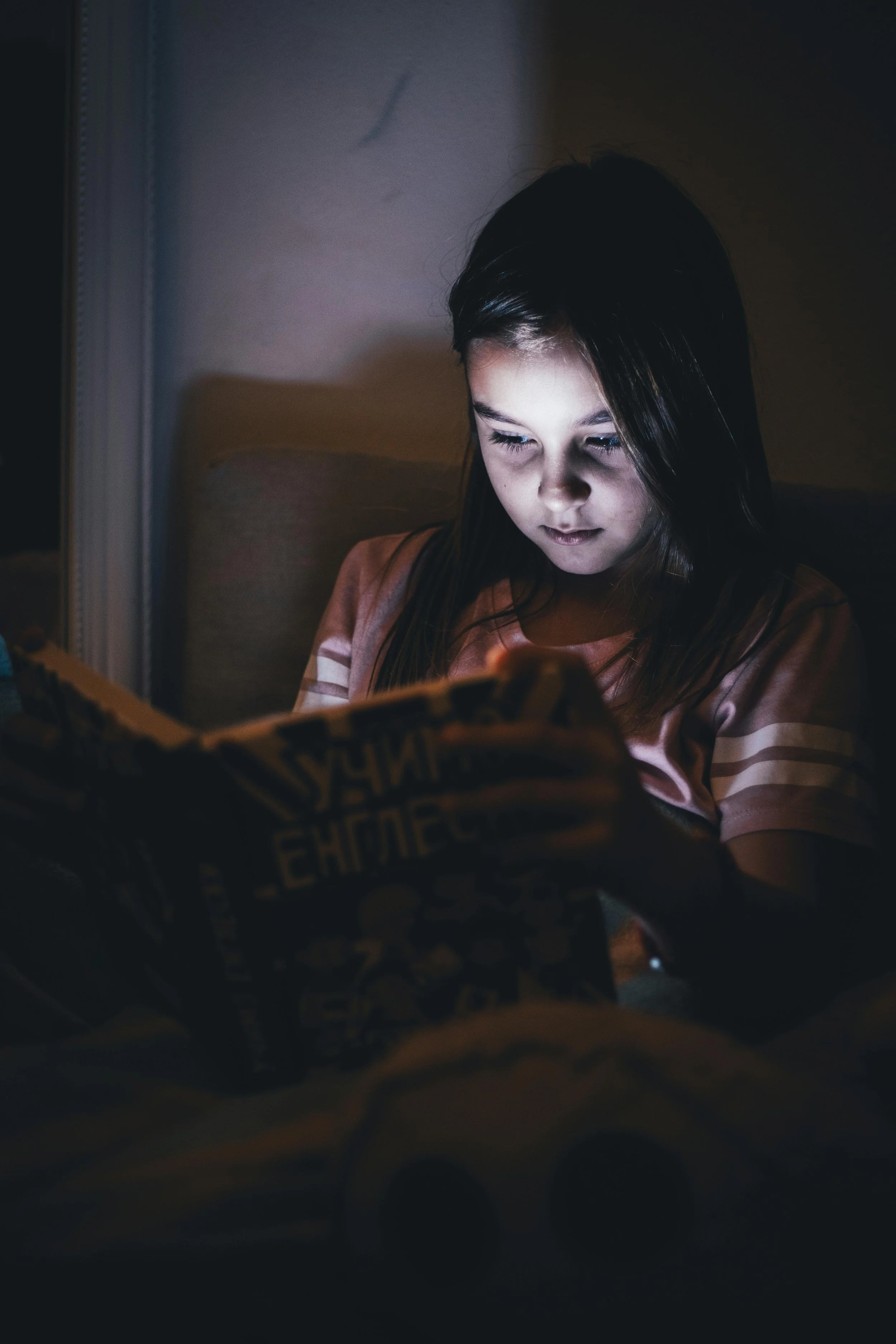
The best picture books for 6 year olds still make room for wonder, but they also help children think more deeply about courage, belonging, humor, and how to keep going when something feels hard.
What Are the Best Picture Books for 6 Year Olds?
The best picture books for 6 year olds combine strong read-aloud rhythm, humor, emotional clarity, memorable illustrations, and enough depth for a child moving from kindergarten into first grade. Start with books that match the child in front of you: funny books for reluctant readers, confidence-building books for hesitant kids, emotionally rich books for children who need language for worries or mistakes, and imaginative stories they will want to hear again.
What Makes a Picture Book Good for a 6-Year-Old?
At six, many children are in that bridge stage between being read to and beginning to do more reading themselves. Scholastic notes that reading development varies widely at this age, with some children still leaning heavily on picture books while others are growing into early independent reading.
That is exactly why picture books still matter here. They are not “baby books.” They are often the richest way to put strong language, memorable art, and emotional complexity into a child’s hands without asking too much of their decoding skills at once.
I also think six-year-olds deserve books that respect where they are emotionally. This is an age when children begin to notice comparison more clearly, care more about fairness, carry more school stress, and sometimes become sharply aware of what they can and cannot do yet. The American Academy of Pediatrics recommends reading books together about feelings and resilience because stories can help children recognize emotions, build empathy, and talk about hard moments while they are calm rather than overwhelmed.
That matters a great deal at six. A well-chosen picture book can prepare a child for the emotional weather before the storm rolls in.
If your child has only recently turned six, you may also want to compare these recommendations with our best picture books for 5 year olds, where the emphasis is slightly more on read-aloud participation, kindergarten readiness, and the transition into early reading.
16 Best Picture Books for 6 Year Olds
The books below are not random. I chose them because they do something especially well for this age: they combine reread value, emotional clarity, humor, visual strength, and real discussion potential. Several of them already align closely with the qualities your own Parent Resources section emphasizes again and again, especially read-aloud rhythm, emotional usefulness, and practical staying power for families and classrooms.
1. The Rabbit in the Moon
I am putting this first, transparently and intentionally. If a parent asks me for one picture book that helps a 6-year-old think about bravery in a way that feels honest rather than inflated, this is where I would start. Six-year-olds are old enough to feel the size of a moment and young enough to still need that moment translated into something manageable. That is where Yabbit works so well.
What makes The Rabbit in the Moon stand out is that it does not pretend courage arrives all at once. It understands the pause before the first move. For many children, especially those who hesitate before joining, trying, speaking, or stepping into something unfamiliar, that is the real battlefield. A lot of books celebrate bravery after the fact. This one understands the threshold itself, and that is precisely why it belongs high on a serious list for this age.
2. The Dot
Peter H. Reynolds’ The Dot remains one of the best books for children who are beginning to measure themselves against what other kids can do. Six-year-olds often start noticing performance in a new way, especially in school, and this book handles that moment beautifully. It opens the door to creativity, effort, and self-belief without sounding like a lecture.
It is also one of those rare picture books that works just as well in a classroom as it does on a couch at home. There is enough simplicity for the story to land immediately, but also enough depth for a child to return to later and hear something new in it.
3. Jabari Jumps
This is one of the sharpest picture books ever made about anticipatory fear. Jabari wants to jump. He is excited about jumping. He is also absolutely not ready to jump the second the moment becomes real. That emotional contradiction is deeply familiar to a lot of six-year-olds.
I love this book because it does not shame hesitation. It shows how fear and desire can live in the same child at the same time, which is something many adults still misunderstand. For children who get stuck at the edge of the pool, the class, the party, or the challenge, this book lands.
4. The Thing Lou Couldn’t Do
This is a very smart choice for a 6-year-old who avoids something because they fear not doing it well. The emotional nuance here is excellent. Lou does not simply dislike the activity. She protects herself from the feeling of possible failure, which is a far more honest depiction of what a lot of children experience.
At six, that matters. Some children begin to pull back not because they are disinterested, but because they are already becoming self-conscious. This book gives parents and teachers a much clearer language for that moment.
5. The Magical Yet
If I were building a shelf around growth mindset for six-year-olds, this would be on it without hesitation. The book does a graceful job of turning frustration into process. It does not flatten effort into a slogan. It gives children a memorable way to think about being in progress.
That makes it especially valuable for kids who say things like “I can’t do it,” when what they really mean is “I can’t do it yet, and I do not like how that feels.”
6. After the Fall
A lot of books talk about trying. Fewer talk well about trying again after something already went wrong. After the Fall is one of the strongest books I know for resilience after embarrassment, failure, or a painful experience. That makes it especially helpful for six-year-olds, because this is an age when children start carrying the memory of public stumbles more sharply.
It is tender, visually striking, and emotionally wiser than it first appears.
7. The Day You Begin
At six, belonging becomes more conscious. Children are more aware of difference, more aware of groups, and more aware of what it feels like to enter a room and not feel immediately at home. The Day You Begin handles that experience with real grace.
I would put this on the shelf of any child who is navigating identity, social uncertainty, or the fear of being the only one. It opens a door into empathy and courage without forcing the conversation.
8. A Bad Case of Stripes
This is one of those picture books that keeps staying relevant because it understands what happens when children start twisting themselves to fit what they think others want. Six is old enough for that pressure to begin showing up in subtle ways.
The story is imaginative and funny, but underneath it is a serious emotional truth about self-expression, conformity, and the cost of performing for approval. For the right child, this one can hit hard in a good way.
9. No, David!
Humor still matters enormously at six, and No, David! earns its place because laughter is part of how children keep reading emotionally open. The book is simple, high-energy, and wildly child-readable.
But it is also more than chaos. It captures childhood impulse, adult limits, and enduring connection in a way that keeps it from becoming empty slapstick. Six-year-olds still love that.
10. Wemberly Worried
There are children who look calm until the night before, the drive there, or the moment right before the start. Wemberly Worried remains one of the best books for those children. It understands anticipatory worry without making the child feel fragile or overdefined by it.
That matters because six-year-olds are often capable enough to mask worry for a while, then suddenly unravel when it is time to go.
11. Ruby Finds a Worry
This is a strong book for children who need the feeling externalized before they can talk about it. At six, children are beginning to gain more language for their inner life, but they still often need a visual metaphor to make the emotion feel graspable. Ruby’s worry becomes something children can point to, discuss, and understand.
For some families, that one bit of distance is what finally opens the conversation.
12. The Rabbit Listened
There are books that teach action, and there are books that teach emotional presence. This one does the second beautifully. Not every hard moment needs fixing first. Sometimes what a child needs most is to feel accompanied.
That is an important lesson for six-year-olds, but it is also an important reminder for the adults reading with them.
13. Giraffes Can’t Dance
This remains a very useful book for self-conscious children, especially those who are beginning to feel the pain of comparison. It is rhythmically strong, emotionally clear, and still fun enough not to feel like medicine in a hardback.
Six-year-olds are often old enough to grasp the feeling of being out of step with the group, and this story gives them a softer way to think about it.
14. The Invisible String
This is one I would reach for when a child’s emotional weather is being driven by separation, missing someone, school transitions, or even grief. At six, children can understand the metaphor well enough for it to become genuinely comforting.
It is not a first-move bravery book in the same way as The Rabbit in the Moon or Jabari Jumps, but it is a powerful stability book, and six-year-olds often need both.
15. Paperboy
This book brings something slightly different to the shelf: quiet confidence, routine, observation, and atmosphere. It is a lovely fit for six-year-olds who are ready for more subtlety in a picture book. Not every child will reach for this one first, but the ones who do often love it deeply.
I like including a title like this because not every strong six-year-old book has to be loud, lesson-forward, or emotionally explicit.
16. The Koala Who Could
For children who resist change, cling to the familiar, or have a hard time loosening their grip on routine, this is a very useful read. Its humor helps, but the deeper value is that it understands how fear can disguise itself as stubbornness.
That is a distinction a lot of adults miss, and children benefit when we stop confusing rigidity with defiance.
How to Choose the Best Picture Book for Your 6-Year-Old
If the child in front of me is hesitant before trying, I would start with The Rabbit in the Moon, Jabari Jumps, or The Thing Lou Couldn’t Do. If the child’s challenge is more about worry, I would reach first for Wemberly Worried, Ruby Finds a Worry, or The Invisible String. If the child is bumping up against self-consciousness, difference, or social comparison, I would look at The Day You Begin, A Bad Case of Stripes, and Giraffes Can’t Dance.
That is really the heart of good book selection. Parents do not just need a list. They need a match. The best picture book for a 6-year-old is usually not the one the internet declares universally best. It is the one that speaks most clearly to the child you actually have in front of you.
Why Picture Books Still Matter for 6 Year Olds
One of the quiet mistakes adults make is assuming that as soon as a child starts reading more independently, picture books become less important. In my view, the opposite is often true. This is when the right picture book can do some of its finest work. It can hold more complexity than an early reader often can, while still being fully accessible and emotionally immediate.
That is also why picture books remain such strong tools for resilience, empathy, imagination, and conversation. They are short enough to reread, rich enough to discuss, and flexible enough to travel between home and school. For six-year-olds, that is a remarkable combination.
And picture books do not stop being valuable after first grade. If your child is already looking for stories with more emotional and narrative complexity, continue with our guide to best picture books for 7–8 year olds.
The Rabbit in the Moon for Hesitant 6-Year-Olds
If your 6-year-old is the kind of child who wants to move forward but sometimes gets stuck at the edge of the moment, The Rabbit in the Moon is the book on this list I would place in your hands first.
It was written for children who hesitate, not because they are weak, but because the moment feels big. It gives families a calmer, more usable language for bravery, and that tends to matter far beyond storytime.
FAQs About Picture Books for 6 Year Olds
Are picture books still good for 6 year olds?
Yes. Six-year-olds are often in a transition stage where some are reading more independently while others still rely heavily on being read to. Picture books remain valuable because they offer richer language, strong visual support, and excellent discussion opportunities.
What kinds of picture books do 6 year olds usually enjoy most?
Most six-year-olds do well with books that combine humor, strong story movement, emotional clarity, and memorable illustrations. They also respond well to stories about bravery, friendship, school life, belonging, and trying again.
What is the difference between a good picture book for a 4-year-old and a 6-year-old?
A strong book for a 6-year-old can usually carry a little more emotional nuance, a little more social complexity, and a little more room for discussion. At six, children are often more ready for stories about comparison, resilience, worry, and belonging.
Is The Rabbit in the Moon a good picture book for 6 year olds?
Yes, especially for children who hesitate before trying, need bravery made smaller, or benefit from emotional language they can actually use in real life. Its biggest strength is that it understands the moment before the first move.
What are the best picture books for a 6-year-old who worries?
Books like Wemberly Worried, Ruby Finds a Worry, The Invisible String, and The Rabbit in the Moon are all strong starting points, depending on whether the child’s worry is more about separation, anticipation, or freezing before trying.
Should I choose picture books or early readers for a 6-year-old?
Usually both. Early readers help children practice reading independently, while picture books still give them richer language, stronger read-aloud experiences, and more emotionally layered stories than they may yet be able to read on their own.