Best Christmas Books for Children: Meaningful Stories Families Can Read, Gift, and Remember
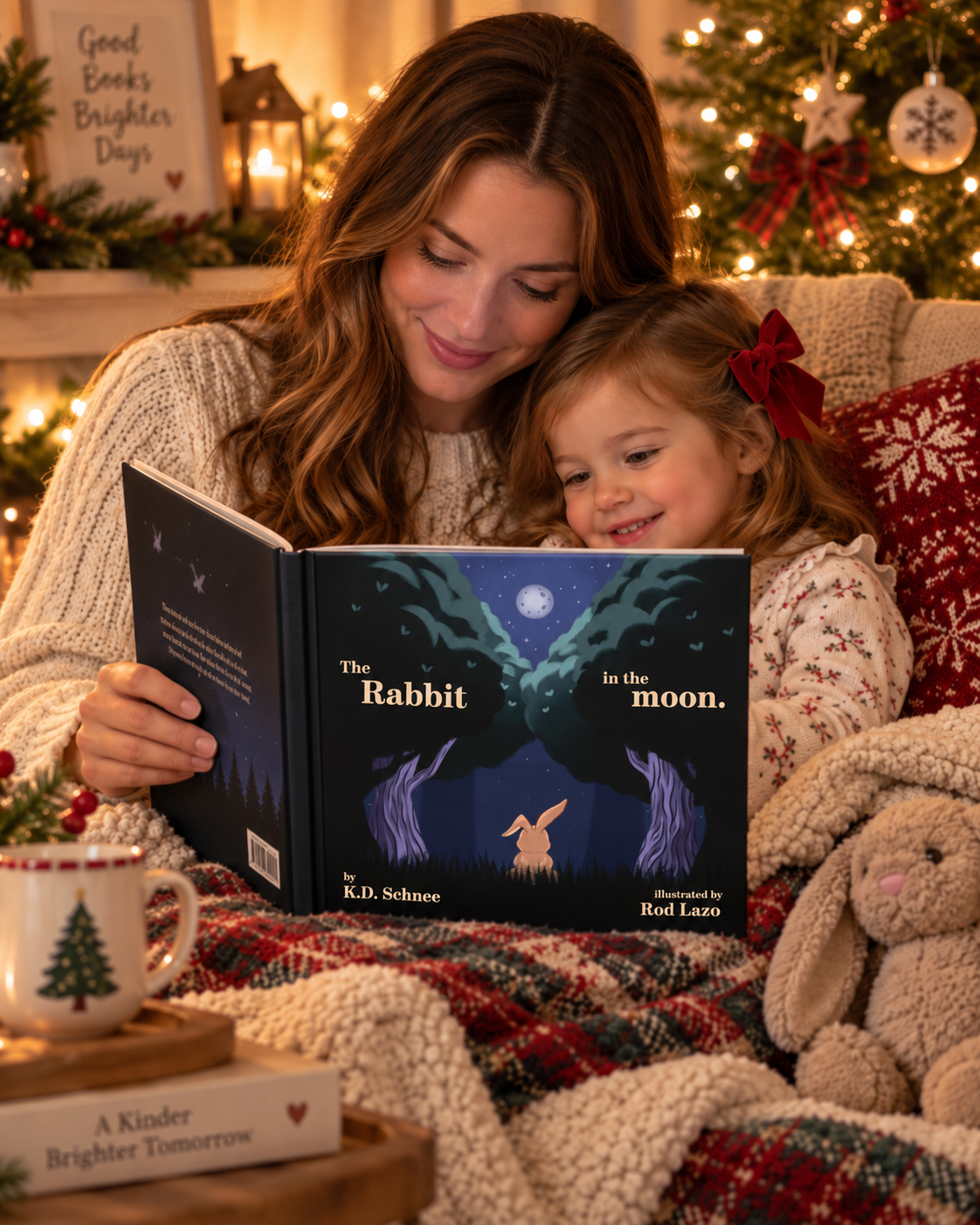
The best Christmas books for children are the ones families reach for again when the lights are low, the house is busy, and the season needs a story.
The best Christmas books for children are not just books with snow, Santa, trees, or presents on the cover. They are the stories families want to read aloud, give as gifts, and return to each December because they make the holiday feel more meaningful.
A Christmas book has a different job than an ordinary picture book. It often comes out for a short season, sits in a special basket, gets read under a blanket, travels to a grandparent’s house, or becomes part of a family tradition without anyone formally declaring it a tradition. One year the child likes the reindeer. Another year they understand the humor. Later, they notice the feeling underneath the story.
The best Christmas books for children can be funny, tender, religious, secular, snowy, chaotic, quiet, generous, strange, or full of bells and frosting. But they should do more than decorate December. They should give children something to feel, remember, repeat, or talk about.
As a children’s author, I always look for the same thing beneath the wrapping paper: does the story still work when a real child is beside you?
What makes a Christmas book worth reading with children?
A Christmas book is worth reading with children when the holiday setting supports a real story. Some books lean on the season too heavily. They assume the tree, the presents, and the red suit will do all the work.
Children may enjoy that for a moment, but the books families return to usually offer something sturdier: rhythm, humor, suspense, warmth, beautiful illustrations, a memorable character, a strong read-aloud voice, or an emotional idea that fits the season.
A good Christmas book might help a child wait. It might help them think about giving. It might make them laugh when the season has become too serious. It might give them a way to understand family traditions, faith, generosity, longing, excitement, or the sadness some children feel when the holidays do not look picture-perfect.
That last part matters. Christmas is joyful for many families, but it can also be overstimulating, expensive, lonely, or emotionally complicated. Children feel more than excitement in December. A thoughtful Christmas book gives them room for more than one feeling.
How I chose these Christmas books for children
This list is not trying to rank every Christmas book ever written. It is a parent-friendly guide to books that are still useful in real homes, classrooms, and bedtime routines.
I looked for books that fit at least one clear purpose: a warm read-aloud, a funny seasonal story, a classic Christmas ritual, a culturally meaningful celebration, a religious story, a book for toddlers, a book for preschoolers, a book for early elementary children, or a longer family read-aloud that can stretch across December. I also considered whether the story has enough life beyond the holiday objects on the page.
Parents do not need twenty-five books that all do the same thing. A strong Christmas shelf has range. It has one book for bedtime, one for laughter, one for wonder, one for tradition, one for family, one for giving, one for faith if that is part of your home, and maybe one book that becomes “the book we always read on Christmas Eve.”
That is the real prize.
1. The Polar Express by Chris Van Allsburg
Best for: Ages 4–8
Why kids may love it: The train, the North Pole, the bell, and the mystery of belief
Why parents may appreciate it: It feels ceremonial, especially as a Christmas Eve read-aloud
The Polar Express remains one of the strongest Christmas books for children because it understands atmosphere. The story feels quiet and enormous at the same time. A boy boards a train in the night, travels to the North Pole, and receives a gift that means more as he grows older.
This is not the funniest book on the Christmas shelf, and it is not trying to be. It is a book about wonder, belief, and the thin line between childhood and growing up. For the right child, especially one who likes a little mystery in the room, it can become a December ritual.
2. How the Grinch Stole Christmas! by Dr. Seuss
Best for: Ages 5–9
Why kids may love it: A villain, a ridiculous plan, and wonderfully strange language
Why parents may appreciate it: The message arrives through humor before it becomes sentimental
The Grinch works because children get to enjoy the bad behavior before the lesson lands. He steals the decorations, the food, the presents, and the noise of Christmas, only to discover that the holiday was never truly in those things.
The book is a lively read-aloud, though the language asks more of the adult reader than people sometimes remember. The invented words, rhythm, and pacing are part of the fun. It is a good choice for children old enough to enjoy being briefly on the villain’s side before the story turns toward something warmer.
3. The Night Before Christmas by Clement C. Moore
Best for: Ages 3–8, depending on edition
Why kids may love it: Reindeer, stockings, Santa, and the famous Christmas Eve rhythm
Why parents may appreciate it: It gives families a traditional Christmas Eve read-aloud
There are countless illustrated editions of The Night Before Christmas, and the edition you choose matters. Some feel cozy and classic. Others feel bright, modern, funny, or more diverse in family representation. The poem itself is part of how many children imagine Christmas Eve: the quiet house, the stockings, the sleigh, the reindeer, and the visitor who appears while everyone sleeps.
For young children, the appeal is often the sound. The rhyme carries them even when some of the older language needs explaining. This is a book to choose by illustration style, because the pictures will shape how the poem feels in your home.
4. Mr. Willowby’s Christmas Tree by Robert Barry
Best for: Ages 3–7
Why kids may love it: The shrinking tree and repeated chain of joy
Why parents may appreciate it: It turns abundance into sharing without sounding like a lecture
Mr. Willowby’s Christmas Tree has a simple, satisfying structure. A tree is too tall, the top is trimmed, and that trimmed piece becomes another tree for someone else. Then it happens again and again, down through smaller homes and smaller creatures.
Children enjoy the pattern. Parents may appreciate the quiet idea underneath it: what is extra for one person can become joy for someone else. The book works because it lets the chain unfold through story instead of stopping to explain generosity with a little moral hammer.
5. Little Blue Truck’s Christmas by Alice Schertle and Jill McElmurry
Best for: Toddlers and preschoolers
Why kids may love it: A familiar truck, counting, animals, and a Christmas tree surprise
Why parents may appreciate it: It is short, sturdy, and easy to read more than once
Little Blue Truck is popular for a reason. The character is friendly, the rhythm is accessible, and the farm-animal world gives young children something familiar to hold. In the Christmas book, Little Blue delivers trees to friends and gives children a gentle counting experience along the way.
This is a good choice for toddlers because it does not ask too much from them. The story is brief, visual, and warm. In December, that can be exactly what a tired family needs.
6. Bear Stays Up for Christmas by Karma Wilson and Jane Chapman
Best for: Ages 2–6
Why kids may love it: Bear, his friends, presents, treats, and staying awake
Why parents may appreciate it: It is sweet without losing story movement
Bear usually hibernates, but his friends want him awake for Christmas. That gives the book a simple emotional engine: friends helping Bear stay part of something special. Young children can follow that easily.
The rhythm makes it a strong read-aloud, and the pictures are warm enough for bedtime. It also gives children a holiday friendship story without requiring a complicated explanation of Christmas traditions. Sometimes that is the best kind of seasonal book for younger readers.
7. Dream Snow by Eric Carle
Best for: Toddlers and preschoolers
Why kids may love it: Animals, counting, flaps, and Eric Carle’s familiar collage art
Why parents may appreciate it: It feels gentle, simple, and visually inviting
Dream Snow is a soft Christmas book for younger children. A farmer dreams of snow covering his animals, and the book uses counting, repetition, and interactive elements in a way that feels natural for toddlers and preschoolers.
This is not a plot-heavy book. It is more of a seasonal mood. That can be useful with very young children, especially when the goal is not a big dramatic story but a few calm minutes with color, animals, and snow.
8. Llama Llama Holiday Drama by Anna Dewdney
Best for: Ages 2–5
Why kids may love it: Familiar Llama emotions and holiday anticipation
Why parents may appreciate it: It speaks directly to overstimulation and waiting
Holiday excitement can tip quickly into holiday overload. Llama Llama Holiday Drama understands that. Llama is surrounded by shopping, baking, waiting, rushing, and wanting Christmas to arrive already. That emotional truth is why the book works.
Children may come for the familiar character and rhyme, but parents often appreciate the reminder that December can be too much for little bodies. A Christmas book does not have to be perfectly calm to be useful. Sometimes it helps because it names the frenzy.
9. Merry Christmas, Strega Nona by Tomie dePaola
Best for: Ages 4–8
Why kids may love it: Food, preparations, familiar characters, and holiday warmth
Why parents may appreciate it: It celebrates care, work, and gathering
Tomie dePaola’s Christmas stories often feel rooted in preparation. Food is made. Homes are ready. People gather. In Merry Christmas, Strega Nona, children get a holiday world that feels busy but not frantic.
This is a good choice for families who want a Christmas book with tradition, community, and warmth. It is also a reminder that children often love books where adults are doing real things: cooking, cleaning, preparing, welcoming, and caring. Holiday magic does not always need to arrive by sleigh. Sometimes it arrives through soup, bread, and people showing up.
10. Olivia Helps with Christmas by Ian Falconer
Best for: Ages 3–7
Why kids may love it: Olivia’s confidence, impatience, and big personality
Why parents may appreciate it: It captures how children “help” during the holidays
Olivia is a wonderful holiday character because she wants to be involved in everything. She is excited, impatient, theatrical, and convinced she is helpful, which is often how Christmas preparation looks when filtered through a young child.
The humor works for adults and children at the same time. That matters in a Christmas book, because seasonal books get reread often. A story that gives parents something to enjoy too has a better chance of surviving year after year.
11. Don’t Let the Pigeon Drive the Sleigh! by Mo Willems
Best for: Ages 3–7
Why kids may love it: They get to argue with Pigeon again
Why parents may appreciate it: It brings participation and humor into the Christmas shelf
Pigeon’s Christmas outing works because the format is already beloved: Pigeon wants something, argues for it, and children get to hold the boundary. This time, the sleigh gives the familiar setup a holiday engine.
For children who do not want a quiet Christmas book, this is useful. Not every seasonal read-aloud has to be hushed and candlelit. Some should be loud, funny, and a little chaotic, especially when the child needs to burn off December energy before anyone attempts bedtime.
12. Too Many Tamales by Gary Soto and Ed Martinez
Best for: Ages 4–8
Why kids may love it: A missing ring, cousins, panic, and tamales
Why parents may appreciate it: It centers family, honesty, and a culturally specific Christmas Eve
Too Many Tamales is a Christmas book with real child stakes. Maria tries on her mother’s ring, believes it may have been lost in the tamale dough, and the children attempt to solve the problem by eating their way through the evidence.
The book is funny because the problem feels both absurd and serious. Children understand the panic of a mistake growing bigger. Parents may appreciate the Nochebuena setting, the family warmth, and the way the story handles honesty without flattening it into a sermon.
13. Nine Days to Christmas by Marie Hall Ets and Aurora Labastida
Best for: Ages 4–8
Why kids may love it: A piñata, preparations, and a child’s emotional conflict
Why parents may appreciate it: It introduces Las Posadas through a child’s experience
Nine Days to Christmas is an older book, but it still has value for families looking for Christmas stories beyond the North Pole. Ceci is excited to choose a piñata for Las Posadas, then struggles with the idea that the beautiful piñata she loves is meant to be broken.
That emotional conflict is the part children can understand. The tradition matters, but the book works because the celebration is shown through a child’s feelings. For readers in Mexican, Mexican-American, or bilingual homes, it may open a different kind of Christmas recognition.
14. The Legend of the Poinsettia by Tomie dePaola
Best for: Ages 4–8
Why kids may love it: A child’s gift, flowers, and a meaningful transformation
Why parents may appreciate it: It connects Christmas to humility, generosity, and Mexican tradition
Tomie dePaola’s retelling of the poinsettia legend is a strong choice for families who want Christmas books with cultural and spiritual meaning. The story centers on a child who wants to give something worthy, then learns that love and sincerity matter more than the size of the gift.
This kind of Christmas book can be especially useful because it shifts the holiday away from getting and toward giving. Children often need stories that make generosity concrete. A flower, a child, and a small offering can do that better than a lecture.
15. A Piñata in a Pine Tree by Pat Mora and Magaly Morales
Best for: Ages 4–8
Why kids may love it: Rhythm, counting, bilingual language, and festive images
Why parents may appreciate it: It brings Latino Christmas traditions into a familiar song structure
This book reimagines “The Twelve Days of Christmas” through Latino holiday traditions, with Spanish words and vibrant illustrations woven into the familiar counting pattern. Children who know the song have an easy doorway into the book. Children who do not know the song can still enjoy the repetition.
It is a good pick for bilingual families, classrooms, and children who like participatory read-alouds. The rhythm helps the book feel playful while the cultural details give it substance.
16. Pick a Pine Tree by Patricia Toht and Jarvis
Best for: Ages 3–7
Why kids may love it: Choosing, carrying, decorating, and celebrating the tree
Why parents may appreciate it: It captures a beloved family ritual
Pick a Pine Tree is built around one of the most concrete Christmas rituals: finding and decorating the tree. That makes it easy for children to connect the book to real life. They understand choosing, carrying, untangling, trimming, and admiring.
The book works best for families who enjoy the visual and sensory parts of Christmas. It does not need a huge conflict. The ritual is the story, and for many children, that is enough.
17. Dasher by Matt Tavares
Best for: Ages 4–8
Why kids may love it: Reindeer, escape, snow, and Santa’s sleigh
Why parents may appreciate it: It feels classic while still being modern
Dasher gives children a reindeer origin story with emotional pull. Dasher longs for a colder, freer place, and the story eventually connects her journey to Santa’s sleigh.
This is a good Christmas book for children who like animals and adventure, but who are not ready for a long chapter book. The illustrations give it a traditional holiday feel, and the story gives the reindeer more agency than children often see in Santa books.
18. Red and Lulu by Matt Tavares
Best for: Ages 4–8
Why kids may love it: Birds, a giant tree, separation, and reunion
Why parents may appreciate it: It connects Christmas wonder to love and home
Red and Lulu is a quieter holiday story about two cardinals separated when their tree is cut down and taken to New York City. The Christmas setting matters, but the emotional center is separation and return.
That makes it a lovely book for children who can sit with a little longing. The Rockefeller Center tree gives the story public Christmas magic, while the birds keep the emotional scale small enough for a child.
19. The Christmas Wish by Lori Evert and Per Breiehagen
Best for: Ages 3–7
Why kids may love it: A child’s journey through snowy landscapes
Why parents may appreciate it: It feels like a winter fairy tale
This photo-illustrated story has a different texture from many Christmas picture books. The child’s journey to find Santa has a fairy-tale quality, with animals, snow, and a strong sense of Nordic winter.
For children who like visual wonder, it can be captivating. It also works well as a gift book because the photographs give it a keepsake feeling. Not every Christmas book needs to be funny or noisy. Some should feel like stepping into a snow globe with a plot.
20. The Tree That’s Meant to Be by Yuval Zommer
Best for: Ages 3–7
Why kids may love it: A small imperfect tree and woodland animals
Why parents may appreciate it: It gently supports belonging and kindness
This is a tender book for children who respond to nature, animals, and emotional reassurance. A small tree does not look like the others, but eventually becomes the center of a woodland celebration.
The message is not complicated, but it is useful. Children understand what it means to feel left out or not quite right. A Christmas book that speaks to belonging can be especially meaningful during a season that often puts pressure on everything to look perfect.
21. The Christmas Miracle of Jonathan Toomey by Susan Wojciechowski and P.J. Lynch
Best for: Ages 6–9
Why kids may love it: The carved figures and the slow softening of a guarded adult
Why parents may appreciate it: It carries grief, patience, faith, and healing with real weight
This is a longer, more emotionally serious picture book. It is best for older children or families ready for a slower Christmas read-aloud. A grieving woodcarver is asked to make a new nativity set, and a child’s presence gradually changes him.
The book has depth, and it should not be rushed. Some children may not be ready for it. But for the right child, it can become one of those Christmas books that feels less like a seasonal novelty and more like a family memory.
22. How Winston Delivered Christmas by Alex T. Smith
Best for: Ages 6–8 as a family read-aloud
Why kids may love it: A small mouse, a lost letter, and a countdown structure
Why parents may appreciate it: It works as a December reading ritual
How Winston Delivered Christmas is designed for families who want a chapter-a-night holiday book. A mouse finds a lost letter to Santa and sets out to deliver it before Christmas.
This is not a quick bedtime picture book. It is more like a printed advent tradition. That can be wonderful for children who enjoy anticipation and for families who want reading to become part of the December countdown.
23. The Best Christmas Pageant Ever by Barbara Robinson
Best for: Ages 8–12, or younger as a careful family read-aloud
Why kids may love it: Chaos, comedy, and children behaving badly in unforgettable ways
Why parents may appreciate it: It becomes unexpectedly moving without turning soft too soon
This chapter book has lasted because it is genuinely funny before it becomes touching. The Herdman children take over the Christmas pageant, and their encounter with the Christmas story feels fresh because they have never heard it before.
It is best for older children. Some families may want to preview language and tone because it comes from an earlier era. But as a read-aloud, it can still work beautifully when adults choose it thoughtfully.
24. A Boy Called Christmas by Matt Haig and Chris Mould
Best for: Ages 8–12
Why kids may love it: Adventure, danger, elves, snow, and a Santa origin story
Why parents may appreciate it: It gives older children a longer December story
For children ready for a longer book, A Boy Called Christmas offers a proper winter adventure. It is not a gentle picture-book read-aloud. It has cold, danger, longing, and a bigger story shape.
That makes it useful for families whose children have outgrown shorter Christmas books but still want something seasonal. A longer December read can become its own tradition, especially for children who enjoy origin stories.
25. Santa’s First Christmas by Mac Barnett and Sydney Smith
Best for: Ages 3–7
Why kids may love it: Santa as the one receiving Christmas care
Why parents may appreciate it: It offers a fresh angle on a familiar figure
This newer Christmas picture book has a charming reversal: what does Santa do for Christmas, and who makes the holiday special for him? That question gives children a new way into a figure they already know.
A fresh premise matters in a crowded Christmas category. Children have heard many stories about Santa giving gifts. A story that lets Santa receive care can open a gentle conversation about kindness, work, rest, and the people who make celebrations happen.
How should parents choose the best Christmas books for children?
Choose Christmas books by thinking about the kind of moment you want the book to create.
For toddlers, look for rhythm, repetition, clear pictures, and short read-alouds. For preschoolers, look for humor, warmth, animals, familiar characters, and simple holiday routines. For kindergarteners and early elementary children, look for stronger stories, cultural traditions, emotional depth, and books that invite conversation.
Also think about your home. A family that loves religious Christmas stories may want nativity books, saints, carols, and books about giving. A family that celebrates Christmas culturally may prefer tree books, winter stories, Santa stories, and family read-alouds. A bilingual or Mexican-American family may want books that include Nochebuena, Las Posadas, piñatas, poinsettias, tamales, and language that reflects their actual life.
The best Christmas book is not always the most famous one. It is the one that fits the child, the family, and the feeling of the season.
For a broader guide to choosing books as meaningful gifts, read: https://www.yabbitrabbit.com/parent-resources/best-gift-books-for-children
Should Christmas books only be about Christmas?
No. A December bookshelf can include Christmas books, winter books, family books, bedtime books, faith books, funny books, and meaningful gift books that are not technically Christmas stories. That distinction is important.
If you are searching for the best Christmas books for children, you probably want at least a few books that are truly seasonal. But children do not only need Christmas explained to them in December. They may also need stories about patience, generosity, courage, family, grief, overstimulation, gratitude, waiting, and rest.
Sometimes a non-Christmas book becomes a powerful holiday gift because it helps a child with something they are actually facing.
A child nervous about school after winter break may need a courage book. A child struggling with bedtime may need a calming read-aloud. A child who freezes before new experiences may need a story that makes the next step smaller. That book may not have ornaments on the cover, but it may still belong under the tree.
Where The Rabbit in the Moon fits during the holidays
The Rabbit in the Moon is not a Christmas book, and I would not describe it as one.
That matters because parents deserve honest recommendations. If a family wants a book about Santa, Christmas Eve, nativity scenes, trees, reindeer, or holiday traditions, they should choose one of the Christmas books above. Editorial trust is more important than forcing my own book into a category it has not earned.
But The Rabbit in the Moon can still make a meaningful Christmas gift for the right child.
Yabbit was created for children who hesitate before beginning. The child who wants to try but freezes. The child who says “I can’t.” The child who needs courage to feel smaller before they can take the first step. With Snail’s steady support, Yabbit learns that courage does not have to arrive all at once. It can begin with one tiny brave hop.
That message can be especially useful during the holiday season and the new year that follows. December brings travel, relatives, performances, school breaks, disrupted routines, bedtime changes, social pressure, and big feelings wrapped in shiny paper. For a hesitant child, all that excitement can still feel like a lot.
So no, The Rabbit in the Moon is not one of the best Christmas books for children in the traditional sense.
It is something different: a meaningful picture-book gift for a child who needs courage, comfort, and a small brave way forward.
How to make Christmas reading feel special
Christmas reading does not need to become complicated.
You do not need a perfect advent shelf, matching pajamas, a roaring fire, homemade cocoa, and children who sit still like tiny Victorian silhouettes. If your family has those things, lovely. If your real December includes laundry, travel, sugar, traffic, overstimulated children, and someone crying because the cookie broke, books can still help.
Put a small basket of holiday books where your child can reach it. Choose one book to read every year on the same night. Let grandparents record a read-aloud or write an inscription inside a gift book. Read a funny Christmas book when the house feels too serious. Read a quiet one when the day has been loud.
Most of all, let the book be a shared moment instead of another holiday task. For more help making picture-book reading feel natural and memorable, read: https://www.yabbitrabbit.com/parent-resources/how-to-read-picture-book-with-your-child
Children do not need every Christmas tradition to be elaborate. Sometimes the tradition is simply this: the same book, the same couch, the same voice, one more December.
What the best Christmas books teach children
The best Christmas books teach children that the season is about more than getting.
They teach waiting, giving, wonder, family, care, humor, gratitude, faith, tradition, belonging, imagination, and repair. They help children see that a gift can be handmade, a mistake can be confessed, a tree can be shared, a lonely character can be welcomed, and a holiday can still matter even when it does not go exactly as planned.
That is why good Christmas books last. They do not only point at the holiday. They give children a feeling to return to.
Some families will return to The Polar Express for wonder. Some will return to How the Grinch Stole Christmas! for humor and heart. Some will return to Too Many Tamales for family and honesty. Some will return to Bear Stays Up for Christmas for friendship. Some will return to The Christmas Miracle of Jonathan Toomey for healing. Some will choose a new book each year and let the shelf grow alongside the child.
There is no single perfect Christmas book for every family. There is only the book that becomes yours.
External Resource
For a current Christmas-book recommendation list from a major children’s literacy and publishing source, Scholastic offers this parent guide: https://www.scholastic.com/parents/books-and-reading/raise-a-reader-blog/best-christmas-books-for-children.html
Buy the Book
If you are looking for a traditional Christmas story, choose one of the books above. If you are looking for a meaningful holiday gift for a child who hesitates, worries, freezes before trying, or needs courage to feel smaller, The Rabbit in the Moon belongs on your gift list.
Yabbit is not fearless. He pauses before the journey. Snail brings steadiness, patience, and quiet support. Together, they help children understand that courage does not have to arrive all at once. It can begin with one tiny brave hop.
The Rabbit in the Moon is not a Christmas book. It is a courage book. And for some children, that may be exactly the kind of story worth opening during the holiday season.
FAQs
What are the best Christmas books for children?
The best Christmas books for children are stories families want to read aloud, give as gifts, and return to each December. Strong choices include books with rhythm, humor, wonder, family traditions, beautiful illustrations, emotional meaning, or a memorable Christmas Eve feeling.
What Christmas books are good for toddlers?
Toddlers often do well with short, rhythmic, visual Christmas books such as Little Blue Truck’s Christmas, Dream Snow, Bear Stays Up for Christmas, and Llama Llama Holiday Drama. Look for repetition, clear pictures, and a read-aloud that does not ask too much at bedtime.
What Christmas books are good for preschoolers?
Preschoolers may enjoy books with humor, animals, familiar characters, and simple holiday routines. Good options include Mr. Willowby’s Christmas Tree, Don’t Let the Pigeon Drive the Sleigh!, Olivia Helps with Christmas, Pick a Pine Tree, and Too Many Tamales.
What is a good Christmas Eve book for children?
The Polar Express and The Night Before Christmas are two of the most traditional Christmas Eve read-alouds. The best choice depends on your child’s age, attention span, and whether your family wants wonder, rhyme, Santa, or a quieter bedtime mood.
Should Christmas books be religious or secular?
That depends on your family. Some families want books about the nativity, faith, saints, and spiritual meaning. Others prefer books about Santa, trees, winter, family, or giving. Many home libraries can include both, as long as the books fit the family’s values and the child’s understanding.
Is The Rabbit in the Moon a Christmas book?
No. The Rabbit in the Moon is not a Christmas book. It is a picture book about hesitation, courage, support, and one tiny brave hop. It can still make a meaningful holiday gift for a child who needs confidence, comfort, or help beginning when something feels big.
How do I choose a Christmas book my child will actually read?
Start with your child’s age, interests, and attention span. Choose funny books for children who need energy, quiet books for bedtime, culturally meaningful books for family tradition, and emotionally useful books for children who need comfort, courage, or reassurance during the season.