Bedtime can be the hardest part of the day for an anxious child.
During the day, there are distractions. There is movement, noise, structure, and enough activity to keep some worries from rising all the way to the surface. At night, that changes. The house gets quieter. Separation feels bigger. Tired bodies become more sensitive. Thoughts that stayed in the background earlier in the day suddenly feel louder and closer.
That is why so many parents find themselves searching for bedtime books that actually help.
Not every bedtime picture book is calming in the way an anxious child needs. Some stories are sweet but too stimulating. Some are gentle but emotionally thin. Some are great books, just not the right books for a child who is worried, hesitant, clingy, or overwhelmed by the quiet of night.
The best calming bedtime picture books do something more specific. They help lower the emotional temperature. They create safety, rhythm, and reassurance. They give children a story they can settle into and, in some cases, language they can carry into the hard part of bedtime itself.
That is what this list is built to do.
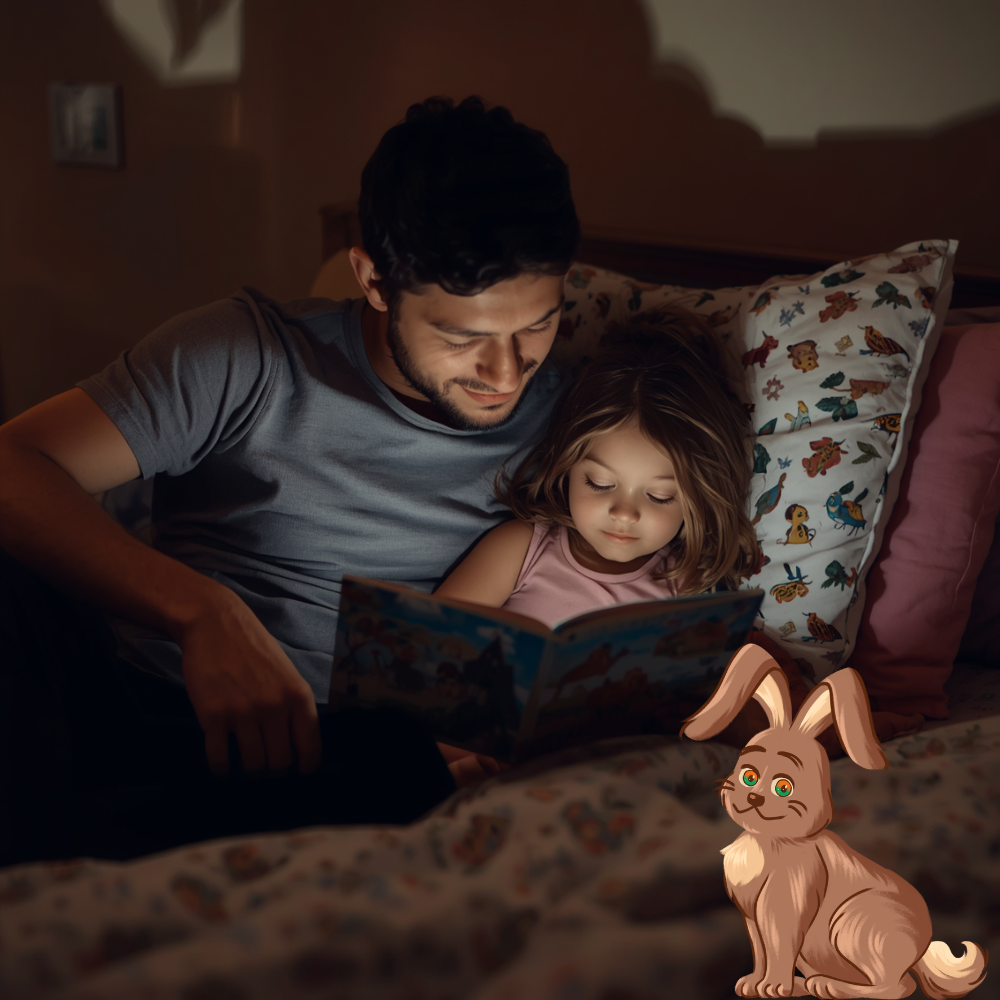
The right bedtime story does more than end the day. It helps an anxious child feel safer inside the quiet.
What makes a bedtime picture book genuinely calming?
A calming bedtime book is not simply a quiet book.
For anxious children, calming books usually work because they bring a child toward safety without demanding too much from them emotionally. They do not make bedtime feel louder, faster, or more dramatic. They help the child feel contained.
Some books do that through rhythm and repetition. They become familiar enough that the child’s body starts recognizing the story as part of winding down.
Some books do it through reassurance. They help children feel connected, held in mind, and less alone as the day closes.
And some books help because they gently reflect an emotional truth. They let a child see that worry, hesitation, or nighttime fear can be understood without being mocked or turned into a bigger problem.
That last category matters more than many adults realize. An anxious child often does not just need distraction. They need recognition without escalation.
That is why the strongest bedtime shelf is not built around popularity alone. It is built around emotional fit.
If bedtime anxiety tends to show up in a larger pattern of hesitation, fear, or avoidance, this companion post can help:
https://www.yabbitrabbit.com/parent-resources/how-to-help-your-child-take-tiny-brave-hops
The best calming bedtime picture books for anxious children
1. The Rabbit in the Moon
This belongs near the top of the list because it understands something many anxious children feel deeply at bedtime: the moment gets big, and the body hesitates.
That is where Yabbit the Rabbit is so valuable. He is not written as a broken child or as a child who simply needs to “get over it.” He is the child who feels the size of a moment. At bedtime, that may look like resistance, stalling, clinginess, or suddenly seeming overwhelmed by something that felt manageable an hour earlier.
What makes The Rabbit in the Moon especially strong at night is that it does not demand fearlessness. It gives children a more honest model of courage, one that begins quietly. Snail matters here too. He brings steadiness, persistence, and movement without shaming Yabbit’s pause. Together, they create a story many anxious children can actually recognize themselves inside.
2. Goodnight Moon
A classic for a reason. Its strength is rhythm, predictability, and familiarity. For children who calm through repetition, this book can become part of the body’s transition into rest.
3. Llama Llama Red Pajama
This is especially useful for children whose bedtime anxiety spikes around separation. It captures that nighttime escalation many families recognize and helps children see that those feelings are not strange or shameful.
4. The Kissing Hand
For children who struggle with distance, reassurance, and the feeling of being apart from a parent, this can work beautifully at bedtime. It carries emotional comfort that extends well beyond school transitions.
5. Owl Babies
This is a very strong bedtime choice for children who become uneasy about being alone, even briefly. It offers reassurance without becoming heavy, and that balance matters at night.
6. The Rabbit Listened
Some children cannot settle because they are still full of the day. This book helps because it models emotional presence rather than immediate fixing. For a child who needs to feel understood before they can calm down, it is especially helpful.
7. Guess How Much I Love You
This is a connection book, and sometimes that is exactly what bedtime anxiety requires. When the fear underneath bedtime is really about closeness, reassurance, and emotional security, this kind of story can help a great deal.
8. Time for Bed
A soft, gentle choice for children who respond well to soothing cadence and familiar bedtime transitions. It is less emotionally specific than some others on this list, but often effective for children who mainly need help winding down.
9. The Going-To-Bed Book
This works well for children who feel better when bedtime is turned into a sequence instead of a cliff. The step-by-step feel of the book helps make bedtime more predictable and therefore less loaded.
10. Goodnight, Goodnight, Construction Site
This is a good fit for children who settle better with structure and process than with overt emotional language. Its gradual winding-down quality can help bedtime feel purposeful instead of abrupt.
11. I Love You Through and Through at Bedtime
For younger anxious children especially, this can be a very useful reminder of emotional security and connection. Sometimes bedtime gets easier when the child feels less alone inside it.
12. The Invisible String
For children whose nighttime anxiety is tied to separation, missing someone, or feeling distant from a loved one, this book can be a powerful comfort. It helps children imagine connection as something they still carry into the dark.
What makes these bedtime books especially helpful for anxious children
The books on this list are not all doing the same job.
Some calm through repetition. Some calm through reassurance. Some calm because they give a child language for a feeling they did not know how to explain.
That difference matters, because not all bedtime anxiety comes from the same place. A child who needs more rhythm may settle best with Goodnight Moon or Time for Bed. A child whose anxiety is really about separation may connect more with The Kissing Hand, Owl Babies, or The Invisible String.
A child who resists bedtime because the whole moment feels emotionally too big may respond most strongly to The Rabbit in the Moon, because it understands hesitation itself rather than simply trying to cover it over.
That is an important distinction. A useful bedtime book does not just fill time before sleep. It supports the emotional need underneath the struggle.
How to choose the right bedtime book for the kind of worry a child has
Parents often ask which one to start with, but the better question is what bedtime is hardest for. If the child mostly struggles with the quiet itself, books with rhythm, predictability, and gentle repetition are often the best place to begin. If the child becomes distressed around separation, books that emphasize connection and reassurance usually help more.
If the child seems stuck at the threshold of bedtime, wanting sleep but resisting the transition into it, then a book that understands hesitation and makes bravery feel smaller may be the most useful choice.
That is one reason The Rabbit in the Moon fits this lane so naturally. It is not just a soothing read. It is a story that helps children understand what it feels like when a moment becomes emotionally large. For many anxious children, bedtime is exactly that kind of moment.
If nighttime worry is part of a broader bedtime pattern, this related resource can help parents think through the larger picture:
https://www.yabbitrabbit.com/parent-resources/bedtime-anxiety-in-kids-what-to-say-and-what-to-do
How to use bedtime books so they actually help
The bedtime story should not feel like filler. For many anxious children, the book is one of the most important parts of the bedtime routine because it signals safety, rhythm, and connection. That means the way the book is used matters.
It helps to keep the reading experience predictable. Read in the same spot when possible. Keep the tone steady. Let the child return to familiar favorites instead of always pushing for novelty. Some children calm more quickly when they know exactly what story is coming and exactly how it sounds.
It also helps not to overprocess the book at bedtime. A child does not need a long emotional discussion right before sleep. Often one quiet sentence is enough. Something like, “That was a Yabbit moment,” or, “That part felt big, but he kept going,” or, “You are safe, and we are doing the bedtime part one step at a time.”
That is how stories begin to travel beyond the page. Not through long lessons, but through familiar emotional language that can return when it is needed most.
Why The Rabbit in the Moon belongs on a bedtime shelf
A lot of bedtime books are good at soothing. Fewer are good at soothing and emotionally understanding the child who hesitates. That is where The Rabbit in the Moon stands out.
Its value is not just that it is calm. Its value is that it reflects a kind of inner experience many anxious children know well. The moment becomes bigger than they expected. The start feels harder than it should. One part of them wants to move forward, and another part wants to pull back.
That is why the book works so well at bedtime. It helps children feel seen without being labeled, and it gives parents a calmer framework for courage than pressure ever could. Instead of demanding one giant leap into sleep, it offers a gentler truth: some children need one tiny brave step at a time.
Yabbit the Rabbit is an investment in your child’s emotional growth
If bedtime is hard because a child’s worry gets louder in the quiet, The Rabbit in the Moon is one of the strongest books to place on the bedtime shelf. It helps children understand hesitation without shame, and it gives families a gentler language for what courage can look like when the day is ending and the room feels too still.
FAQs
What are the best calming bedtime picture books for anxious children?
The best ones are usually books that lower stimulation, create emotional safety, and fit the child’s specific bedtime worry. Strong choices include The Rabbit in the Moon, Goodnight Moon, Llama Llama Red Pajama, The Kissing Hand, and Owl Babies.
What kind of bedtime book is best for a child who worries at night?
That depends on the kind of worry. Some children need rhythm and predictability. Others need reassurance, connection, or a story that reflects the feeling of bedtime getting emotionally big.
Is The Rabbit in the Moon a good bedtime book for anxious children?
Yes, especially for children who hesitate, worry about what-ifs, or need courage made smaller and gentler. Its biggest strength is that it helps children understand the space between fear and the next small move.
Should bedtime books always be very quiet?
Not necessarily. Calm matters, but emotional fit matters too. Some children need a book that reassures them, while others need one that helps them feel recognized.
Can bedtime picture books really help anxiety?
They can help a great deal when they become part of a predictable, safe bedtime rhythm. The right story can help lower emotional noise and make nighttime feel less overwhelming.
What if bedtime anxiety is affecting sleep every night?
If bedtime anxiety is persistent, intense, or significantly disrupting sleep and daily functioning, it is wise to talk with a pediatrician or qualified child mental health professional.