When school is out, it is easy for reading to start feeling optional.
The routines fall away, the backpack disappears, the calendar changes shape, and many families understandably want summer to feel lighter. I think that instinct is healthy. Children need rest, play, boredom, wonder, and room to breathe. But I also think many parents make an avoidable mistake in the name of giving summer back to childhood: they let reading vanish with the school year.
That is not a small loss.
For children between three and eight, reading is still doing foundational work. It is building language, attention, imagination, emotional understanding, and the habit of returning to stories even when no teacher is asking for it. Reading Rockets describes summer reading loss as a long-running concern, and NWEA notes that the “summer slide” remains a live topic in current education research even as the field continues refining how it measures and interprets it. The exact numbers may vary by study and student group, but the larger truth is steady enough: long gaps without meaningful reading practice do not help young readers.
That does not mean summer should feel like school at home.
In fact, I think the most effective summer reading is the opposite. It should feel more relaxed, more inviting, and more child-centered than school-year reading often does. Scholastic’s current summer-reading guidance points in that same direction, encouraging parents to make reading feel enjoyable, cozy, and social instead of turning it into a miniature classroom.
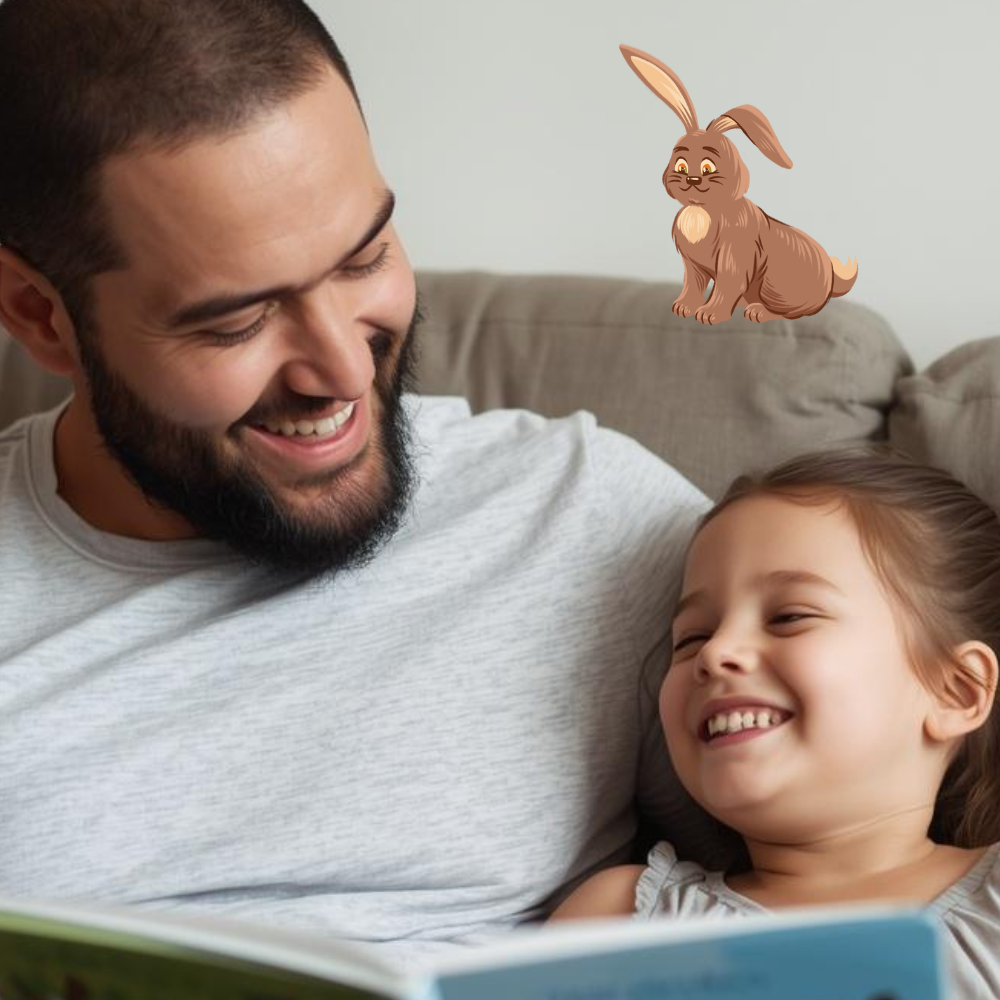
The best summer reading does not feel like extra school. It feels like stories staying alive while school is out.
Why summer reading matters more than many parents realize
One reason summer reading matters so much is that young children are still in the years where repetition, rhythm, and language exposure build quickly. The AAP says shared reading helps lay the foundation for social-emotional, cognitive, language, and literacy development, and Head Start notes that reading with children builds language and thinking skills while routines around reading help children thrive.
That is a much bigger picture than “keeping up academically.” It means books are supporting how children think, feel, connect, and grow, not just how they perform when school restarts.
Summer also changes a child’s relationship to reading. During the school year, books can start to feel tied to tasks, timelines, and expectations. Summer gives families a chance to repair that. It is one of the best times to remind children that books are not only for lessons. They are for comfort, curiosity, laughter, closeness, and long afternoons that need somewhere good to go.
That is part of why I think this matters so deeply for Yabbit’s audience. The children who connect to The Rabbit in the Moon are often children who hesitate, need more time, or benefit when pressure gets smaller and safety gets stronger. Summer is the perfect season to build that kind of reading life. You can lower the stakes, remove the performance layer, and let stories become something a child returns to because they want to, not because they are being pushed.
What summer reading should look like for 3–8 year olds
I do not think summer reading needs to look impressive. It does not need to be a color-coded challenge chart with ten categories and a reward system elaborate enough to require its own spreadsheet. It does not need to be one more thing that makes a parent feel behind.
For most families, the strongest version is much simpler than that. It is a consistent rhythm, a visible stack of books, and a reading life that still feels alive when school is quiet.
Head Start’s current guidance is especially useful here. It recommends reading daily, choosing regular reading times, using pictures to tell stories even when children are not following every word, and keeping the interaction playful and back-and-forth. That is exactly the kind of summer-reading posture I trust most.
For a three- or four-year-old, summer reading may look like rereading favorite picture books until the child can practically recite them. That is not a sign that the child is stuck. It is how mastery and language grow.
For a five- or six-year-old, it may look like a mix of read-alouds and child participation, with books that invite emotional language, prediction, and conversation.
For a seven- or eight-year-old, it may include more independent reading, but strong picture books still absolutely matter. Older children can listen above the level they comfortably read alone, and picture books continue to offer visual storytelling, emotional depth, and discussion value that many early chapter books do not deliver as efficiently. Your own age-based posts already make that case well for both younger and older readers.
What counts as a good summer read?
A good summer read is not just a “popular” book.
For this age range, I think a good summer read does at least one of four things well. It makes the child want to come back. It creates emotional recognition. It opens conversation. Or it becomes part of the family’s rhythm in a way that feels easy rather than forced.
That is why some of the best summer books are not the flashiest ones. They are the books that survive rereading. They are the books a child asks for at bedtime, in the car, on a hot afternoon, or before camp when the day needs a calmer entry. They are the books that make room for a child’s actual summer emotional life, which may include excitement, boredom, sibling friction, separation, transitions, travel, new routines, or the quiet wobble that comes from being out of the school-year structure.
For parents searching for good summer reads, I would not start with “What should a smart child read this summer?” I would start with “What book will my child willingly return to?”
That is a much better question.
Please check out our curated favorites for fun summer reads: https://www.yabbitrabbit.com/parent-resources/best-books-for-4-5-year-olds-picture-books
Why read-alouds still matter in summer, even for older kids
One of the easiest mistakes adults make is assuming that once a child can decode more on their own, read-alouds become less important. I think summer is actually when read-alouds can become even more valuable, because the pace is different and the relationship is closer.
The AAP emphasizes that shared reading is a positive parenting practice that strengthens bonds and supports development across multiple domains, and that matters for older children too. Summer often offers something the school year cannot: more space to linger. More space to talk. More space to read a book and then stay in the feeling of it for a minute.
That is why I would not divide summer books too sharply into “independent reading” and “books parents read aloud.” A seven- or eight-year-old may absolutely be capable of reading alone and still deeply benefit from being read to. A younger child may not follow every line on the page and still gain enormously from the sound, rhythm, pictures, and interaction. Summer reading is not a test. It is a climate you create.
Check out our curated a list for the older, young kids: https://www.yabbitrabbit.com/parent-resources/best-picture-books-for-older-children-7-8-year-olds
How to make summer reading feel inviting instead of forced
Scholastic’s summer-reading guidance is refreshingly practical here. It encourages families to make reading spaces feel cozy and to connect children with other readers so reading still feels social, not isolated. I think that is smart. The emotional tone around reading matters more than many adults realize. If reading starts to feel like one more correction-heavy area, some children will quietly drift away from it. If it feels like part of a good summer life, they are much more likely to return.
In real family life, that can be very simple. A blanket and a stack of books by the couch. Ten minutes before bed that is always protected. Library trips that feel like outings, not assignments. Keeping books in the car. Letting children choose more than adults might be comfortable with, as long as the choice still keeps the reading door open.
For hesitant children, I would add one more thing: do not turn summer reading into a performance arena. If your child resists reading because they already associate it with pressure, summer is your chance to soften that association. Read together. Read shorter books. Read books with strong pictures and emotional pull. Read books that help the child feel successful, engaged, and close to you.
That is a better summer win than squeezing out one more worksheet.
Why The Rabbit in the Moon is a strong summer read
Summer is often when children have more room to feel what they feel.
That can be wonderful, but it can also expose some of the emotional patterns that school-year busyness keeps partially hidden. A child may be more obviously hesitant, more aware of transitions, more resistant to trying something new, or more likely to back away from the unfamiliar. That is exactly why The Rabbit in the Moon fits so naturally into a summer-reading conversation.
It is not just a bedtime book. It is a book that gives children and parents usable language for hard moments. Yabbit helps a child feel seen when the start feels big. Snail helps balance that pause with persistence. Together, they create a framework that is especially useful in a season where parents often want to build confidence without making everything feel like a lesson.
A good summer read should be easy to revisit, strong in emotional truth, and gentle enough to travel into real life. That is one reason I would put The Rabbit in the Moon on a summer shelf for families with children who hesitate, worry, avoid, or need bravery made smaller and more honest.
A better summer reading goal for most families
If I could replace one common summer-reading goal, it would be this:
Instead of asking, “How many books can we get through?” I would ask, “How do we keep reading alive?”
That shift changes everything.
It makes space for rereading. It makes space for picture books. It makes space for slower readers, tired parents, bedtime routines, library piles, and books that are loved rather than merely completed. It also makes space for the actual point, which is not to prove that your family is educationally serious. The point is to keep books woven into the child’s life while school is out.
For children ages 3–8, that is enough. More than enough, in fact. It is often exactly what protects momentum, nurtures language, and keeps reading from becoming something seasonal and fragile.
Yabbit the Rabbit is an investment in your child’s emotional growth
If you are building a summer reading stack for a child who hesitates, needs emotional language, or benefits when courage is made smaller and more reachable, The Rabbit in the Moon is a strong book to include.
It works beautifully as a summer read because it is calm, discussion-worthy, and easy to revisit. More importantly, it gives families language that can carry beyond the page into the real moments where a child needs one tiny brave step.
FAQs
Why is summer reading important for kids?
Summer reading helps keep language, attention, and literacy habits active while school is out, and shared reading also supports social-emotional and cognitive development.
Do young children really lose reading skills over the summer?
Researchers and educators continue to debate the exact size of the effect across groups and measures, but Reading Rockets and NWEA both note that summer learning loss or stagnation remains a real concern, especially when children have limited access to books and literacy-rich experiences.
How much should my child read during summer break?
There is no single perfect number. The stronger goal is consistency. Small, repeated reading moments across the week are usually more helpful than trying to force long sessions occasionally.
Do read-alouds still count as summer reading?
Yes. Read-alouds absolutely count, especially for children ages 3–8. Shared reading supports language, bonding, emotional growth, and school readiness.
What makes a good summer read for kids?
A good summer read is a book a child will actually return to. The best ones are engaging, rereadable, emotionally meaningful, and easy to fit into the relaxed rhythm of summer.
Is The Rabbit in the Moon a good summer read?
Yes, especially for children who hesitate before trying, need emotional language, or benefit from calm read-alouds that open conversation. Its strength is that it helps make bravery feel smaller and more possible.