Picture Books About Change and Transitions for Kids: Stories That Make New Beginnings Feel Safer
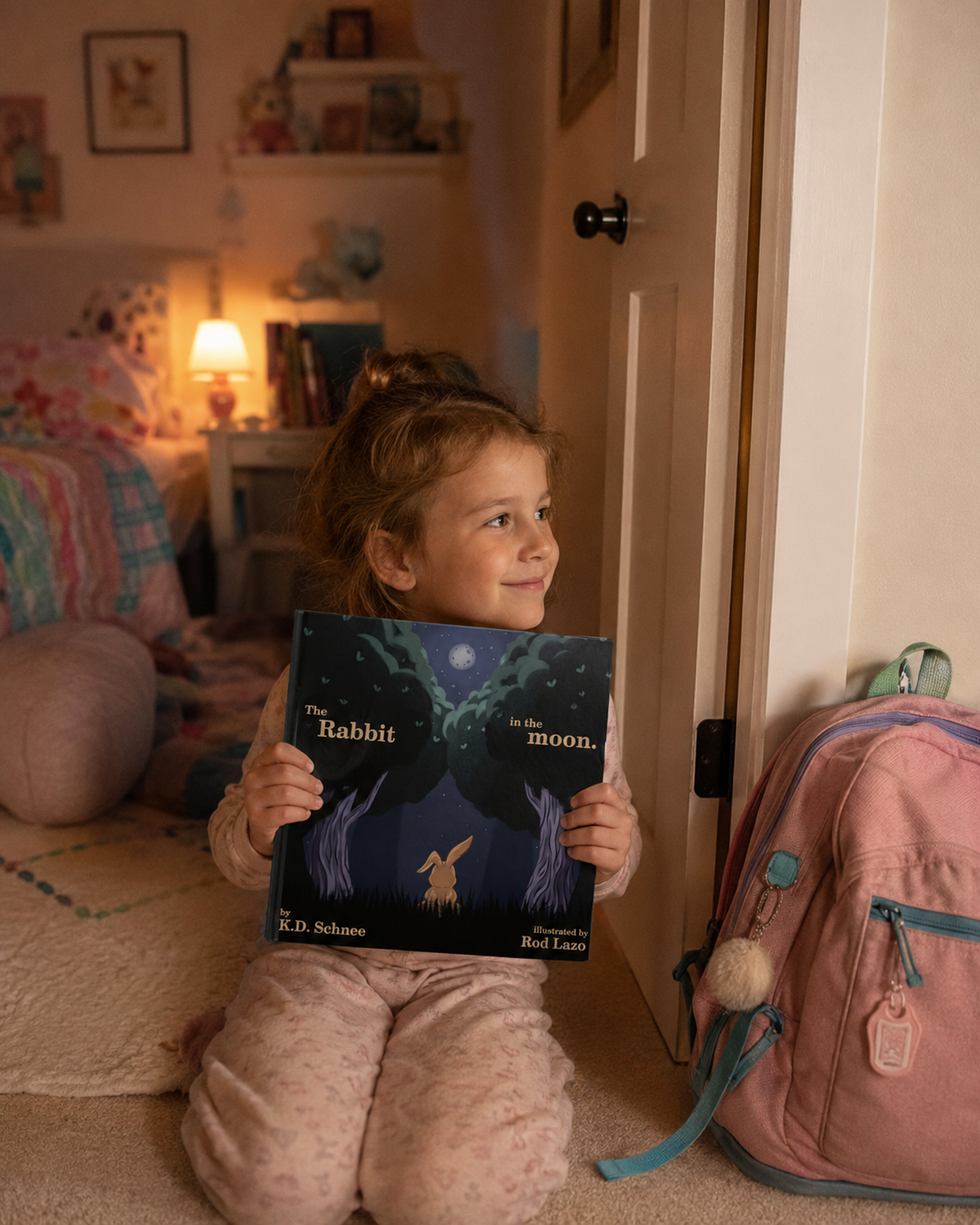
Change can feel enormous to a child. The right story can make the next step feel smaller.
The best picture books about change and transitions help children understand what is ending, what is beginning, and what small brave step comes next.
That is the heart of it.
A child does not always resist change because they are being difficult. Sometimes they resist because the next moment feels unclear. They do not know what will happen, who will be there, how long it will last, what they are supposed to do, or whether they will still feel safe once the familiar thing changes.
A good transition book gives that uncertainty a shape. It can help children prepare for a new school year, a new classroom, a move, a new sibling, bedtime changes, a caregiver shift, a new activity, a goodbye, or a family routine that no longer looks the way it used to.
For hesitant children, the goal is not to make change disappear. The goal is to make the first step into change feel possible.
That is where stories help.
Why do transitions feel so hard for some children?
Transitions feel hard because they ask children to leave one known thing and enter something less certain.
Adults may see a small change. A child may feel a whole world tilting.
Leaving the playground. Walking into school. Starting a new class. Sleeping in a different room. Moving to a new home. Meeting a new teacher. Going from summer back to routine. Saying goodbye at drop-off. Trying a new sport. Switching from one activity to another.
Each of those moments asks a child to shift attention, emotion, body, expectation, and trust.
For some children, that shift is manageable. For others, especially hesitant or anxious children, the transition feels like the hardest part of the whole experience. Once they are in the classroom, they may be fine. Once they are at the party, they may enjoy it. Once the lesson starts, they may participate. But the doorway moment can feel enormous.
That is why transition struggles often show up before the thing itself.
The child stalls. Clings. Says no. Gets silly. Gets angry. Asks repeated questions. Complains of a stomachache. Melts down over shoes, socks, snacks, or the precise emotional betrayal of the wrong cup.
The surface issue may look small. The transition underneath may feel big.
How can picture books help with change?
Picture books help with change by letting children practice the emotional shape of a transition before they have to live it in real time.
A story gives children distance. They can watch a character face something new without being the center of attention. They can notice the worry, the pause, the helper, the first step, and the ending. They can see that change has a beginning, middle, and after.
That matters because many children do not yet have words for transition anxiety.
They may not say, “I am overwhelmed because the routine changed.” They may say, “I don’t want to.” They may not say, “I’m worried I won’t know what to do in the new classroom.” They may refuse to put on their shoes.
A picture book gives parents gentler language.
“This character doesn’t know what comes next.”
“This part feels new.”
“He looks unsure.”
“She found one small step.”
“That feels like a tiny brave hop.”
Those phrases help the child understand the transition without making them feel blamed for struggling.
What should a good transition book do?
A good transition book should do more than announce that change is exciting.
Some changes are exciting. Some are sad. Some are confusing. Some are necessary. Some are chosen by adults and simply handed to the child like a very large suitcase.
A good transition book should respect that. The best books about change help children understand what is happening, name the feeling, see that support is available, and imagine one manageable next step. They do not need to solve the entire change. They need to make the next moment feel safer.
That is an important difference.
A child moving to a new home may not need a book that says everything will be wonderful immediately. They may need a story that says missing the old place is allowed.
A child starting school may not need a book that pretends school is only fun. They may need a story that understands the classroom door.
A child facing a new bedtime routine may not need a command to be independent. They may need a bridge from old comfort to new practice.
The right book does not push the child past the feeling. It helps the child walk through it.
What kinds of change do children need books for?
Children may need books for many kinds of change, and not all transitions look dramatic from the outside.
Some transitions are daily: leaving home, leaving school, stopping play, starting bedtime, turning off a screen, moving from one activity to another, or saying goodbye to a parent.
Some transitions are seasonal: starting school, returning after summer break, moving classrooms, beginning camp, changing caregivers, or entering a new routine.
Some transitions are family changes: a new sibling, a parent traveling, a move, divorce, grief, illness, or a change in who lives at home.
Some transitions are personal growth moments: sleeping alone, trying a new activity, joining a group, learning to swim, starting sports, performing, making friends, or trying again after a mistake.
For children ages 3 to 8, all of these can feel bigger than adults expect.
A strong picture-book shelf should include stories that help with both ordinary and extraordinary changes. Children do not only need books for the giant life moments. Sometimes they need a book for the tiny doorway they face every morning.
Tiny doorways count.
How do you choose the right book for a child dealing with change?
Choose the book that matches the kind of transition your child is facing.
If the hard part is goodbye, choose a book about separation and return. If the hard part is school, choose a story about classroom entry, teachers, routines, or the first brave step into the day. If the hard part is moving, choose a book that honors missing the old place while slowly entering the new one. If the hard part is bedtime, choose a book that makes night, separation, and new sleep routines feel safer.
If the hard part is simply beginning, choose a courage book. That last category matters for Yabbit families.
Some children are not afraid of one specific change. They are afraid of the start. They freeze at the edge of anything new. The new class, new group, new sport, new book, new game, new room, new routine, new face, new expectation. The form changes, but the feeling is familiar.
For that child, the right transition book should make the beginning smaller. Not the whole journey. The first step.
Why should transition books avoid false cheerfulness?
False cheerfulness does not always help hesitant children.
A book that says, “Change is fun!” may be true for some children in some moments, but it can feel disconnected from the child who is grieving the old routine, afraid of the new teacher, missing a parent, or unsure where they belong.
Children need hope, but they also need honesty. The best transition books do not make change sound easy. They make change feel survivable.
They show that a child can feel sad and still begin. Nervous and still enter. Unsure and still ask for help. Quiet and still belong. Afraid and still take one tiny brave hop.
That is a much more useful message than pretending every new beginning arrives wrapped in confetti. A child who is struggling with change does not need the adult to sell the new thing too aggressively. They need the adult to help them feel safe enough to approach it.
Story can do that beautifully.
How does the Tiny Brave Hop Method help with transitions?
The Tiny Brave Hop Method helps children handle transitions by shrinking the first step.
When a child is facing change, adults often explain the whole plan. We describe the new school, the teacher, the schedule, the activities, the goodbye, the pickup, the snack, the bathroom, the whole map of tomorrow. Sometimes that helps. Sometimes it makes the mountain taller.
A tiny brave hop asks a simpler question: what is the next small step?
For a school transition, the hop might be walking to the classroom door.
For a move, it might be choosing where one favorite stuffed animal goes in the new room.
For bedtime, it might be reading one story in the new bed.
For a new activity, it might be watching first.
For a new social situation, it might be saying hello to one child.
For a changed routine, it might be looking at a simple picture schedule.
This works because children often need action to become smaller before courage can become visible. For a deeper guide to using tiny brave steps with hesitant children, read: https://www.yabbitrabbit.com/parent-resources/how-to-help-your-child-take-tiny-brave-hops?
“Be brave” is too big. “Carry your backpack to the door” might be small enough. That is the bridge.
How does The Rabbit in the Moon fit books about change and transitions?
The Rabbit in the Moon is not a book about moving houses or starting kindergarten in the literal sense. It is a book about the emotional moment before a child begins something hard. That is why it fits this topic.
Yabbit faces a journey that feels too big. He pauses. He worries. He does not become fearless just because the story needs him to move. Snail brings steadiness, persistence, and quiet support. The world changes around them. The night deepens. The path asks something of Yabbit.
And still, the next step becomes possible. That is the emotional shape of many childhood transitions.
The child may not be afraid of “school” exactly. They may be afraid of walking in. They may not be afraid of “the new house” exactly. They may be afraid of sleeping there for the first time. They may not be afraid of “soccer” exactly. They may be afraid of joining the first drill.
The Rabbit in the Moon gives families language for that moment.
“This is a Yabbit moment.”
“What is one tiny brave hop?”
That is why the book belongs on a transition shelf. It helps children understand the courage inside beginnings.
What picture books help with school transitions?
School transitions need books that make entry feel safer.
Starting preschool, kindergarten, a new classroom, a new teacher, or a new school routine can stir up many feelings at once. A child may feel curious and worried, excited and clingy, proud and overwhelmed.
A good school-transition book should help the child understand the shape of the day, the role of helpers, and the idea that goodbye has a return. It should also leave room for the emotional truth that walking in can still feel hard.
For school-worried children, the most useful books are not always the ones that say school is wonderful. The most useful books are the ones that show how to begin when school feels big.
That might mean finding the teacher. Sitting on the rug. Hanging up the backpack. Watching first. Saying hello to one child. Trying one part.
If your child’s school worry gathers around the classroom door, this related guide can help: https://www.yabbitrabbit.com/parent-resources/picture-books-kids-worried-about-school
What picture books help with moving or a new home?
Books about moving should give children permission to miss what they are leaving.
A move can be exciting for adults and disorienting for children. The child may be leaving familiar rooms, neighbors, routines, smells, sounds, schools, and the invisible map of daily life. Even a positive move can carry grief.
A helpful moving book should not rush the child into gratitude. It should make space for both feelings: missing the old and slowly entering the new.
Children may need to see a character pack, say goodbye, feel strange in a new room, create one familiar corner, or find one new thing that begins to feel safe. That emotional sequence matters because children often need continuity inside change.
A simple parent script might be:
“You can miss the old room and still make one small place in the new room feel like yours.”
Or:
“We do not have to make the whole new house feel like home tonight. Let’s choose one cozy corner.”
That is transition support. Not forced excitement. A smaller doorway into belonging.
What picture books help with bedtime transitions?
Bedtime is a transition children meet every single day.
It asks them to leave play, light, noise, movement, and connection, then move into stillness, darkness, separation, and sleep. For some children, that shift is the hardest part of the day.
A bedtime-transition book should help the child’s body and imagination settle. It should create rhythm, predictability, and emotional safety. It should not add too much energy or introduce new worries right before sleep.
For children who struggle with bedtime changes, such as moving to a big-kid bed, sleeping alone, dropping a nap, starting a new routine, or adjusting after travel, the book should make the new rhythm feel familiar.
The story becomes a cue.
This is what comes next.
This is how the day softens.
This is where I am safe.
This is how the night begins.
The Rabbit in the Moon works well in this space because it gives children moonlight, rhythm, hesitation, support, and courage without rushing them. It lets night feel big, but not empty.
That is what many children need at bedtime.
What picture books help with new activities?
New activities can look fun from the outside and feel terrifying on the inside.
Swim lessons. Dance class. Soccer practice. Music lessons. Camp. Birthday parties. Art class. A new playground. A first performance. A group activity where everyone else seems to know the rules.
For hesitant children, the activity itself may not be the problem. The start is the problem.
A good new-activity book should show children that joining can happen in smaller steps. Watch first. Stand near. Try one part. Ask for help. Take a break. Come back. Try again.
This matters because adults often measure success by full participation. Children often need success to begin earlier than that.
Watching can be a brave first step. Putting on the shoes can be a brave first step. Walking to the edge can be a brave first step.
A book that helps children see those small starts can reduce pressure and build real confidence. Not performance confidence. Beginning confidence.
How should parents read books about change?
Read transition books before the change arrives whenever possible.
The best time to build language is during calm moments. If the child is already crying at the classroom door or refusing bedtime, the feeling may be too loud for a new story to land.
Read the book when your child is regulated enough to notice.
Pause gently. Point to the character. Ask one question.
“What changed?”
“How does this part feel?”
“Who helps?”
“What stayed the same?”
“What was the tiny brave hop?”
Then keep reading.
Do not turn the book into a lecture about how your child needs to handle the upcoming change. Children can feel that kind of ambush. Let the story be a story first.
Later, when the real transition comes, borrow one phrase from the book.
“This is the new part.”
“What stayed the same?”
“What is one tiny brave hop?”
That is how the book becomes useful without becoming heavy.
What should parents say during a difficult transition?
Use short, steady language.
When a child is overwhelmed by change, long explanations can become emotional static. The child may need fewer words, more calm, and one clear next step.
Try scripts like:
“I believe this feels hard.”
“Something is changing, and I am here.”
“You do not have to like the change right away.”
“We only need the next small step.”
“This is a Yabbit moment.”
“What is one tiny brave hop?”
“You can miss the old thing and still try one part of the new thing.”
These scripts work because they validate the feeling without letting the feeling run the whole day. They also avoid the trap of arguing with the child’s nervous system.
The goal is not to talk a child out of discomfort. The goal is to make the next step feel safe enough to take.
What should transition books avoid?
Transition books should avoid rushing the child from upset to happiness too quickly.
Children need believable emotional movement. If a character is sad about moving, then immediately delighted on the next page, the child may not trust the story. If a character is scared of school, then instantly loves every part of the day, the child may feel more alone with their own slower adjustment.
A good transition book should also avoid shaming resistance.
The hesitant child is not the difficult child. The child who needs more time is not failing at childhood. The child who asks repeated questions may be trying to build predictability. The child who clings may be asking, in the only language they have available, “Will I still be safe when this changes?”
Books should respect that. They should show support, rhythm, honesty, and small movement. That is enough.
How can teachers use transition picture books?
Teachers can use transition picture books to create shared classroom language.
In a classroom, transitions happen constantly. Arrival, cleanup, circle time, centers, lunch, recess, rest, dismissal, specials, fire drills, substitute teachers, new seating, new routines, and schedule changes all ask children to shift.
For some children, those shifts are the hardest part of school. A teacher can use a picture book to help the group name the experience without singling anyone out. The class can talk about what changed, what stayed the same, who helped, and what small step came next.
A teacher might say:
“This is a tiny brave hop transition.”
“Let’s look at what comes next.”
“You can watch first, then try one part.”
“Snail steps count.”
That last phrase may sound small, but small language can change the emotional climate of a room. Children do not all move through transitions the same way. A good classroom story makes room for that.
How do you build a transition book stack?
A helpful transition book stack should include several kinds of stories.
Choose one book for daily routines, one for school or classroom transitions, one for separation or goodbye, one for moving or family change, one for bedtime, and one courage book for the emotional moment before beginning.
That courage book matters because not every transition has its own perfect topic book. Sometimes the child simply needs a story that understands hesitation.
The Rabbit in the Moon can serve that role because it helps children see a character pause, receive steady support, and continue with one tiny brave hop. It is not tied to one single transition, which makes it useful across many new beginnings.
A good transition shelf gives families more than one doorway.
Some nights, the child needs comfort. Some mornings, the child needs a script. Some seasons, the child needs a story that says, “This new thing feels big, and you can still begin.”
When should parents seek more support?
Most transition struggles can be supported with preparation, predictability, warmth, routines, and time.
But if your child’s distress around change is intense, persistent, or interfering with sleep, school, eating, friendships, family functioning, or daily life, it is wise to talk with a pediatrician, school counselor, therapist, or other qualified professional.
Books are tools. They can help children name feelings, practice new ideas, and imagine smaller steps. They can give families language and connection. But they do not need to carry every part of the support system alone.
Seeking help does not mean the story failed. It means the child deserves more support around the story. That is a brave step too.
Why stories make new beginnings feel safer
Stories make new beginnings feel safer because they let children visit the change before they have to live inside it.
A story can show that something is ending.
A story can show that something is beginning.
A story can show that missing the old thing is allowed.
A story can show that help exists.
A story can show that one small step counts.
That is why picture books about change and transitions matter so much for children ages 3 to 8. They give shape to uncertainty. They turn a vague worry into something a child can see, name, and approach.
Change will always be part of childhood. The goal is not to remove every hard transition. The goal is to help children learn, gently and repeatedly, that new beginnings can be entered one tiny brave hop at a time.
Buy the Book
If your child struggles with change, new routines, school shifts, bedtime transitions, or the hard moment before beginning, The Rabbit in the Moon belongs on your shelf.
Yabbit is not fearless. He pauses. He worries. He feels the size of the journey before him. Snail brings steadiness, persistence, and quiet support. Together, they help children understand that courage does not have to arrive all at once. It can begin with one tiny brave hop.
For parents, grandparents, teachers, counselors, and caregivers, The Rabbit in the Moon offers more than a bedtime story. It gives children language for hesitation, support, persistence, uncertainty, and brave little beginnings.
It is a meaningful investment in your child’s emotional growth and a story to return to when something new feels too big.
FAQs
What are the best picture books about change and transitions for kids?
The best picture books about change and transitions help children understand what is changing, name the feeling, see support, and imagine one small next step. Look for stories about new routines, school, moving, bedtime changes, separation, and courage.
How can books help children with transitions?
Books help children with transitions by giving change a story shape. A child can watch a character face something new, feel unsure, receive support, and take one small step forward before facing a real-life change.
What kind of book helps a child who struggles with new routines?
Choose books with predictability, clear emotional language, supportive adults or characters, and small first steps. Children who struggle with new routines often need to know what is changing, what stays the same, and what comes next.
Is The Rabbit in the Moon a good book for children dealing with change?
Yes. The Rabbit in the Moon is useful for children dealing with change because it focuses on the emotional moment before beginning. Yabbit hesitates, Snail offers steady support, and the story shows that courage can begin with one tiny brave hop.
What should I say when my child resists a transition?
Try saying, “I believe this feels hard,” or “We only need the next small step.” You can also say, “This is a Yabbit moment. What is one tiny brave hop?” Short, steady language often helps more than a long explanation.
When should I read transition books with my child?
Read transition books before the change whenever possible. Calm moments are better than crisis moments. Once the story is familiar, you can borrow its language during the real transition.
When should parents get extra help for transition struggles?
Seek support if transition distress is intense, persistent, or interfering with sleep, school, eating, friendships, family functioning, or daily life. A pediatrician, school counselor, therapist, or qualified professional can help identify what kind of support your child needs.