If you’re looking for a toddler-friendly way to build emotional intelligence, animal characters are one of the most powerful tools we have. They lower defensiveness, make hard feelings feel safer to talk about, and give children a “third person” to practice bravery and self-understanding.
This post explains why rabbits work so well as emotional-growth characters, how they support emotional intelligence in toddlers, and how parents can use Yabbit the Rabbit stories to build real-life coping skills.
One tiny step to try today: when your child feels stuck, ask: “What would Yabbit the Rabbit do right now? What’s one tiny brave hop?”
For a parent-friendly guide to big emotions, start here:
https://www.yabbitrabbit.com/parent-resources/big-feelings-in-children-how-to-help-your-child-cope
When you’re creating stories for toddlers, the character choice matters more than people realize. The right animal character can become a child’s emotional mirror. It can help them name feelings, practice courage, and feel understood without feeling exposed.
That’s one of the reasons rabbits make such powerful characters for toddler emotional growth.
As the creator of Yabbit the Rabbit and The Rabbit in the Moon, I’ve seen how quickly children bond with a rabbit character who hesitates, worries, and then takes one small brave step at a time. Rabbits are gentle by nature, expressive in body language, and universally recognizable to toddlers. But more importantly, a rabbit can carry big emotional themes in a way that still feels safe, playful, and warm.
Why Animal Characters Help Toddlers Build Emotional Intelligence
Toddlers are learning the vocabulary of emotions at the same time they’re learning how to handle them. Animal characters help because they:
create emotional distance (“it’s the rabbit who feels scared”)
reduce shame (“I’m not bad, I’m just feeling something”)
make feelings easier to name (“the rabbit’s heart feels wobbly”)
model coping in a story-based, non-lecturing way
invite play, repetition, and imagination (how toddlers learn best)
When toddlers can safely talk about a character’s feelings, they slowly learn to talk about their own.
If you want a deeper understanding of how hesitation and avoidance show up emotionally, this connects closely to: https://www.yabbitrabbit.com/parent-resources/psychology-of-hesitation-in-children-yabbit-the-rabbit
Why Rabbits Are the Best Animal Characters for Toddler Emotional Growth
Not every animal works the same way for toddlers. Rabbits are uniquely suited for emotional-growth storytelling.
1) Rabbits naturally represent “gentle courage”
Rabbits are small. They’re alert. They’re cautious. Toddlers recognize that quickly. A rabbit character can show fear and bravery in the same scene without feeling unrealistic.
2) Rabbits are expressive without being intimidating
Toddlers read faces and bodies before they understand language. Rabbits are great for showing:
wide eyes (surprise, worry)
stillness (hesitation)
tiny movements (approach, retreat)
gradual confidence (one hop at a time)
3) Rabbits are universally familiar
Toddlers see rabbits in books, toys, and nature. They’re non-threatening and emotionally “approachable,” which helps children trust them quickly.
4) Rabbits make “small steps” feel powerful
A rabbit doesn’t charge forward like a lion. A rabbit hops. That physical metaphor is perfect for teaching toddlers that bravery can be small and still real.
This aligns directly with how toddlers actually learn confidence: through small attempts, repeated exposures, and emotional safety.
For a practical parent guide built around that idea, see: https://www.yabbitrabbit.com/parent-resources/teach-children-to-regulate-big-feelings
What Rabbits Teach Toddlers About Emotions (Without a Lecture)
A rabbit character can help toddlers practice emotional intelligence skills like:
Naming feelings
“Is the rabbit feeling scared? nervous? unsure?”
Noticing body signals
“Does the rabbit’s body look tight? Is the rabbit hiding?”
Normalizing big feelings
“It’s okay to feel worried. The rabbit feels worried too.”
Trying anyway
“The rabbit is scared, but the rabbit takes one tiny hop.”
If your child is afraid to try new things, rabbit stories are especially powerful because they don’t shame hesitation. They guide children through it.
Related post: https://www.yabbitrabbit.com/parent-resources/help-child-afraid-to-try
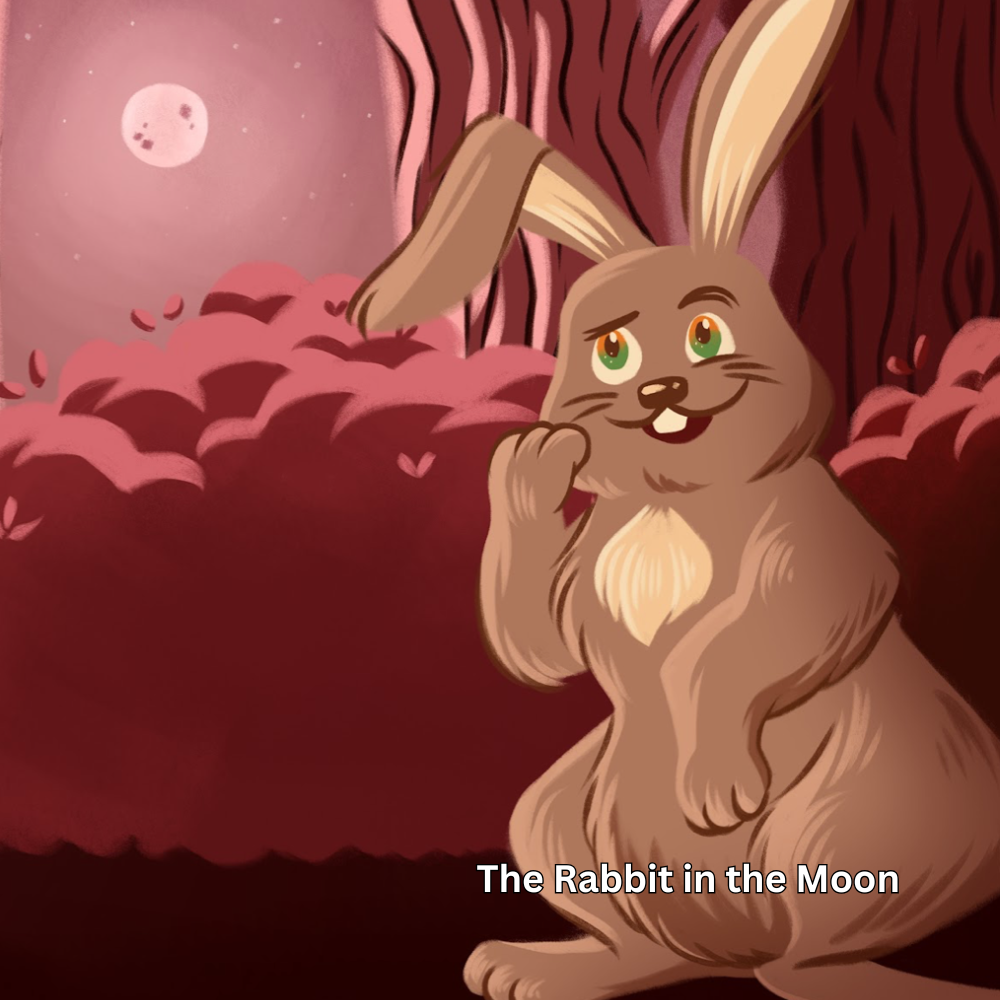
A rabbit character helps toddlers identify big feelings and practice tiny brave steps in a safe, story-based way.
How Parents Can Use Rabbit Stories to Build Real-Life Bravery
Here’s a simple, toddler-friendly method you can use during storytime:
Step 1: Ask what the rabbit is feeling
“Do you think the rabbit feels worried?”
Step 2: Ask where the feeling lives in the body
“Does the rabbit’s tummy feel funny?”
Step 3: Ask what one tiny brave hop looks like
“What’s one small thing the rabbit could try?”
Step 4: Connect it gently to your child’s world
“Have you ever felt like that before?”
Toddlers don’t need a lecture. They need repetition, warmth, and language they can borrow.
For more big-feelings support, keep this one handy:
https://www.yabbitrabbit.com/parent-resources/big-feelings-in-children-how-to-help-your-child-cope
Why The Rabbit in the Moon Works So Well for Bedtime Emotional Growth
Bedtime is when many toddlers feel their worries most strongly. Darkness, separation, and quiet can make feelings feel bigger.
That’s why The Rabbit in the Moon was written as a story that lives at night. It gives children a gentle, comforting framework: even when things feel uncertain, tiny brave steps are possible.
If nighttime worries are common in your home, this post pairs naturally:
https://www.yabbitrabbit.com/parent-resources/how-color-helps-children-overcome-nighttime-fears
A Final Word
Rabbits work as emotional-growth characters because they make small bravery feel normal. They give toddlers an emotionally safe “someone else” to talk about, and then, quietly, they teach children how to talk about themselves.
For toddlers, emotional intelligence doesn’t grow through big speeches. It grows through stories, repetition, warmth, and small steps.
One tiny hop at a time.