Punch the monkey went viral for a reason. Not because he’s “cute.” Because the story hits something human: what it feels like to be on the outside looking in.
Punch is a baby Japanese macaque at Ichikawa City Zoo in Japan. Reports describe him as abandoned by his mother and struggling to integrate with the troop, finding comfort by clinging to a stuffed toy (often described as a plush orangutan). People watched that and recognized a familiar feeling: the kid at school who wants to join, but freezes. The child who hovers near the group, hoping someone makes it safe.
This post is about the brave choice that changes everything: approaching the hesitant kid and making room for them. That’s not “being nice.” That’s courage.
Here’s How to Start
If your child struggles socially, teach one simple move: “Be the first brave step.”
Today, encourage your child to approach one quiet kid and say: “Want to play with us?” Then stay with them for 30 seconds so it doesn’t feel like a spotlight.
If your child is the one who hesitates, this post supports that moment: https://www.yabbitrabbit.com/parent-resources/help-child-refuses-to-try-new-things
The Punch Story, in One Sentence
Punch’s story went viral because he appeared isolated after being abandoned, and viewers saw him clinging to a plush toy while caretakers worked to help him integrate with other monkeys.
There are also clips that upset people. In response, the zoo and other reports described some interactions as typical social behavior during integration, while emphasizing Punch’s resilience and continued socializing.
I’m not sharing this as animal commentary. I’m sharing it because kids see this story too, and it opens a doorway to one of the most important social-emotional lessons we can teach:
It’s brave to include someone who feels unsafe.
What This Teaches Kids About “The Outside”
In school, “outside” doesn’t always mean rejected. Sometimes it means:
“I want to join, but I don’t know how.”
“I’m scared they’ll say no.”
“I don’t want to look weird.”
“I’m not sure I belong.”
That’s hesitation. That’s a nervous system scanning for safety.
And here’s the key parenting truth:
The hesitant child isn’t waiting for confidence. They’re waiting for safety.
For the psychology behind hesitation (and why kids freeze before trying), this post goes deeper: https://www.yabbitrabbit.com/parent-resources/psychology-of-hesitation-in-children-yabbit-the-rabbit
The Brave Kid Isn’t Always the Loud Kid
Most kids think bravery is being bold.
But social bravery often looks like:
walking toward the kid who’s alone
offering a gentle invitation
staying nearby so the shy kid doesn’t feel exposed
trying again if the first attempt is awkward
That’s leadership. That’s character. That’s the kind of bravery that changes a child’s whole school year.
What to Teach Your Child to Say
Here are 5 “safe” scripts that don’t put pressure on the hesitant kid:
1) “Want to play with us?”
Simple. Direct. Warm.
2) “Do you want to be the helper?”
Gives a role. Roles create belonging.
3) “You can stand next to me.”
This is the magic sentence for shy kids. It removes the spotlight.
4) “We’re doing a tiny step first.”
This invites participation without overwhelming them.
5) “It’s okay if you’re quiet.”
This tells the child: you don’t have to perform to belong.
What to Teach Your Child to Do
Words help. But actions create safety.
1) Approach from the side, not the front
Front-on can feel like confrontation. Side-by-side feels like friendship.
2) Offer a “low-risk” first step
“Want to hold the ball?” “Want to choose the color?”
Tiny steps beat big demands.
3) Stay with them for 30–60 seconds
The worst feeling for a shy kid is being invited, then immediately left alone. Stay close until the nervous system settles.
4) Don’t over-celebrate them in public
Inclusion should feel normal, not like a performance.
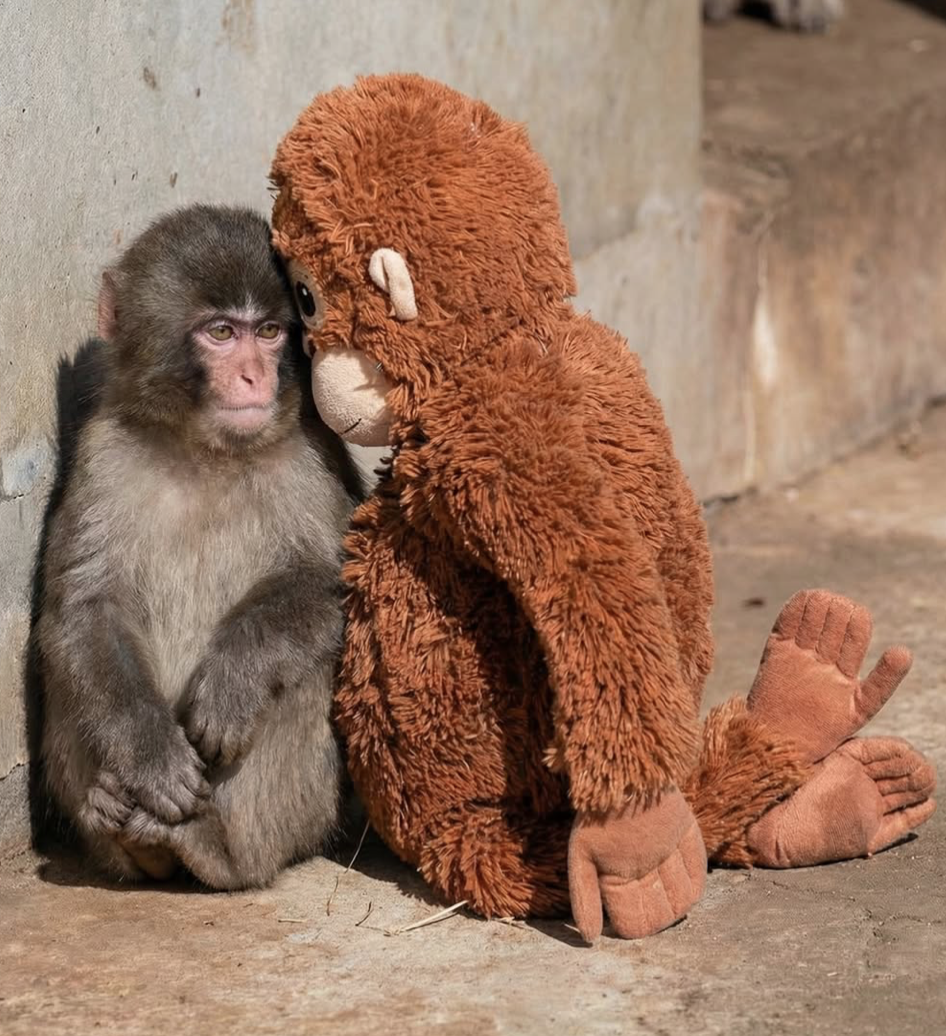
It takes one brave person to make the outside feel safe.
How This Connects to Yabbit and Tiny Brave Steps
Yabbit was created for the child who pauses at the edge. Not because that child is broken. Because that child is human.
In The Rabbit in the Moon, the message is simple: bravery doesn’t have to be loud. It can be a tiny hop forward with a wobbly heart. That same truth applies socially:
a tiny brave step for the shy kid is standing closer
a tiny brave step for the “brave kid” is offering the invitation
the win is the start, not the perfect result
An Investment in Your Child
If your child is the one who hangs back, or if you want to raise the kid who notices and includes, The Rabbit in the Moon was written for those moments.
It’s a bedtime picture book that gives children language for fear and hesitation, and a repeatable framework for courage: tiny brave steps. Not pressure. Not perfection. Just the next small hop.
If the story helps your family, leaving one honest review tomorrow helps the next family find it.
FAQs
1) How do I help my child include a shy kid at school?
Teach one simple line (“Want to play with us?”) and one simple action (stay nearby for 30 seconds so it feels safe).
2) What if the shy child says no?
That’s okay. Encourage your child to try again later with a lower-pressure option: “You can just stand next to me.”
3) How do I help my child who is the one avoiding others?
Focus on tiny brave steps: standing closer, watching first, joining for one minute. Don’t force big social leaps.
4) Why do some kids avoid joining even when they want friends?
Hesitation is often a safety response: fear of rejection, fear of judgment, or overwhelm in groups.
5) What’s the best thing a teacher can do for hesitant kids?
Pair them with a kind “bridge kid,” give them a role, and keep early participation low-stakes.
6) How can a story help a child with social anxiety or shyness?
Stories let kids practice feelings through characters first, which reduces shame and increases emotional vocabulary.
7) What are “tiny brave steps” in social situations?
Small, doable actions: one hello, one question, standing nearby, joining for 60 seconds, trying again tomorrow.