Show, Don’t Tell: Bringing Yabbit the Rabbit to Life Through Illustration
Great picture books don’t just tell stories—they show them. I’m learning how to let my illustrator, Rodrigo, visually express Yabbit the Rabbit’s world, emotions, and actions so children can connect with the story through art.
First Look: Yabbit the Rabbit Character Sketches by Illustrator Rodrigo Lazo
The first body sketches of Yabbit the Rabbit are here! Illustrator Rodrigo Lazo has brought our main character to life with expressive, human-like traits that perfectly match the tone and action of our story introducing Yabbit the Rabbit.

Character Design Begins: Bringing Yabbit the Rabbit to Life
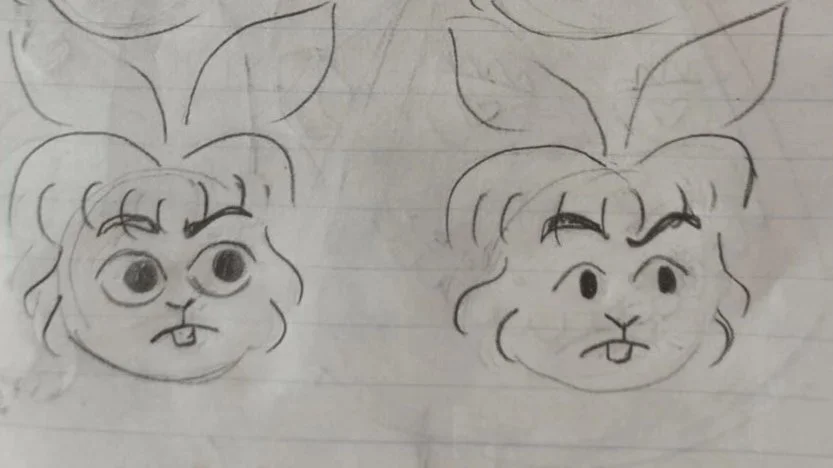
After finalizing our illustrator/author agreement, Rod began the first round of Yabbit the Rabbit character sketches. Using photos of my mother and me for inspiration, we developed anthropomorphic characters that feel deeply human—and it’s incredible to see my mother’s idea finally come to life.
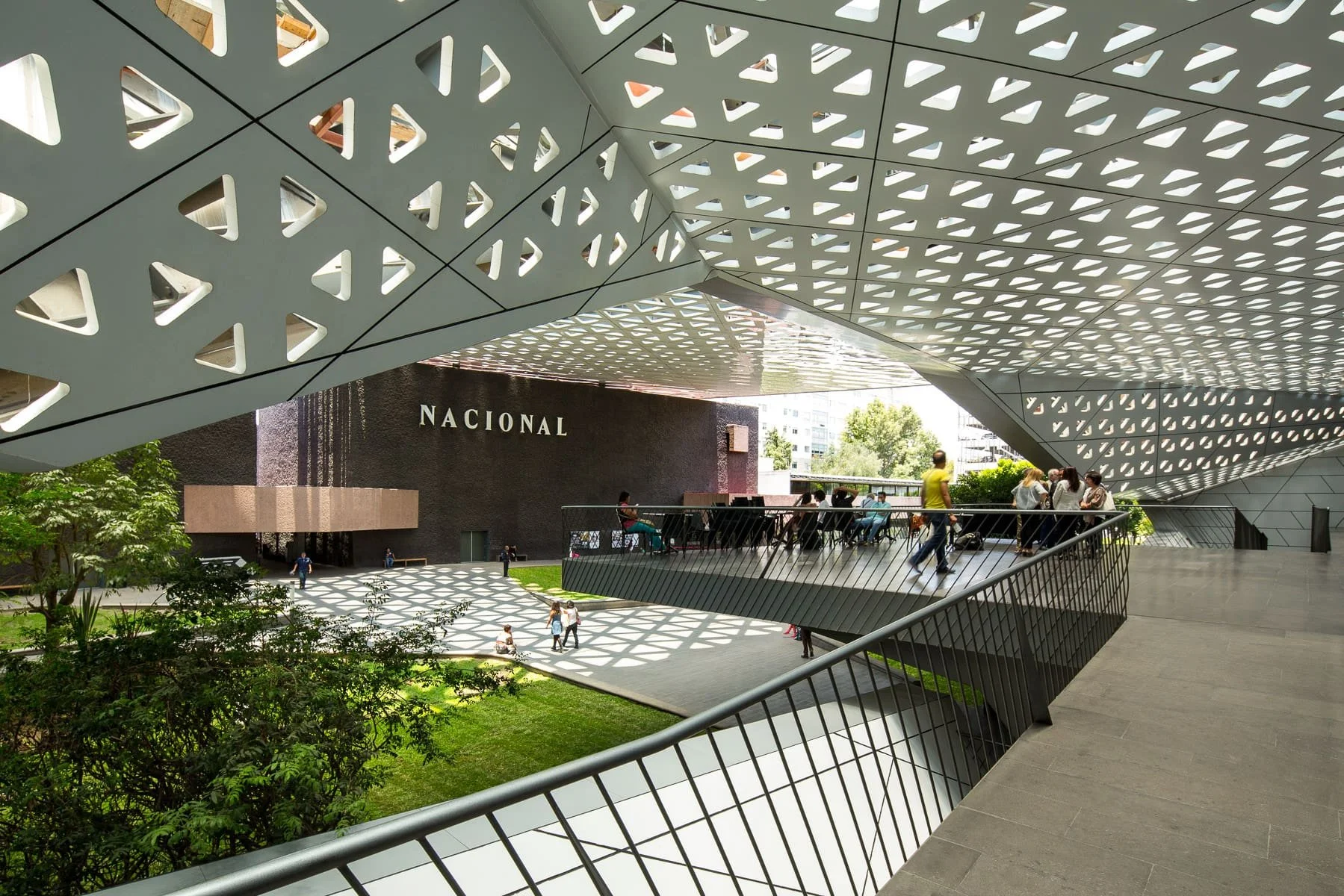
Meeting My Illustrator: How a Chance Connection Brought Yabbit the Rabbit to Life
When a barista introduced me to her friend, a digital artist at Cineteca Nacional de México, I had no idea that conversation would lead me to the perfect illustrator for Yabbit the Rabbit. This post shares how one meeting changed everything and why creative connections matter.

Finding the Right Illustrator for My Children’s Book: The Search Begins
The story is written, the characters are developed, and now comes one of the most exciting steps, finding an illustrator. In this post, I share where I’m looking, what I’ve learned, and how an unexpected café conversation might lead me to the perfect artist for Yabbit the Rabbit.

Her Final Song: Saying Goodbye to My Mother and Understanding the Final Stage of Alzheimer’s
After a long flight from Mexico City to Pittsburgh, I sat beside my mother in her memory care room and read her Yabbit the Rabbit. Hours later, surrounded by lifelong friends and her favorite song, she took her final breath. This post reflects on her passing and explains what families can expect in the final stage of Alzheimer’s.

When the Phone Ringing Means the End Is Near: My Mother’s Alzheimer’s Journey
That evening the call came: Mom’s health had taken a turn for the worse. She had lost her speech, was resting on the floor instead of her bed, and the end of her life seemed near. In this emotional post I share what late-stage Alzheimer’s looks like—and why our children’s book Yabbit the Rabbit now carries a deeper meaning.
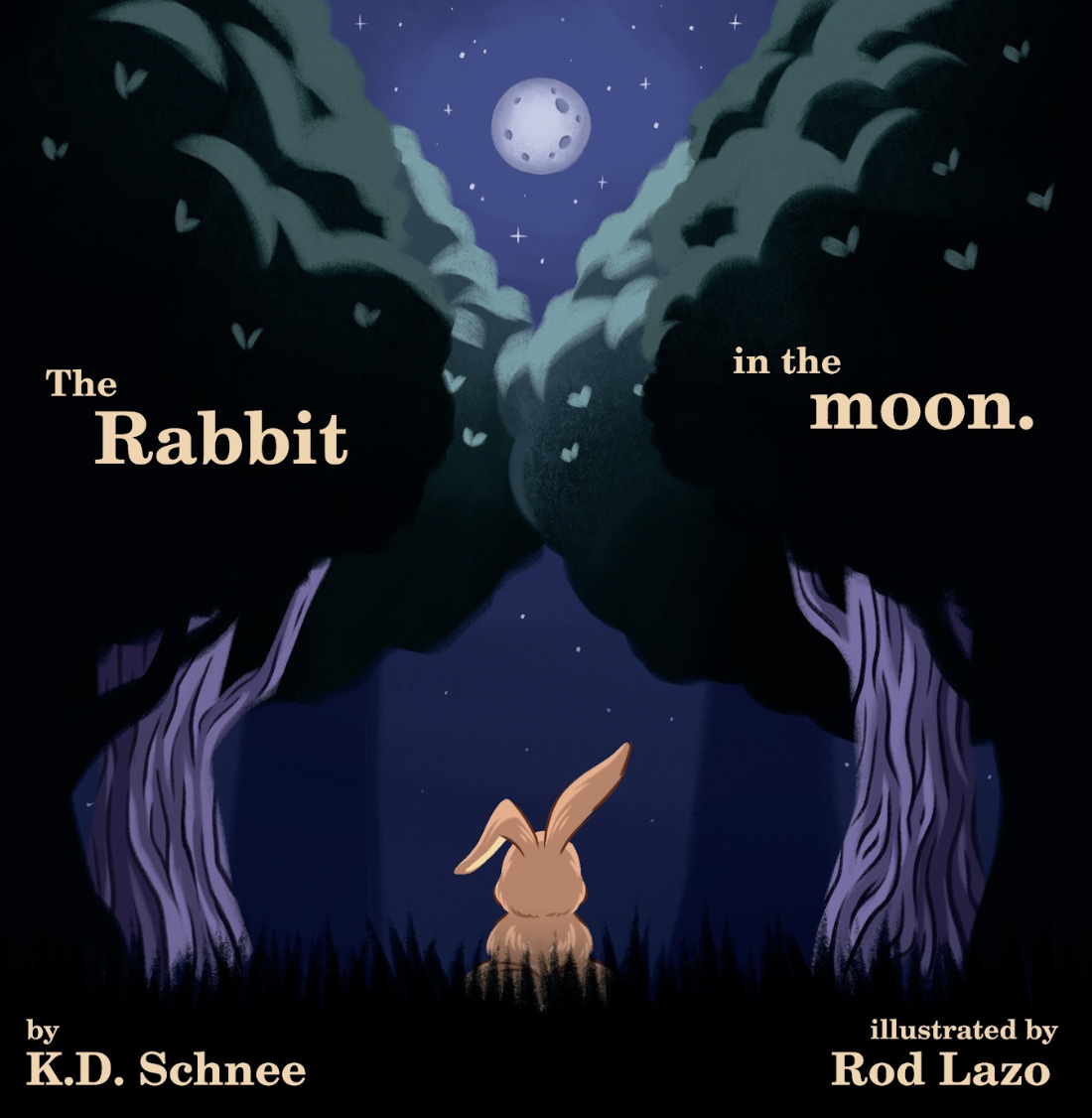
Why I Chose the Andika Font for The Rabbit in the Moon: Dyslexia-Friendly Design, Early Readers, and Accessible Storytime
The font in a children’s book is not a small detail. I chose Andika for The Rabbit in the Moon because it was designed for literacy, beginning readers, and clear letterforms. Here is why that matters for children with dyslexia, early readers, and families who want storytime to feel beautiful, inclusive, and easier to enter.

Can Reading Help Lower Alzheimer’s Risk? Why I Encourage Aging Parents to Keep Reading
Reading cannot guarantee protection from Alzheimer’s disease, but research around cognitive engagement, cognitive reserve, and brain health suggests that mentally active habits may help support memory and thinking over time. For KD Schnee, this topic is deeply personal. His mother’s Alzheimer’s journey helped inspire Yabbit the Rabbit and The Rabbit in the Moon.

A Race Against Time: The Story Behind Yabbit the Rabbit’s Creation
Yabbit the Rabbit was created in a race against time. From a mother’s early spark of imagination to her son’s journey of rediscovery years later, this is the emotional story of how love, memory, and courage brought a children’s book to life.

The Origin of Yabbit the Rabbit: How “No Yeah-Buts” Became a Children’s Book About Courage
Yabbit the Rabbit began with one mother’s phrase: “No yeah-buts.” What started as a loving response to childhood hesitation became the heart of The Rabbit in the Moon, a picture book created to help hesitant children take one small brave hop forward.