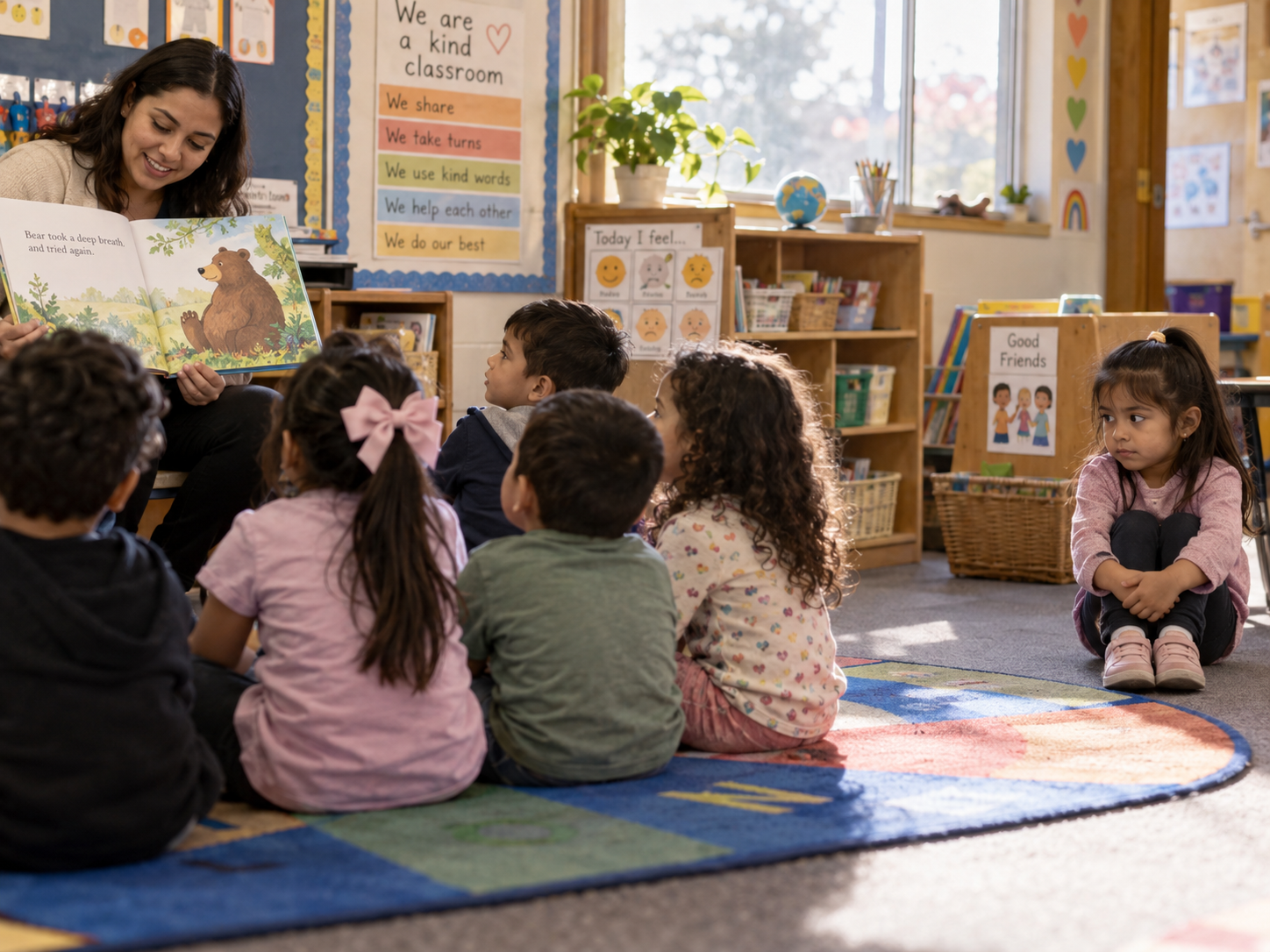
Selective Mutism in Preschool: How Parents and Teachers Can Help Without Pressuring a Child to Speak
A preschooler may talk freely at home yet become unable to speak at school. Selective mutism is an anxiety disorder, not stubbornness or a choice to stay silent. Learn how parents and teachers can lower pressure, support communication, work together, and help a child receive appropriate professional support.
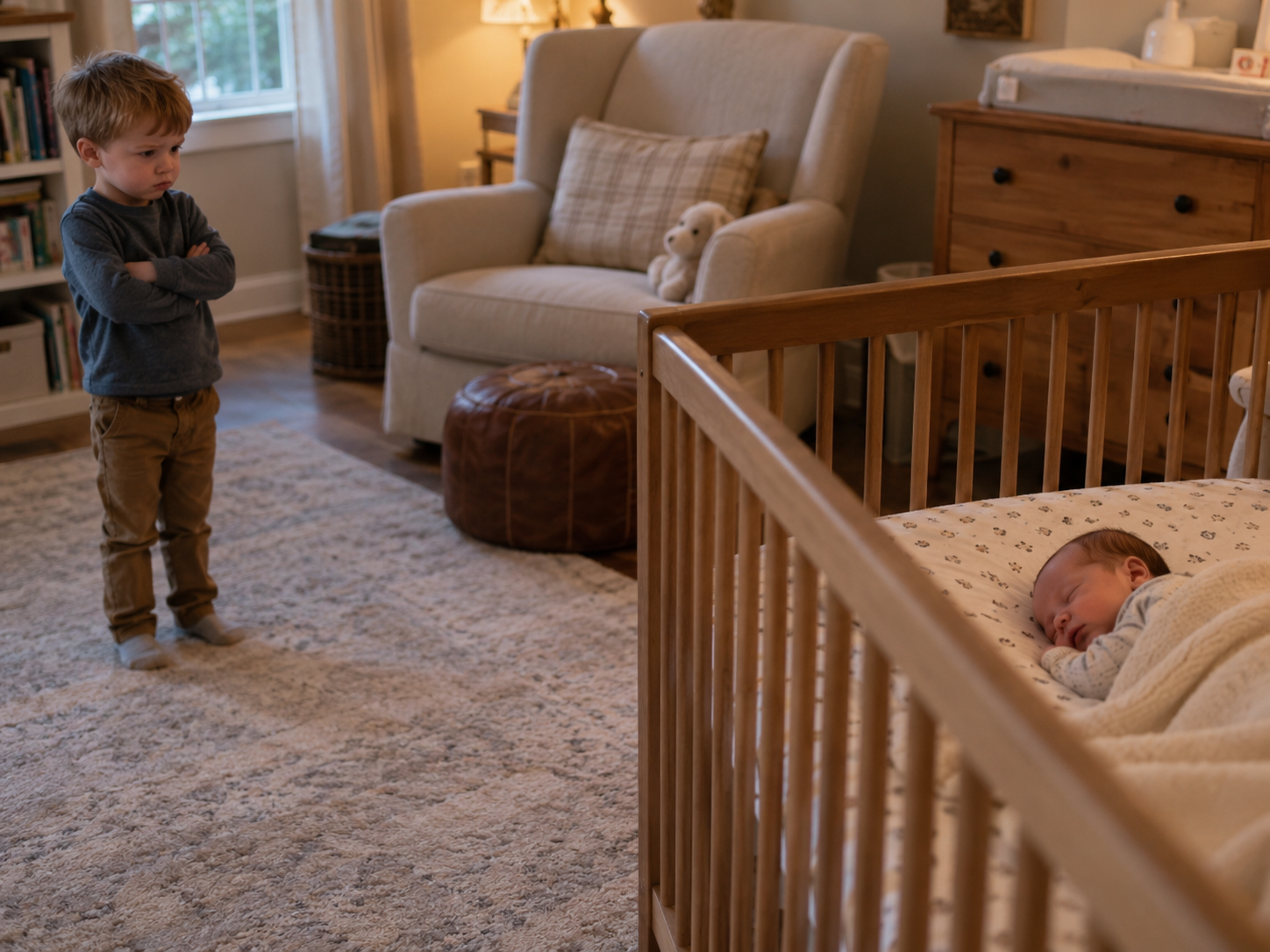
New Sibling Regression: Why Older Children Start Acting Younger After a Baby Arrives
A child who was happily using the potty, sleeping independently, or doing things “all by myself” may suddenly want bottles, diapers, carrying, or much more help after a new baby arrives. Sibling regression is often less about losing skills than about adjusting to a family that suddenly feels different.
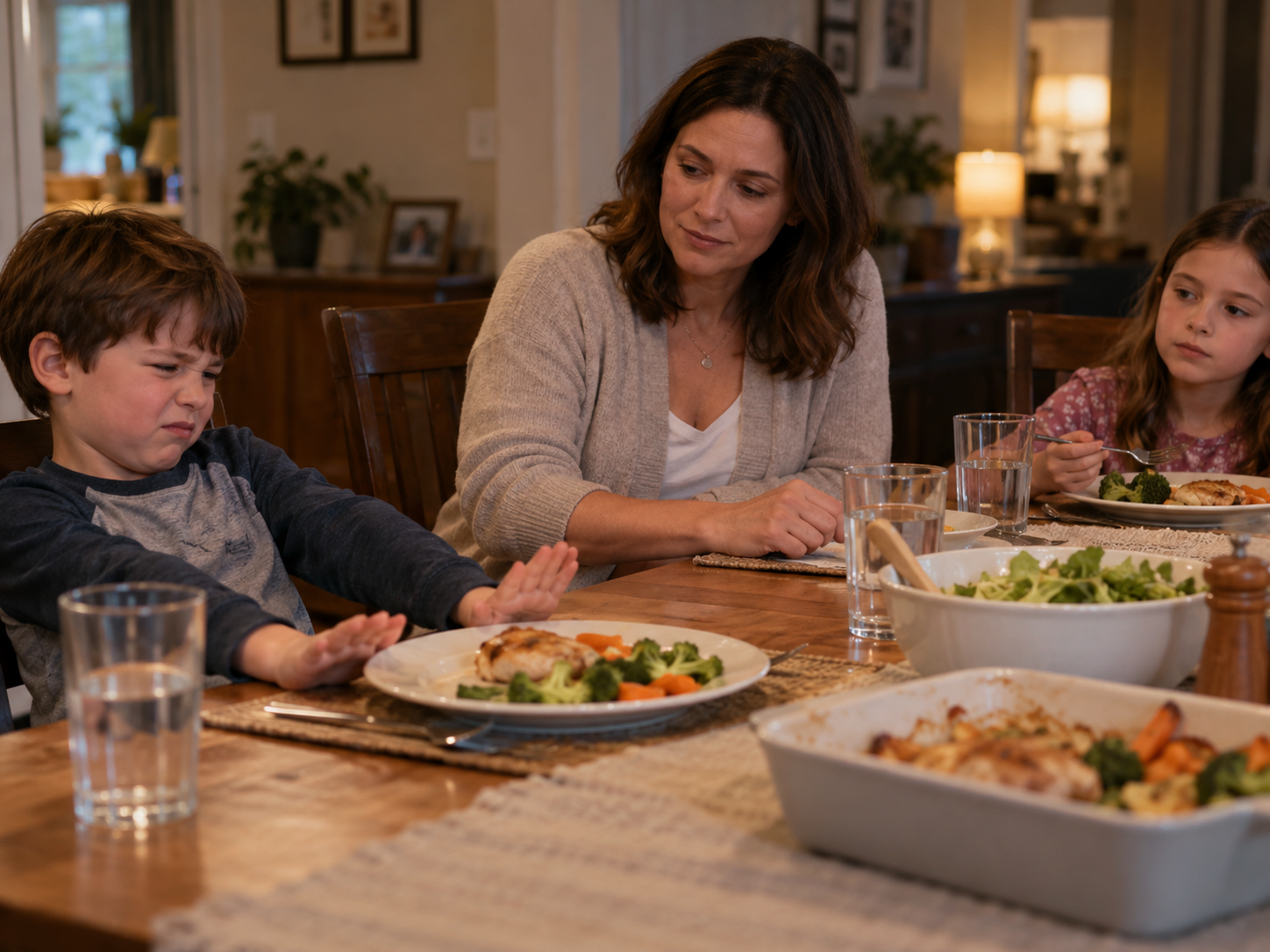
Picky Eating Without the Power Struggle: Helping Kids Try New Foods With Less Pressure
When every unfamiliar food is met with “no,” dinner can quickly become a negotiation neither parent nor child enjoys. Learn how to help a picky eater become more comfortable with new foods through repeated exposure, less pressure, and manageable steps rather than turning every meal into a test.
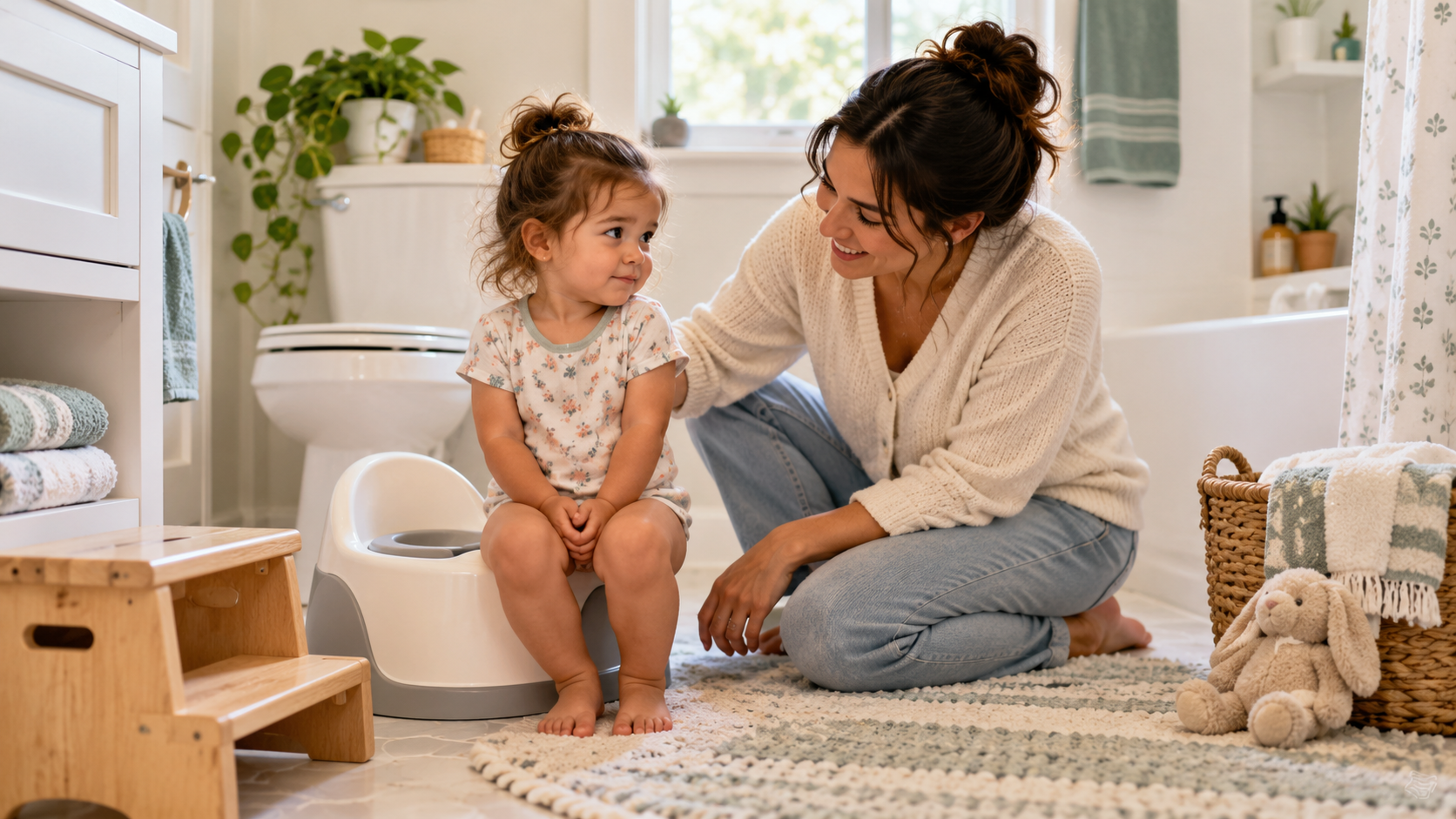
When Your Child Is Afraid of the Potty: Gentle Ways to Ease Toilet Training Anxiety
A child who refuses the potty may be afraid of flushing, falling in, letting go of poop, or repeating a painful bowel movement. Learn how to make toilet training feel safer without turning the bathroom into a daily power struggle.

Best Picture Books for 4 Year Olds: 25 Stories Kids Want to Hear Again
The best picture books for 4 year olds are the stories children ask to hear again. At this age, books should invite laughter, build language, support emotional growth, stretch imagination, and help children feel confident enough to join the story.

Best Books for 4–5 Year Olds: 21 Picture Books Kids Love
A parent-focused guide to the best books for 4–5 year olds, organized by what children actually need most: laughter, emotional language, confidence, and wonder.