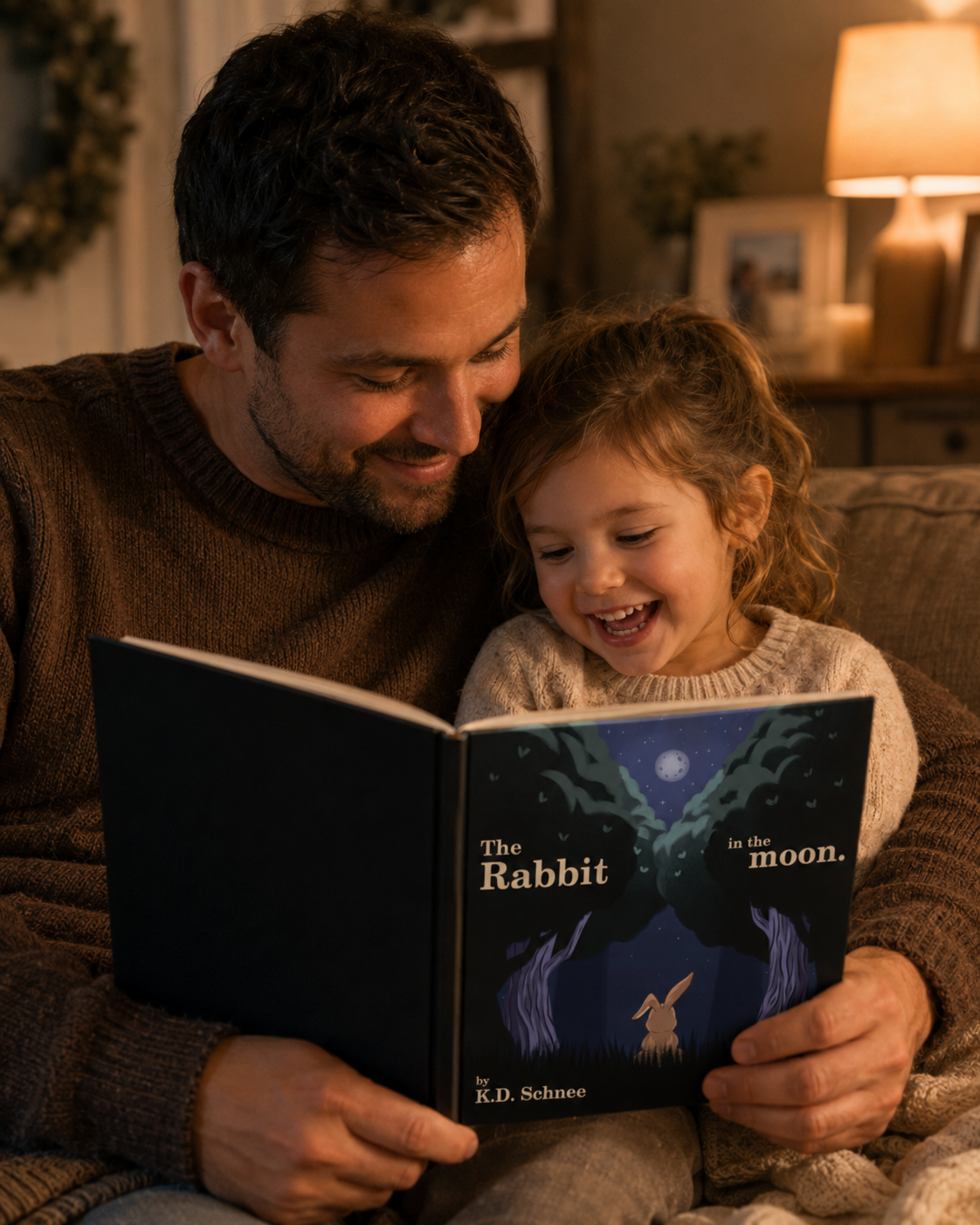
How to Read a Picture Book With Your Child So the Story Stays With Them
Reading a picture book with your child is not about performing the perfect storytime. It is about pausing, pointing, noticing feelings, asking gentle questions, and helping the story become language your child can use later in real life.
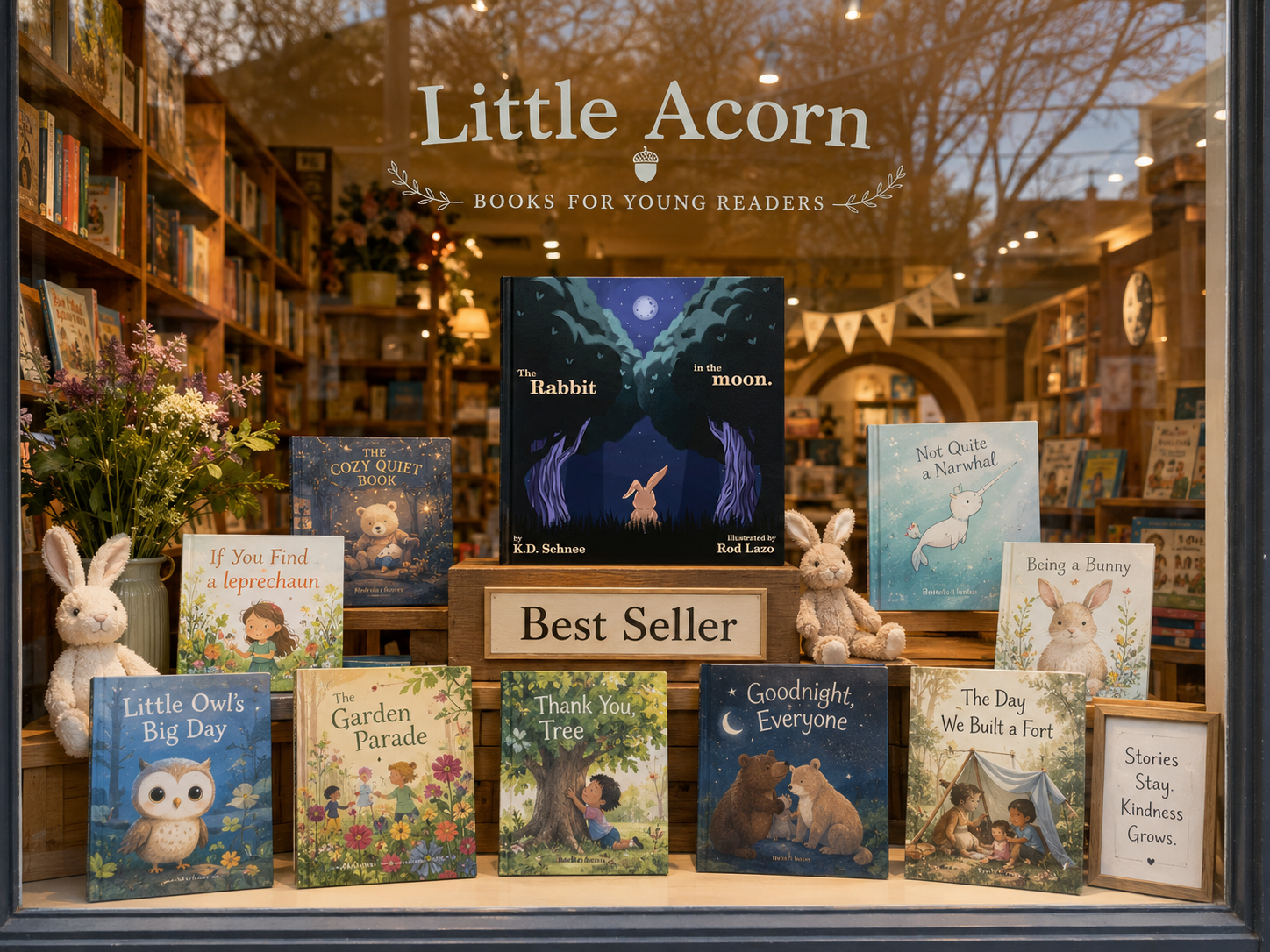
How to Choose Picture Books That Teach Values Without Preaching
The best picture books that teach values do not lecture children. They let children watch a character make choices, face feelings, recover from mistakes, and take one small brave step forward. Here is how to choose values-based picture books that actually reach a child.
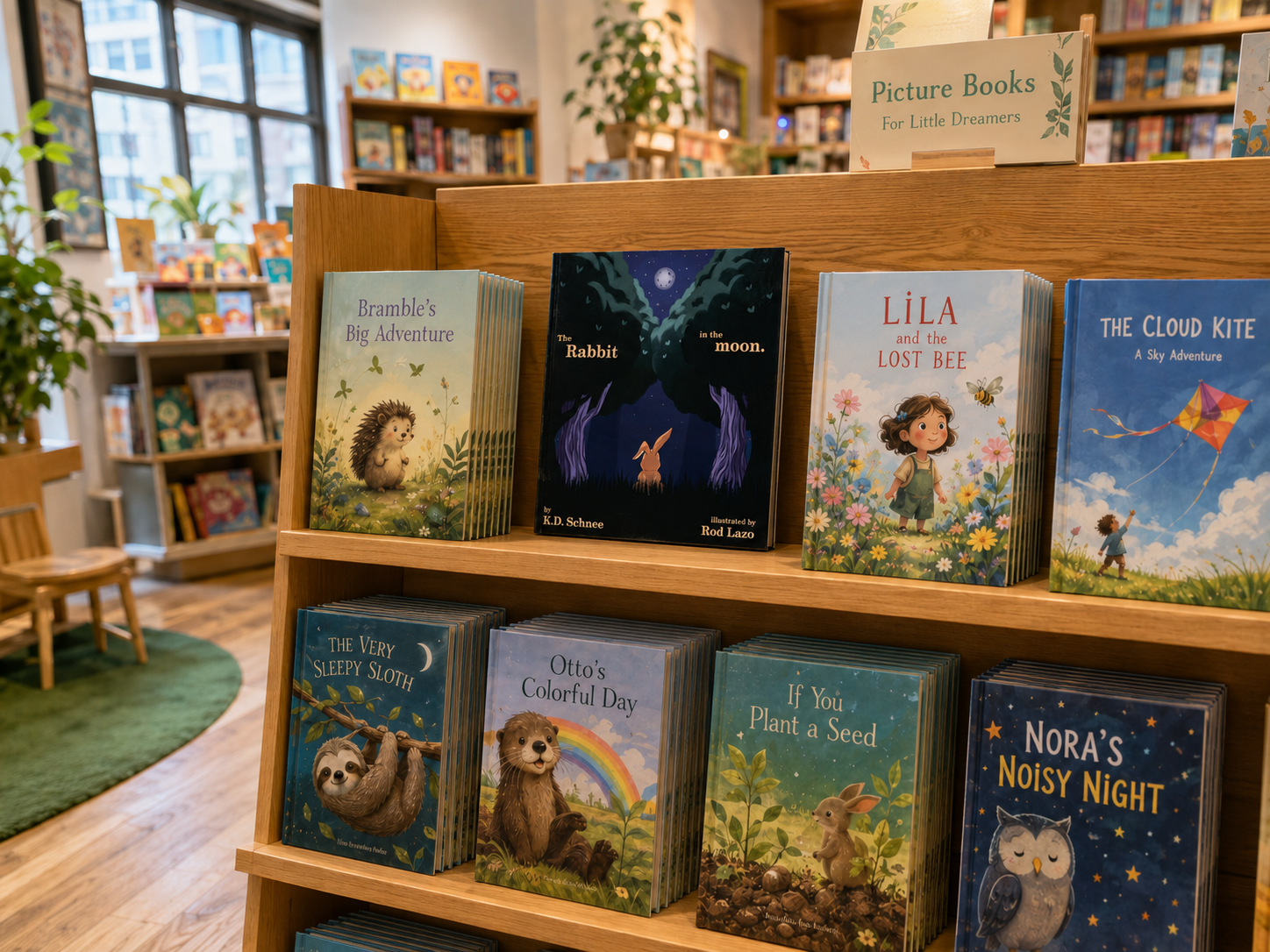
Picture Books by Age: How to Choose the Right Story for Your Child’s Stage and Feelings
The best picture book for a child is not only about age. It is about stage, attention, language, feelings, and what the child is learning to face. Here is how to choose picture books for ages 2–8, and why emotionally rich stories like The Rabbit in the Moon can grow with a child.
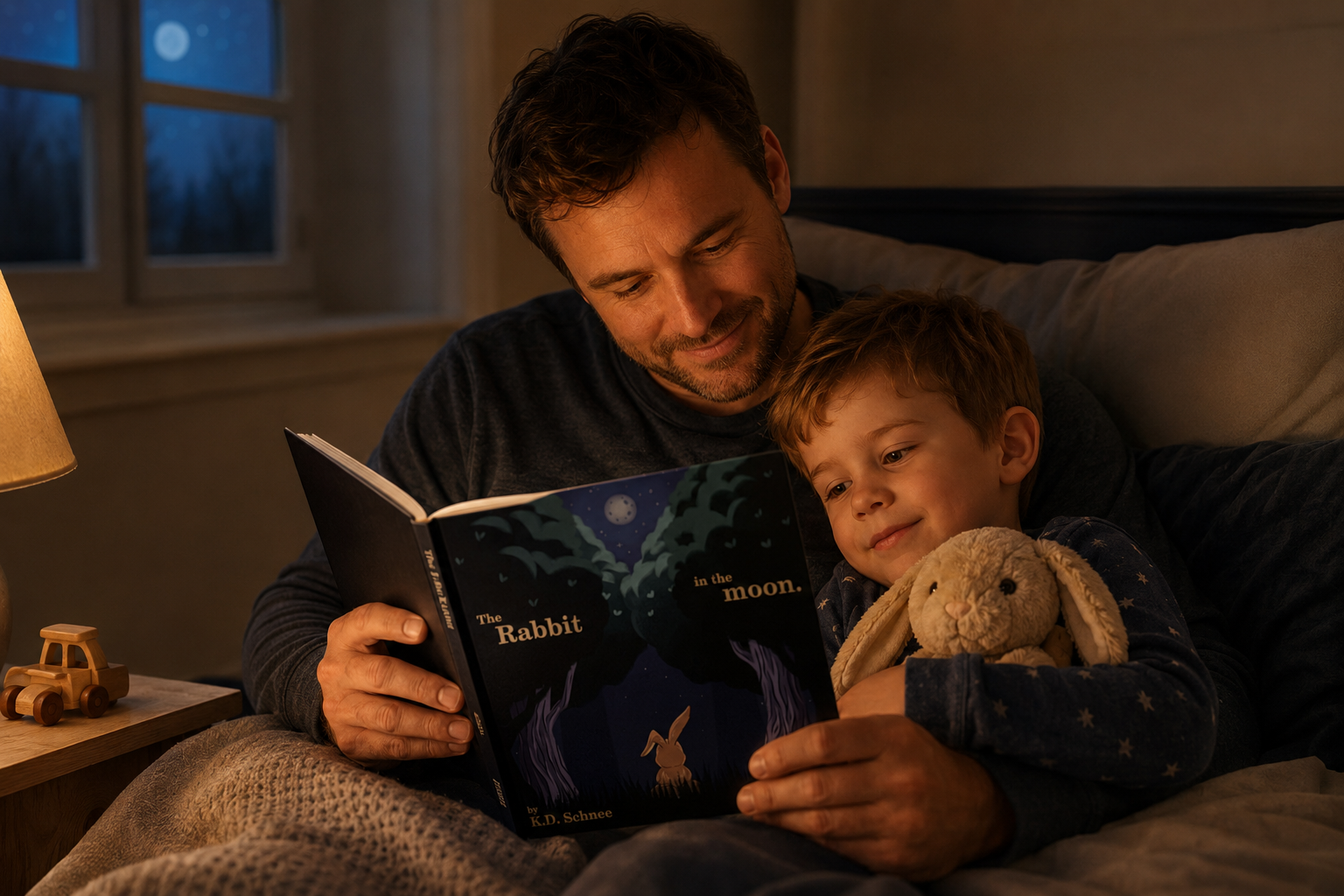
Picture Books vs. Early Readers: Which Is Better for a Hesitant Child?
Early readers help children practice decoding words. Picture books help children read feelings, build connection, and understand hard moments through story and illustration. For hesitant children, both can matter, but they do different jobs.

What Makes a Picture Book Worth Buying? A Parent’s Guide Beyond Price
A picture book is worth buying when it becomes more than one bedtime read. The best books are asked for again, create connection, give families useful language, help with real emotional moments, and offer meaning through both words and illustrations.
How to Choose a Picture Book for a Hesitant Child: What Parents Should Look For
The best picture book for a hesitant child is not always the loudest, funniest, or most popular one. It is the story that helps a child feel seen, name what feels hard, and imagine one small brave step forward.
Why The Rabbit in the Moon Is One of the Best Picture Books for 3-Year-Olds: Yabbit the Rabbit Teaches Language, Feelings, and Tiny Brave Hops
Three-year-olds are learning how to use words, understand feelings, and take small steps into the world. The Rabbit in the Moon helps young children build emotional language, feel seen in moments of hesitation, and practice tiny brave hops when something feels too big.

How I Learned to Write in Rhyme: The Craft Behind The Rabbit in the Moon
Writing a children’s book in rhyme looks simple until you try to do it well. KD Schnee shares how he went from one unfinished line on a San Diego beach to learning the rhythm, structure, humility, and discipline behind The Rabbit in the Moon.
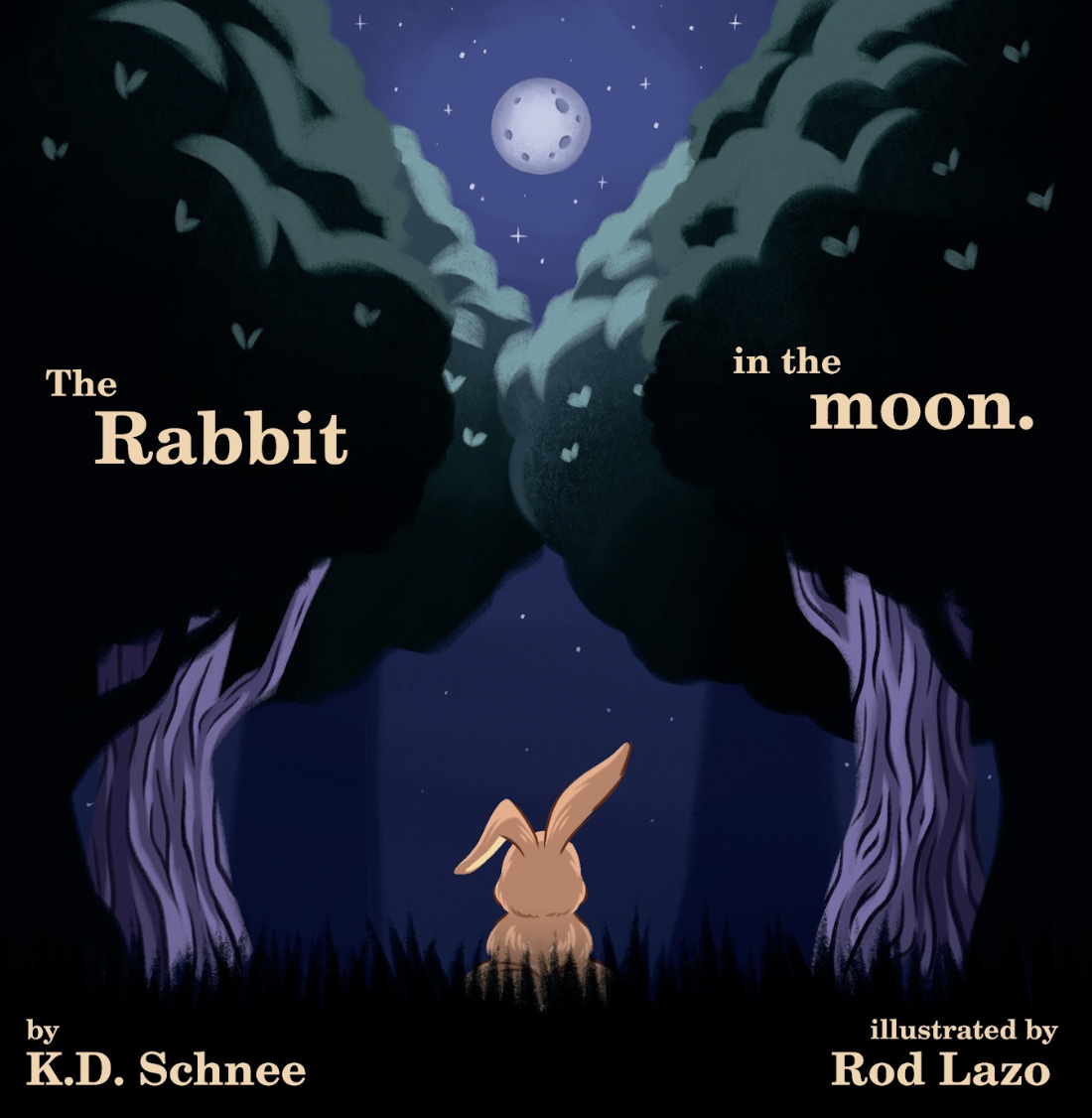
Why I Chose the Andika Font for The Rabbit in the Moon: Dyslexia-Friendly Design, Early Readers, and Accessible Storytime
The font in a children’s book is not a small detail. I chose Andika for The Rabbit in the Moon because it was designed for literacy, beginning readers, and clear letterforms. Here is why that matters for children with dyslexia, early readers, and families who want storytime to feel beautiful, inclusive, and easier to enter.