
How to Choose the Right Anxiety Book for Your Child
The right anxiety book for your child is not always the most popular one. It is the story that matches your child’s actual worry, respects their feelings, and gives them language for one small next step.
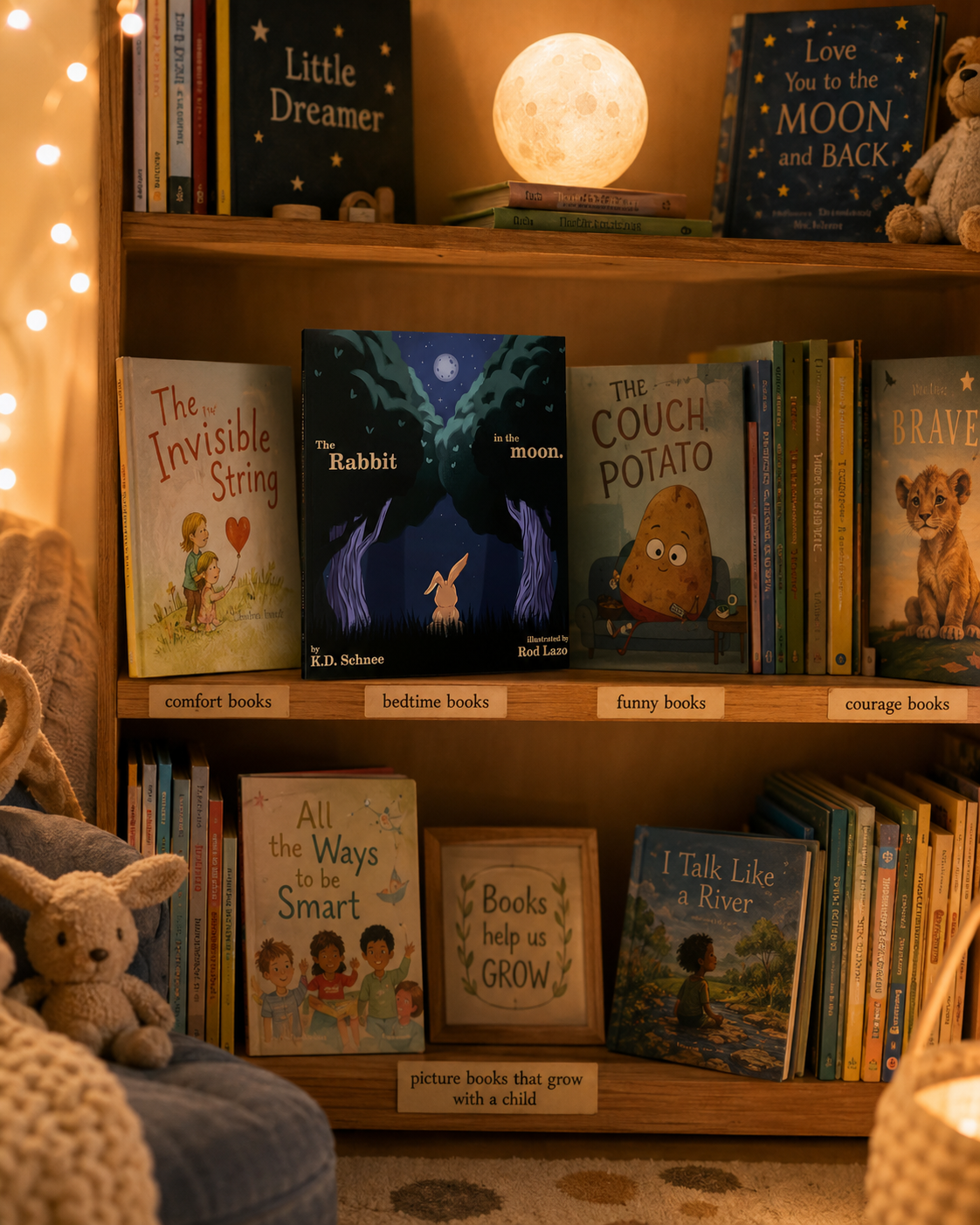
How to Build a Children’s Book Collection That Grows With Your Child
A strong children’s book collection is not just a pile of pretty books. It is a balanced shelf that grows with your child, offering comfort, laughter, courage, emotional language, bedtime connection, and stories that help with real family moments.
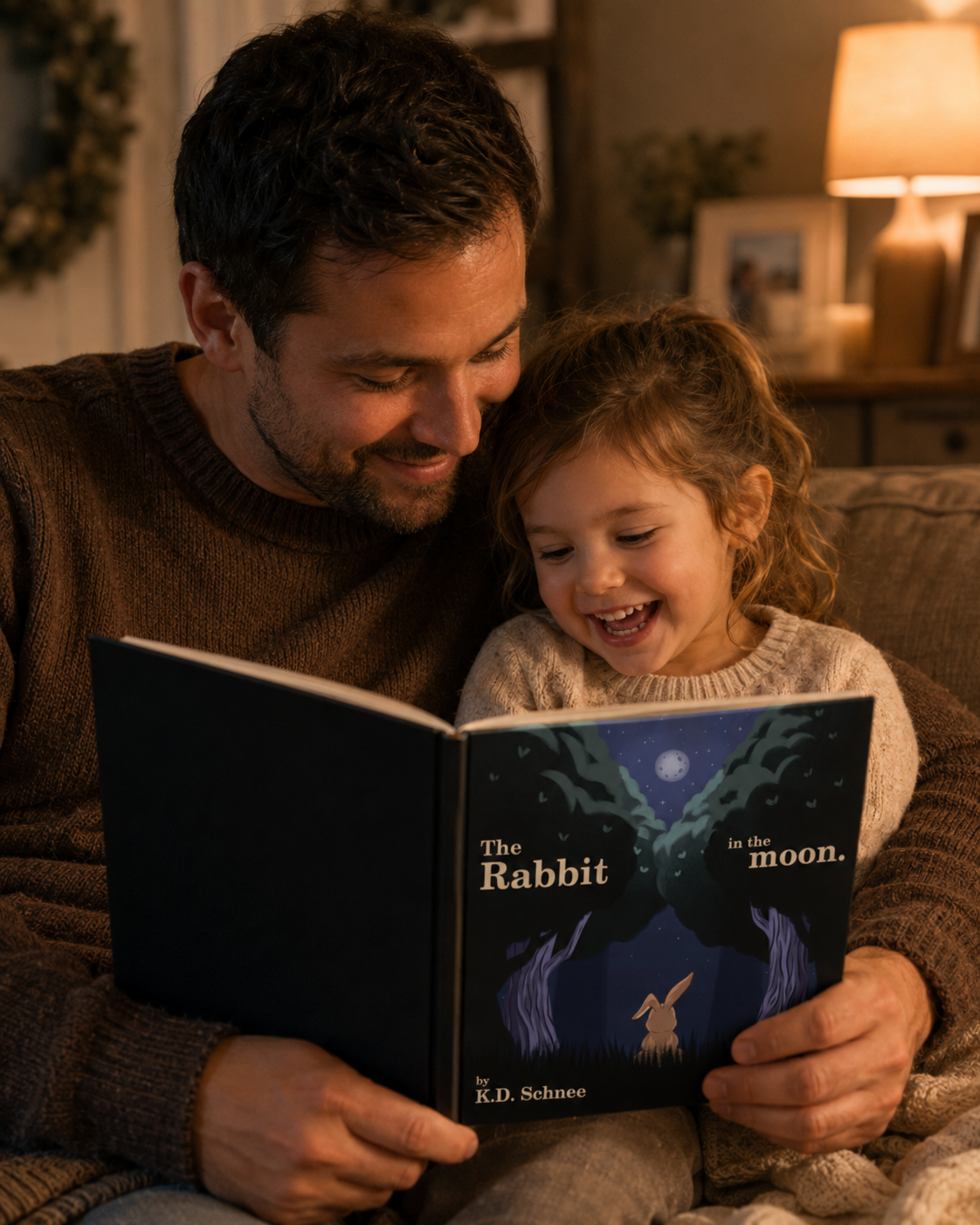
How to Read a Picture Book With Your Child So the Story Stays With Them
Reading a picture book with your child is not about performing the perfect storytime. It is about pausing, pointing, noticing feelings, asking gentle questions, and helping the story become language your child can use later in real life.
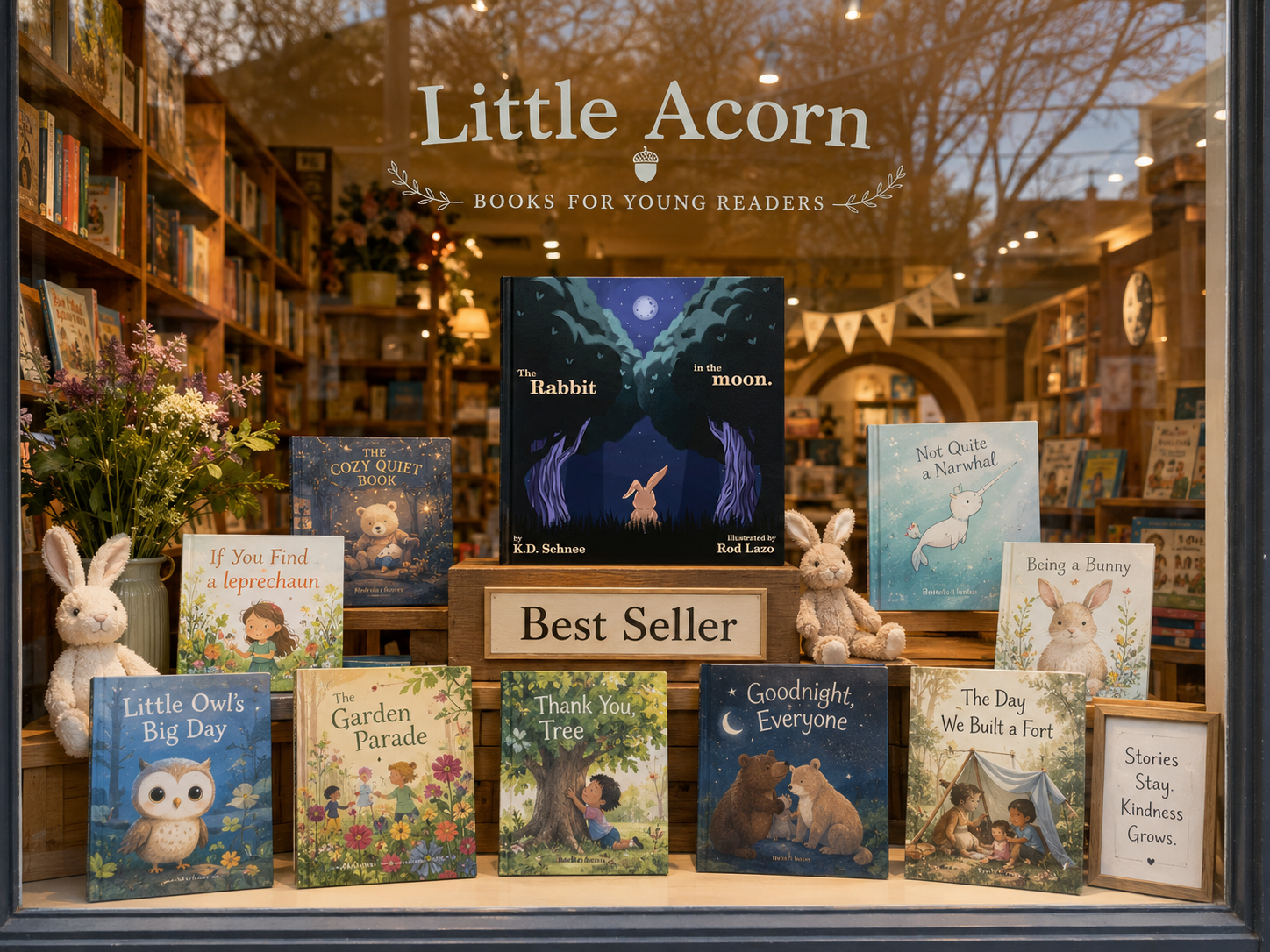
How to Choose Picture Books That Teach Values Without Preaching
The best picture books that teach values do not lecture children. They let children watch a character make choices, face feelings, recover from mistakes, and take one small brave step forward. Here is how to choose values-based picture books that actually reach a child.
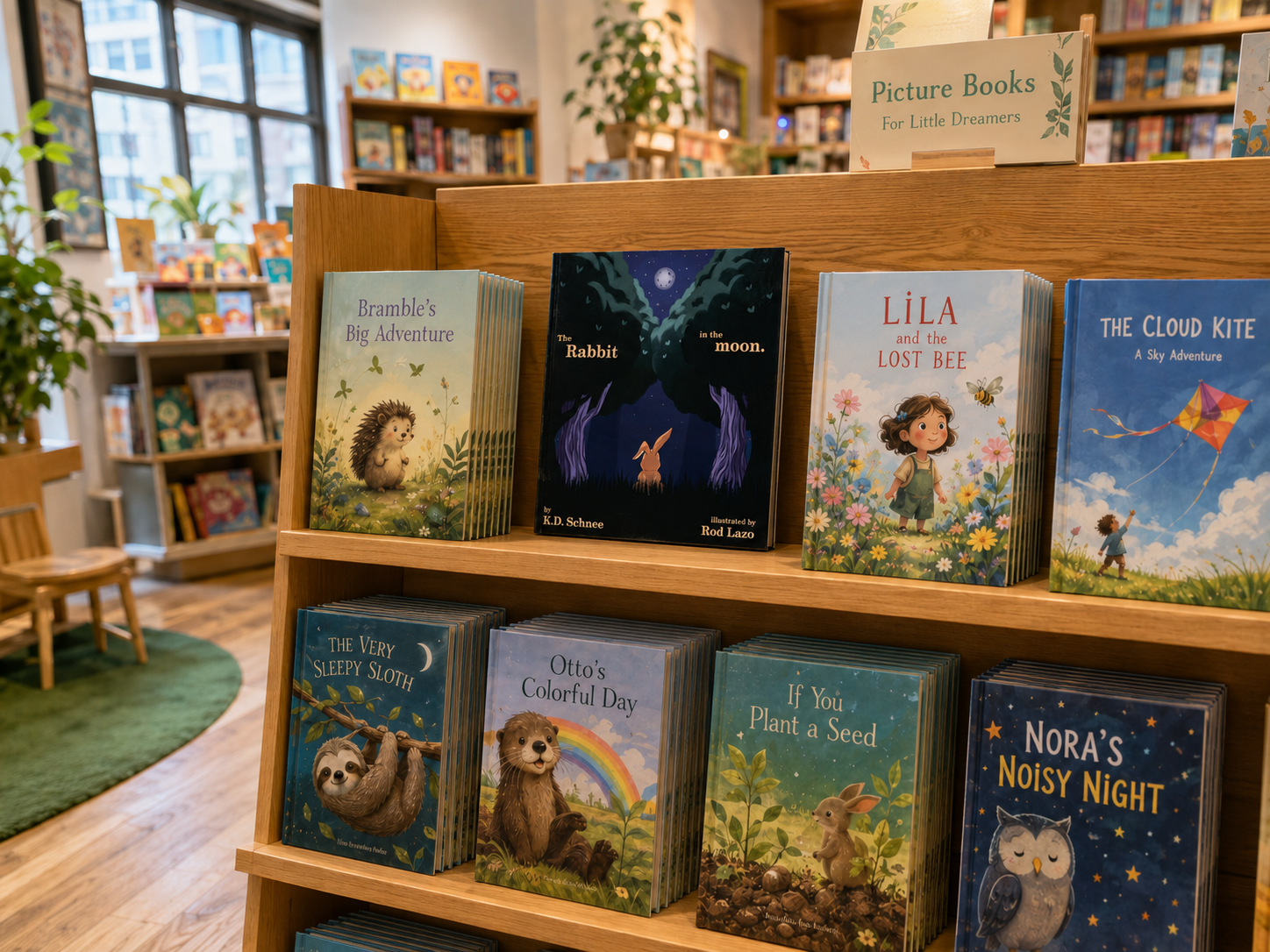
Picture Books by Age: How to Choose the Right Story for Your Child’s Stage and Feelings
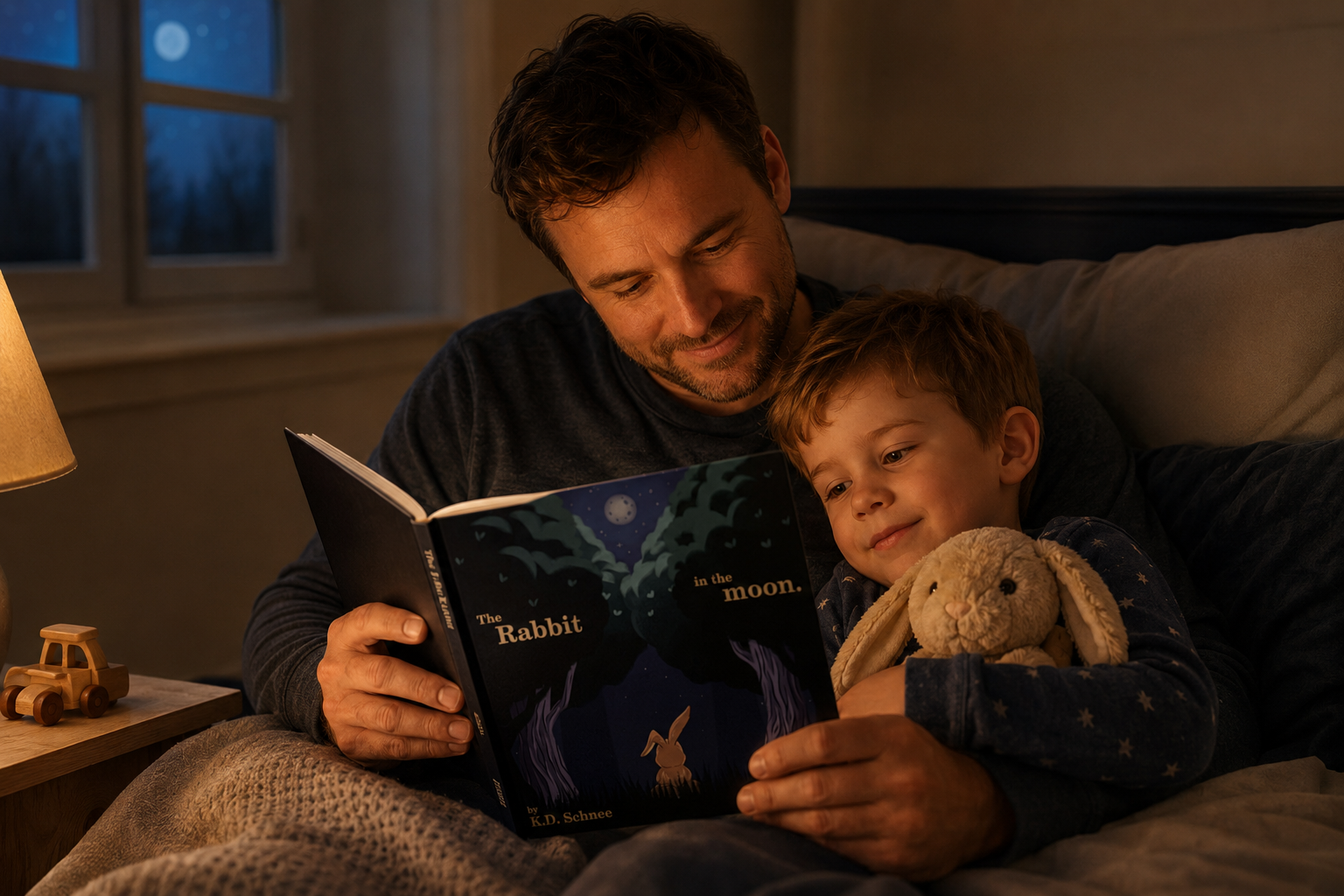
The best picture book for a child is not only about age. It is about stage, attention, language, feelings, and what the child is learning to face. Here is how to choose picture books for ages 2–8, and why emotionally rich stories like The Rabbit in the Moon can grow with a child.
Picture Books vs. Early Readers: Which Is Better for a Hesitant Child?
Early readers help children practice decoding words. Picture books help children read feelings, build connection, and understand hard moments through story and illustration. For hesitant children, both can matter, but they do different jobs.
Why The Rabbit in the Moon’s Illustrations Help Children Read Feelings Before Words
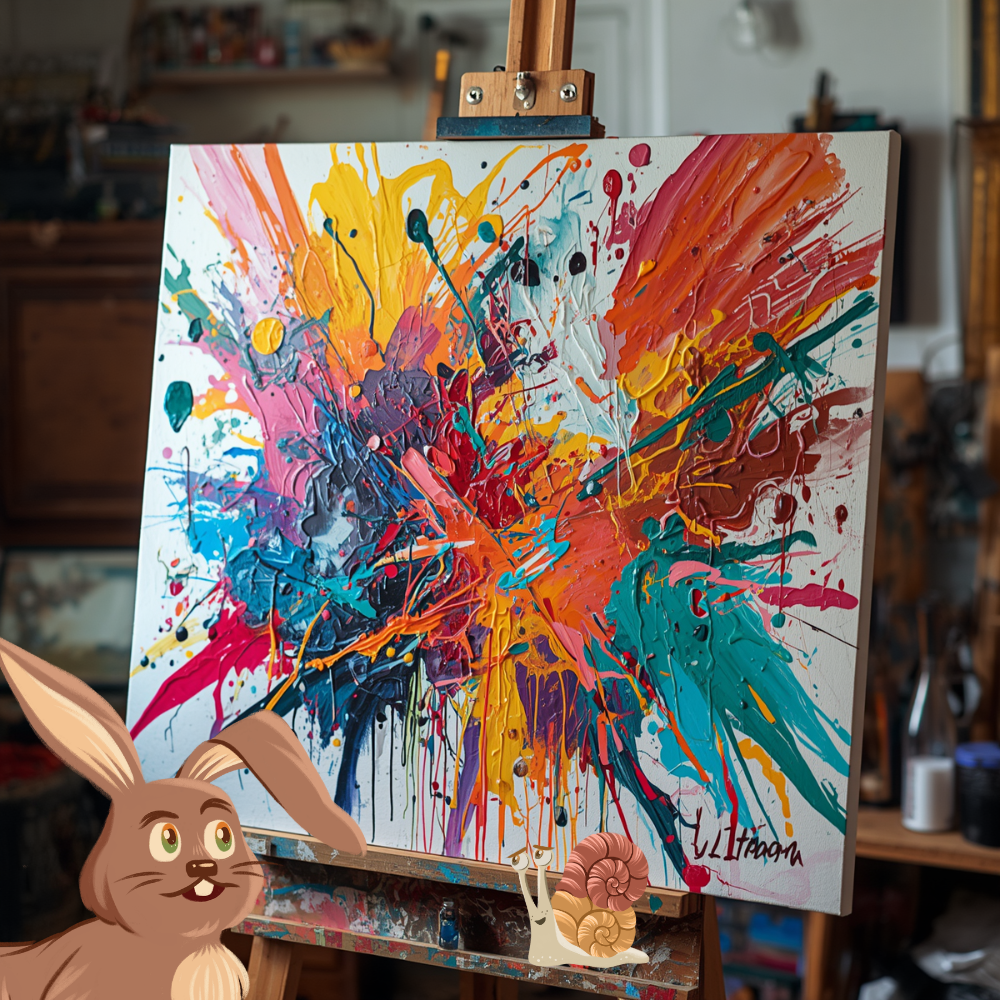
Children often understand feelings before they can explain them. The Rabbit in the Moon uses color, expression, atmosphere, and visual storytelling to help children notice hesitation, worry, courage, and tiny brave hops before they have all the words.

What Makes a Picture Book Worth Buying? A Parent’s Guide Beyond Price
A picture book is worth buying when it becomes more than one bedtime read. The best books are asked for again, create connection, give families useful language, help with real emotional moments, and offer meaning through both words and illustrations.
How to Choose a Picture Book for a Hesitant Child: What Parents Should Look For
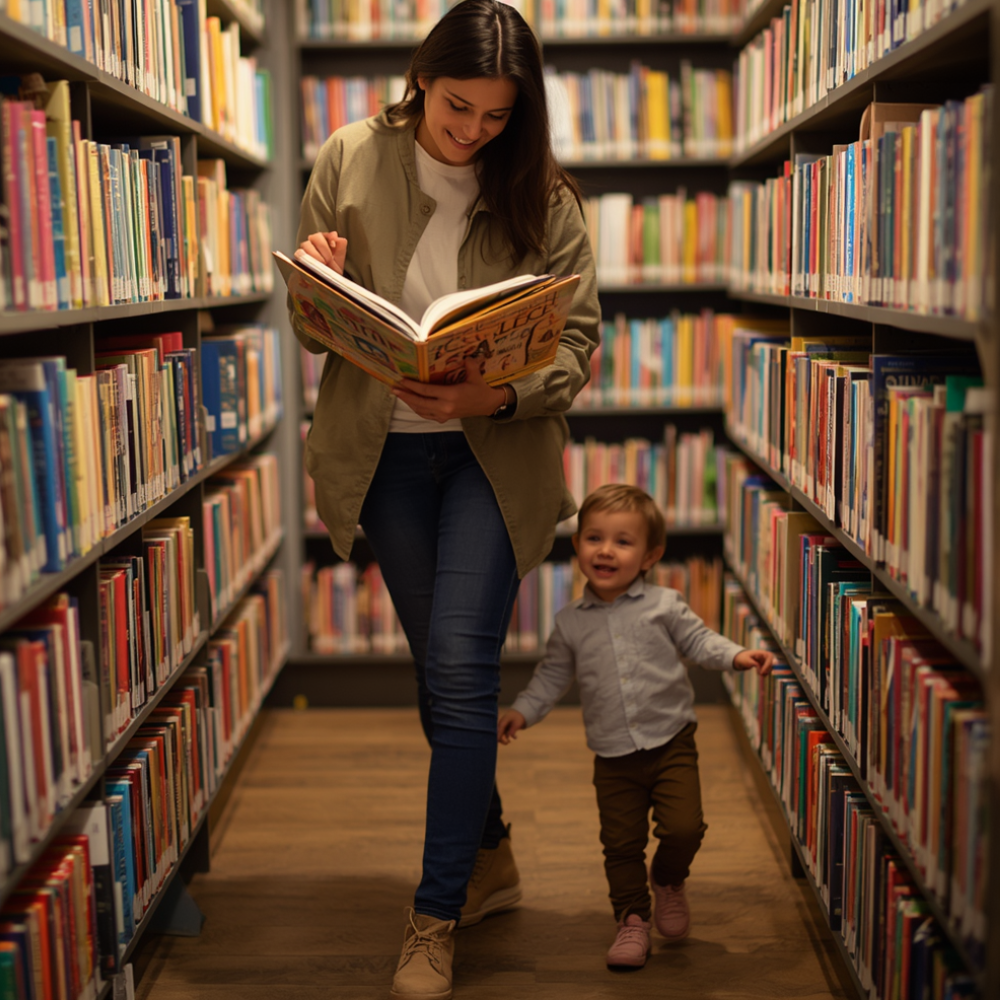
The best picture book for a hesitant child is not always the loudest, funniest, or most popular one. It is the story that helps a child feel seen, name what feels hard, and imagine one small brave step forward.
Summer Activities for Hesitant Kids: 7 Tiny Brave Hop Activities That Build Confidence Without Pressure
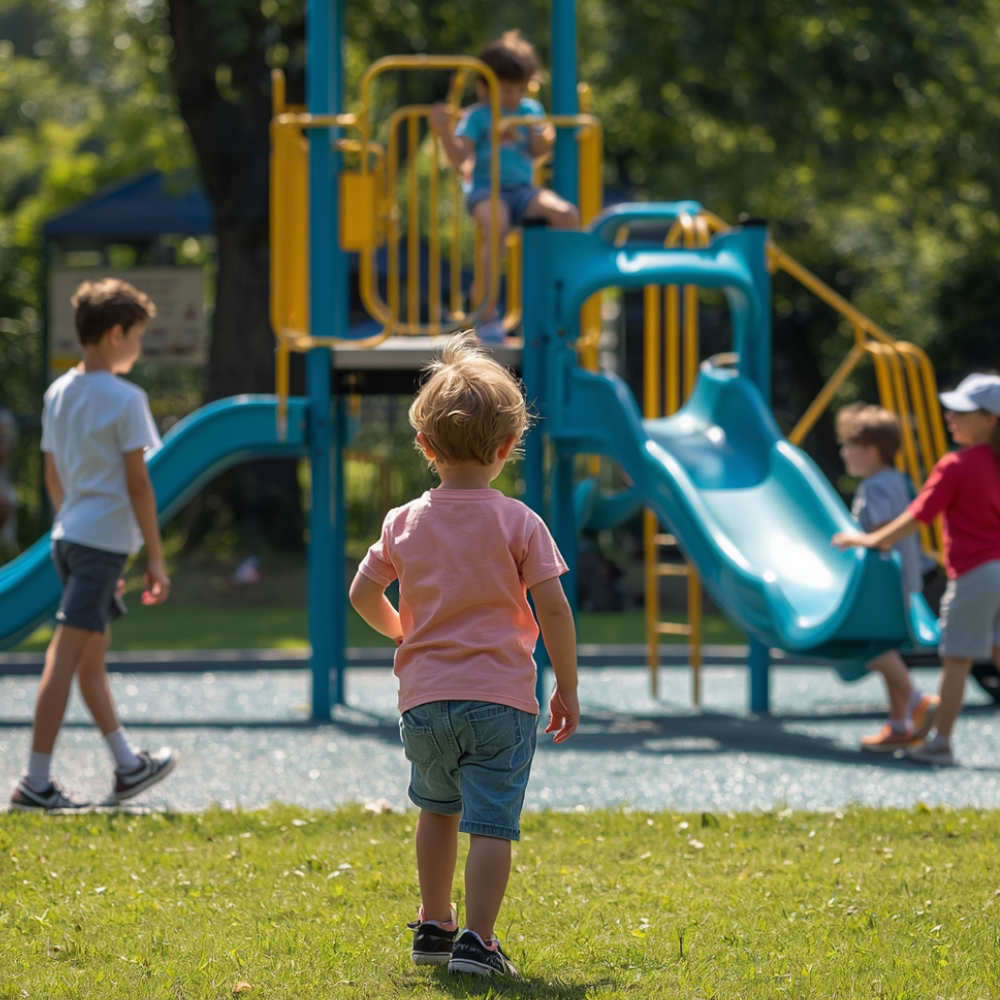
Summer is full of small chances to practice courage. These seven playful activities help hesitant children name what feels hard, make the first move smaller, and build confidence one tiny brave hop at a time.

Why The Rabbit in the Moon Is One of the Best Picture Books for 3-Year-Olds: Yabbit the Rabbit Teaches Language, Feelings, and Tiny Brave Hops
Three-year-olds are learning how to use words, understand feelings, and take small steps into the world. The Rabbit in the Moon helps young children build emotional language, feel seen in moments of hesitation, and practice tiny brave hops when something feels too big.
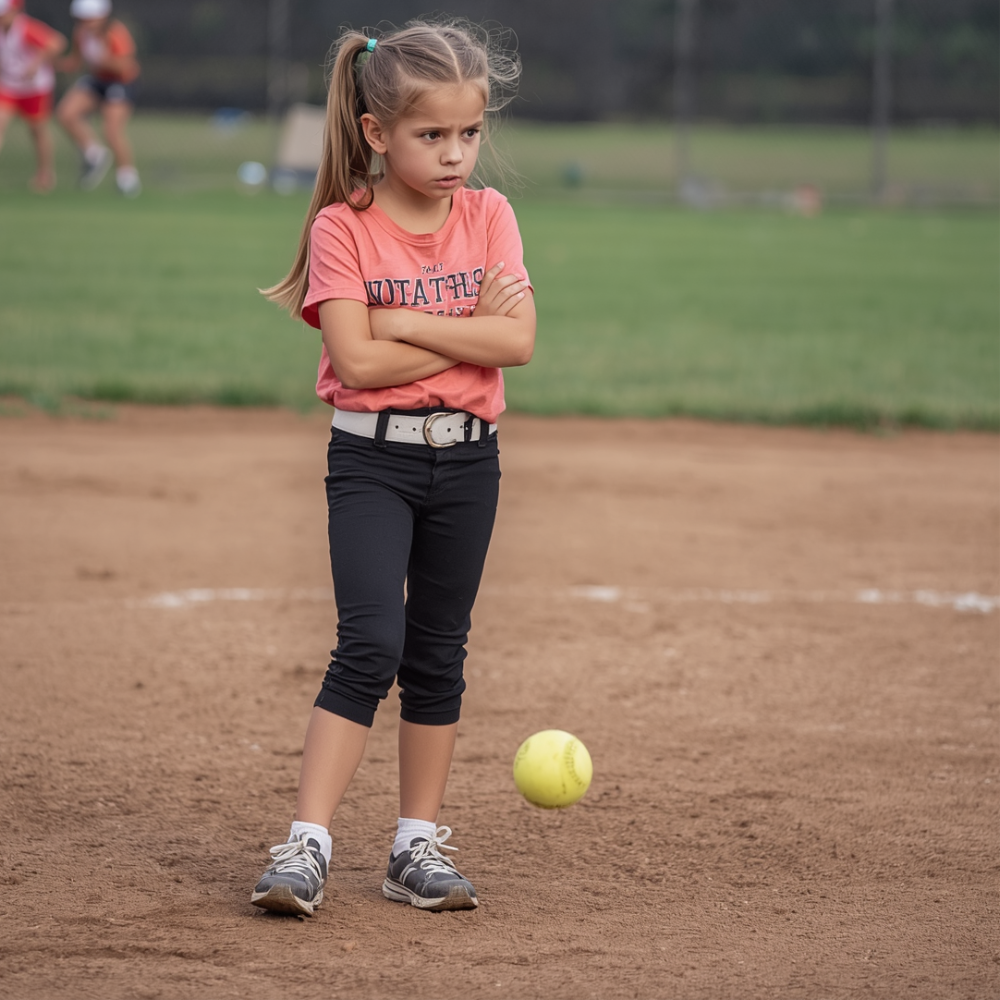
How to Help Kids Overcome Fear of Failing in Sports This Summer: The Yabbit Tiny Brave Hop Method
Summer sports can bring out a child’s courage, but they can also bring out fear, hesitation, and avoidance. Here is how Yabbit the Rabbit helps children who are afraid of failing in sports take one tiny brave hop at a time.
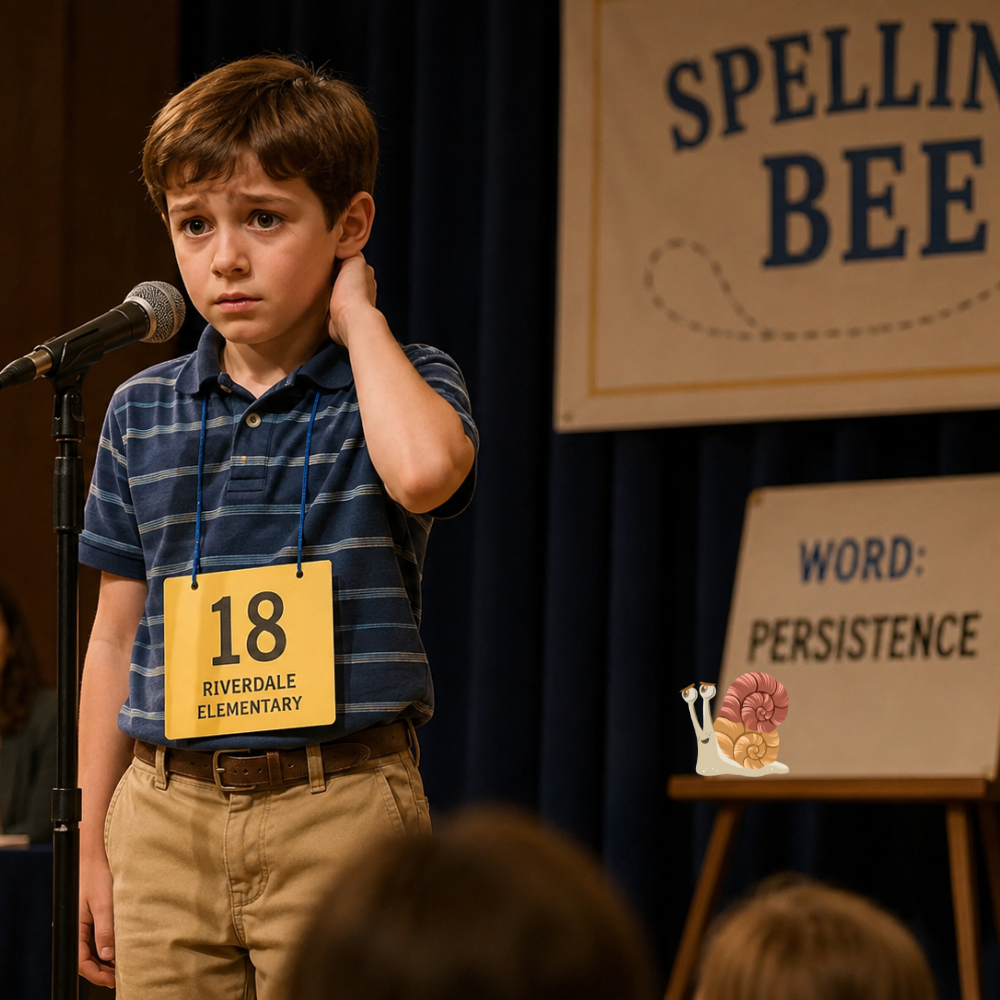
Picture Books About Perfectionism and Making Mistakes for Kids: Stories That Help Imperfection Feel Safe
Some children are not afraid because they do not care. They are afraid because they care so much that getting it wrong feels unsafe. These picture books about perfectionism and making mistakes help children see imperfection as part of learning, not proof that they should stop.
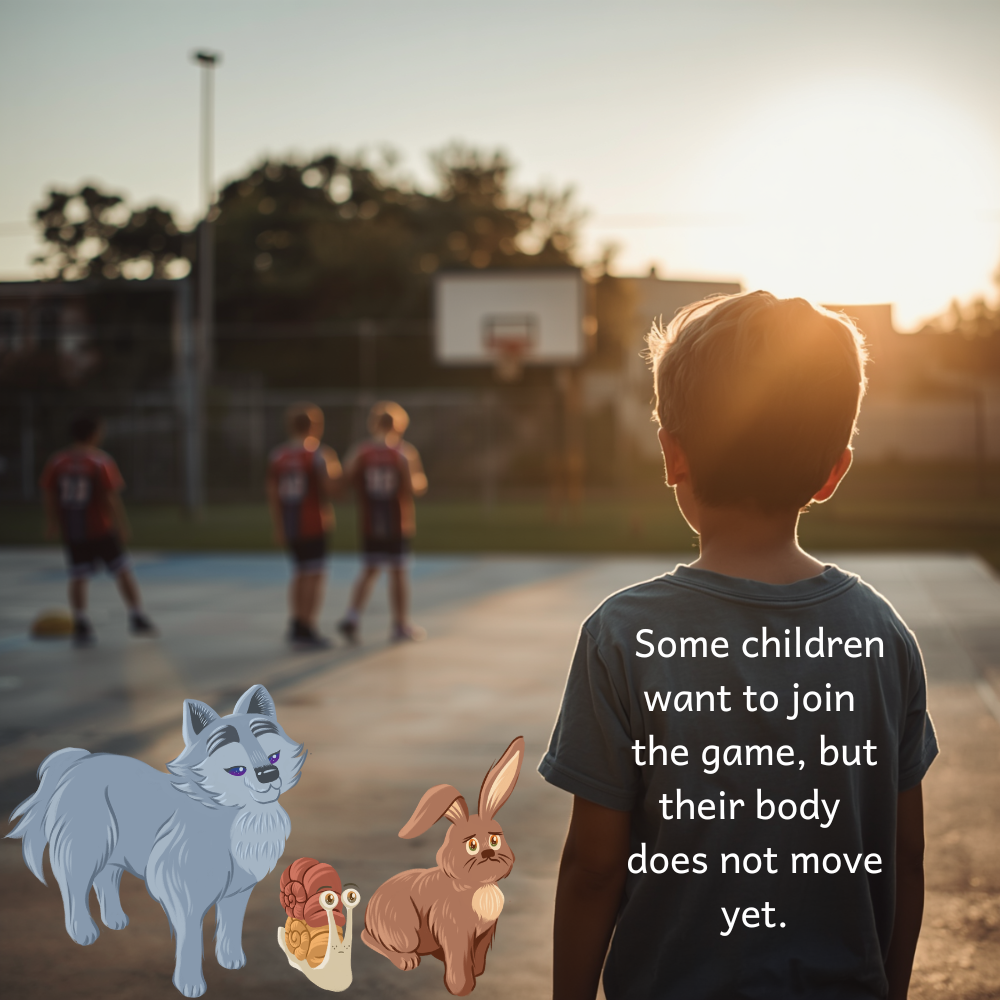
Picture Books About Making Friends for Shy Kids: Stories That Help Children Join In Without Pressure
Some children want friendship, but the first step toward joining in feels enormous. These picture books about making friends for shy kids help children feel seen, practice social courage, and understand that connection can begin with one small, brave step.
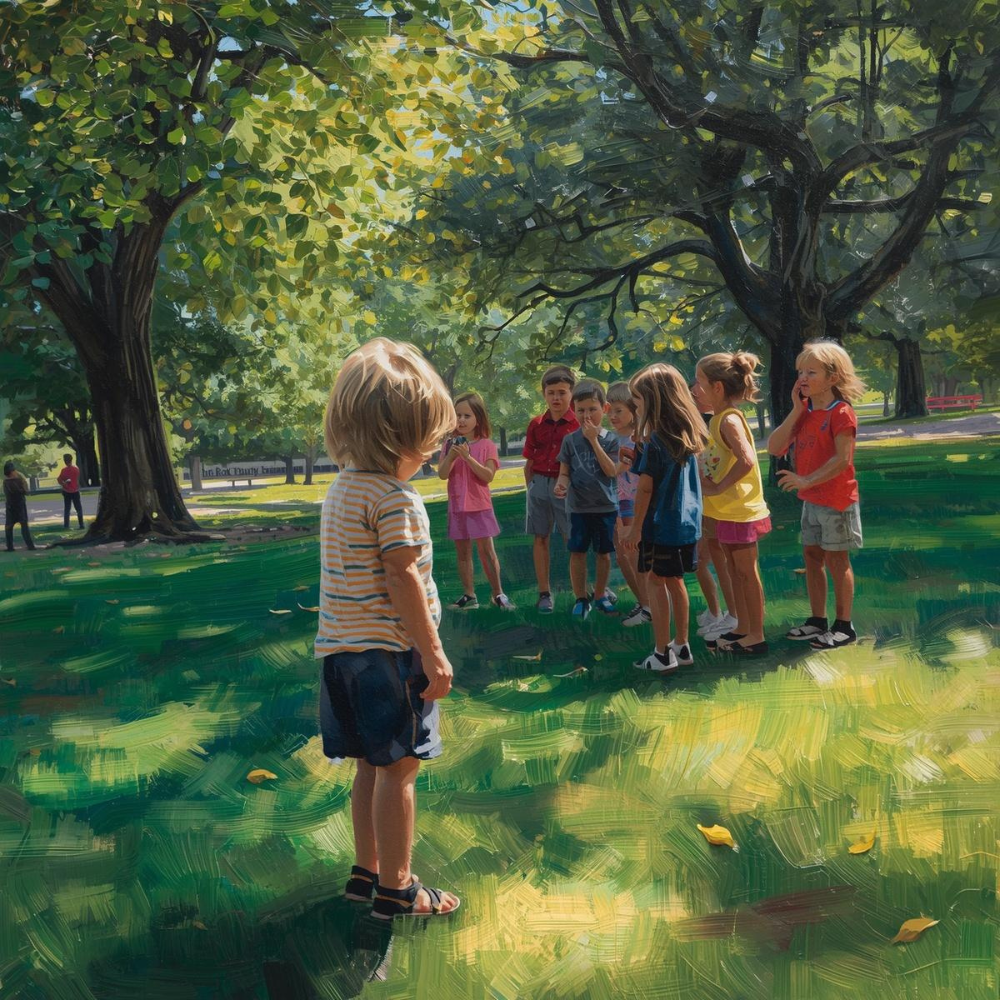
Shy, Anxious, or Hesitant? How to Tell the Difference and Help the Right Way
Some children hang back because they are shy. Some are anxious. Some hesitate only at the edge of certain moments. From a distance, those patterns can look similar. Up close, they are not the same, and the best way to help depends on which one you are actually seeing.
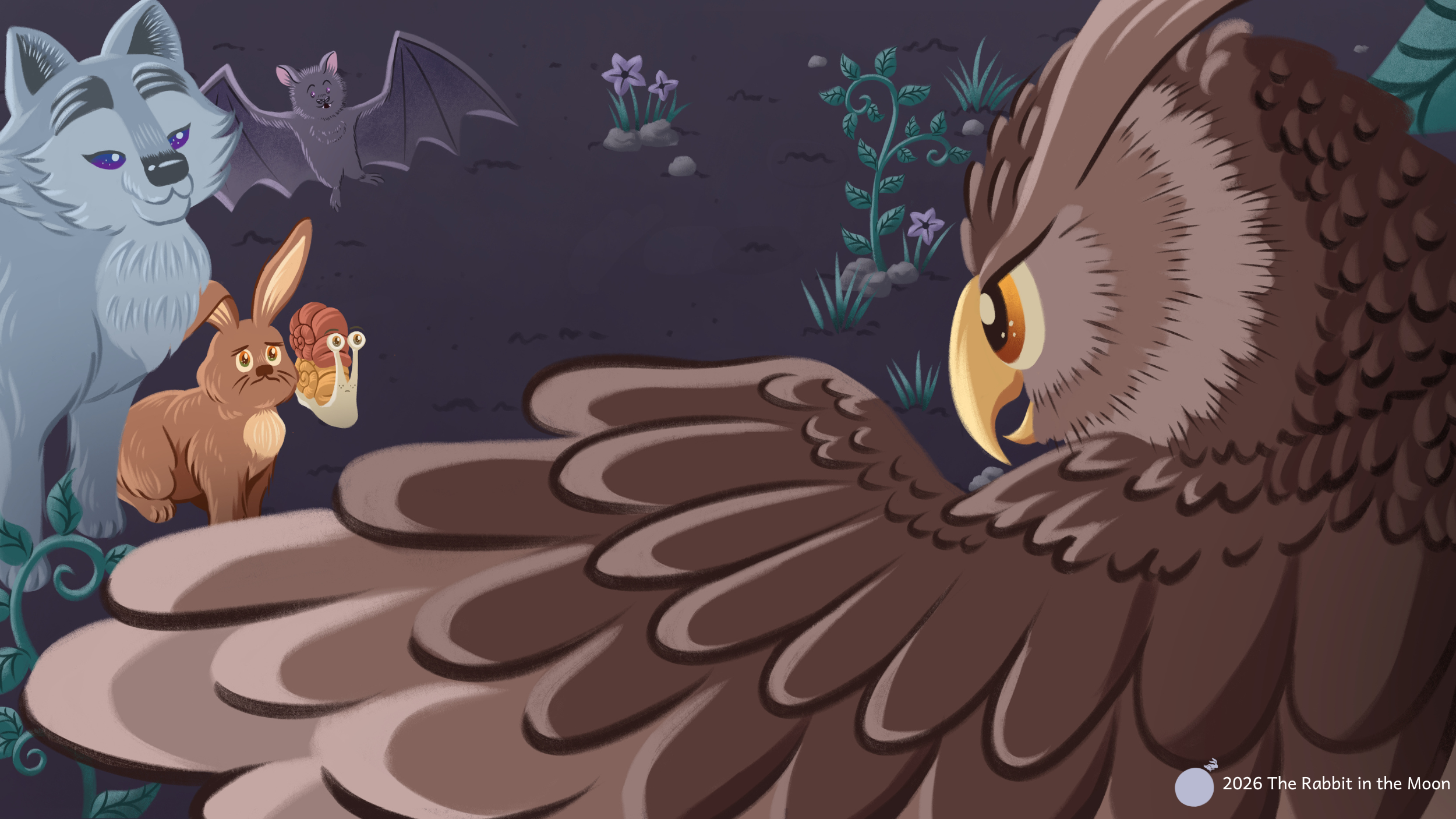
How to Help Your Child Take Tiny Brave Hops
If your child hesitates, avoids, stalls, or says “I can’t” before they begin, they do not need bigger pressure. They need a smaller doorway into courage. This guide explains how Tiny Brave Hops help anxious and hesitant kids build resilience one manageable step at a time.
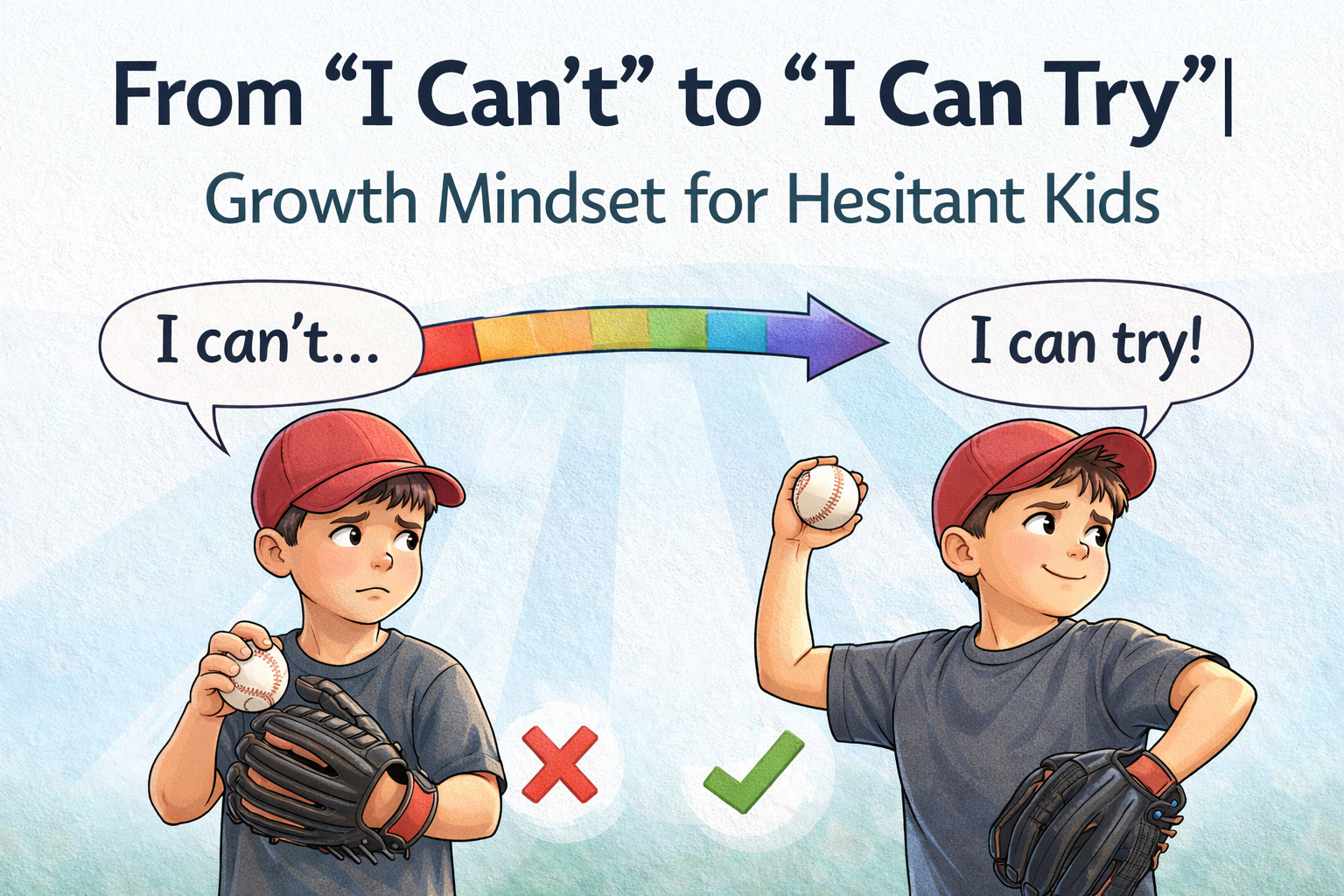
From “I Can’t” to “I Can Try”: Shifting Mindsets in Hesitant Children
When a hesitant child says “I can’t,” they are often revealing overwhelm, not truth. Here’s how parents can help children shift toward “I can try” with better language, stronger emotional safety, and real resilience-building support.
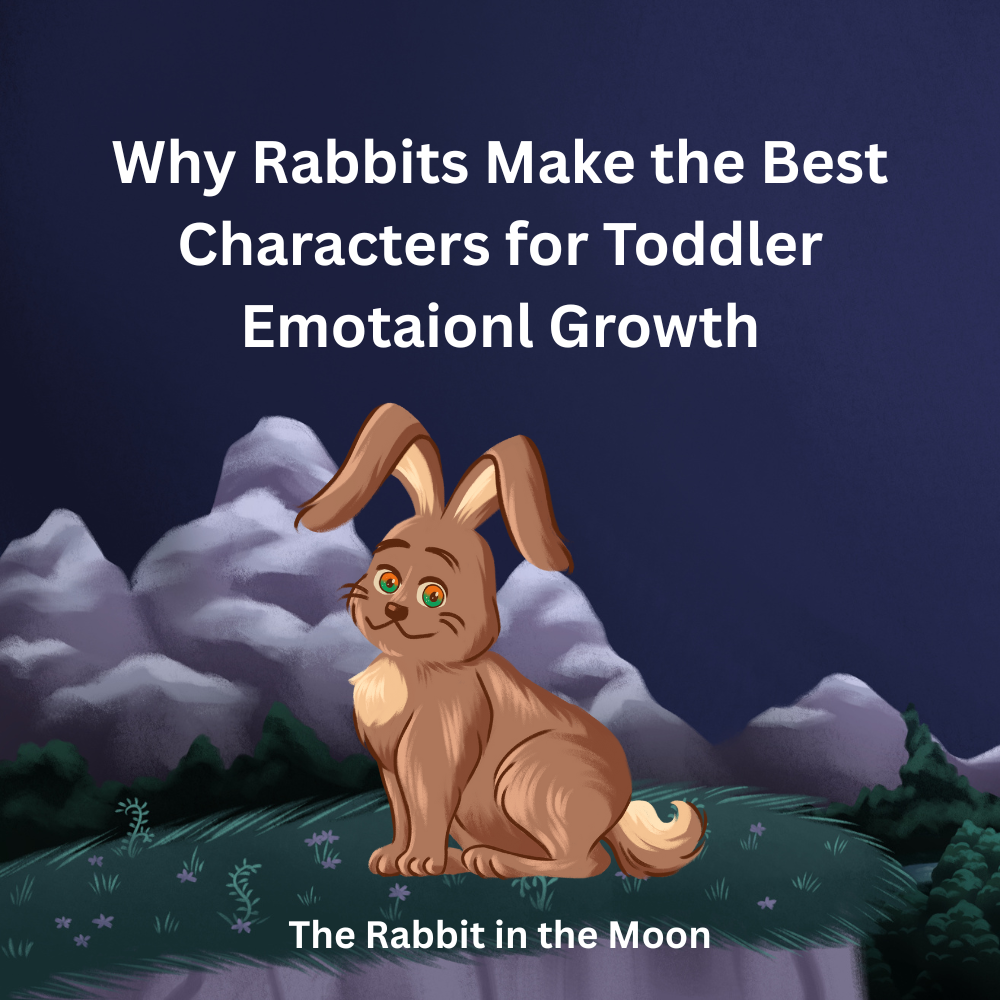
Why Rabbits Make the Best Characters for Toddler Emotional Growth
A parent-friendly guide to why rabbit characters are perfect for toddler emotional intelligence, helping children name big feelings and build courage through tiny brave steps.
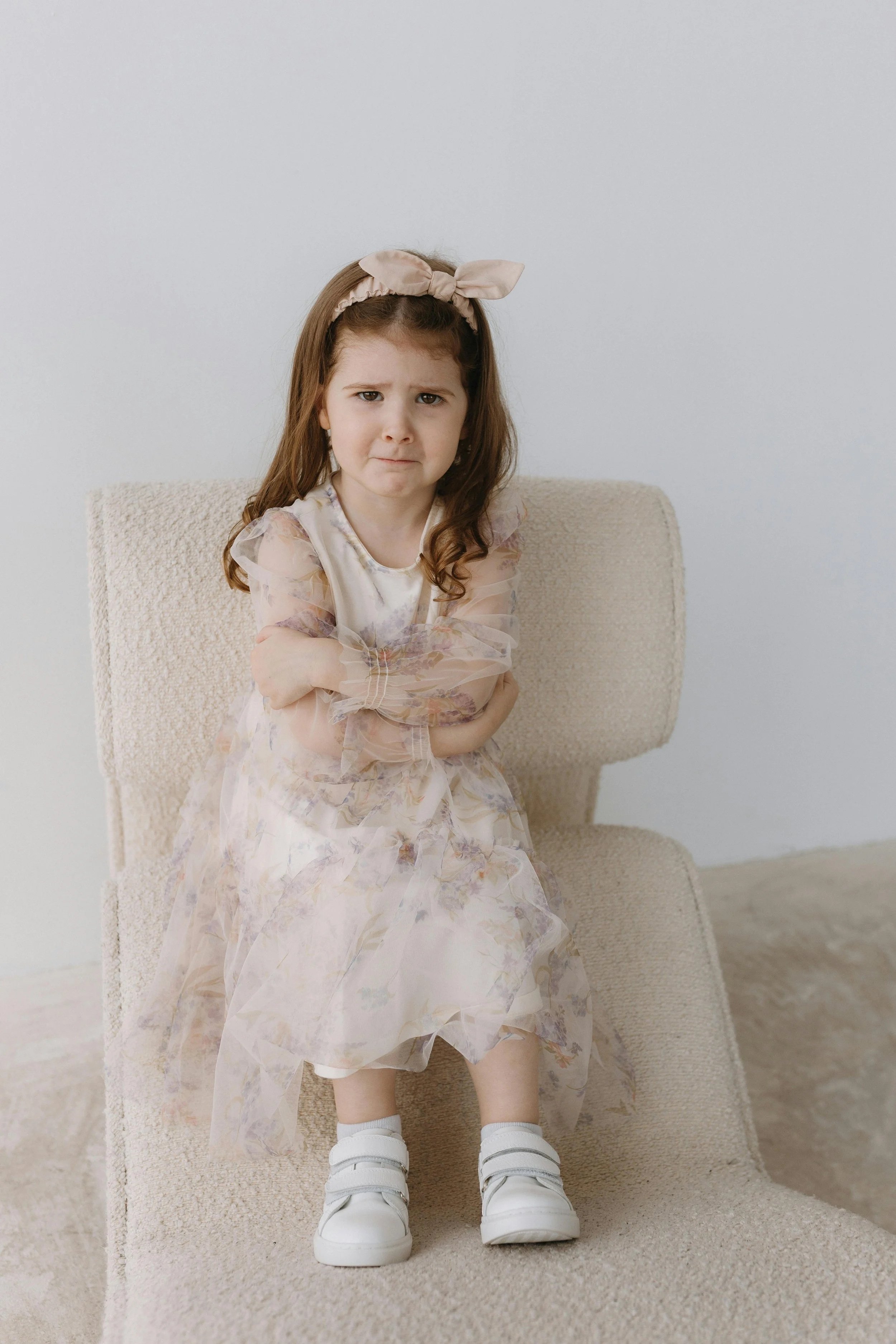
How to Help a Child Who Refuses to Try New Things
If your child refuses to try new things, the first move is not more pressure. This parent guide explains why refusal often hides fear, how to respond in the moment, and how tiny brave hops help hesitant children begin.
Tiny Brave Steps: How to Start the New Year With More Courage
A gentle New Year’s guide for families: practical tiny brave steps that help kids (and parents) move through hesitation and start the year feeling more confident.