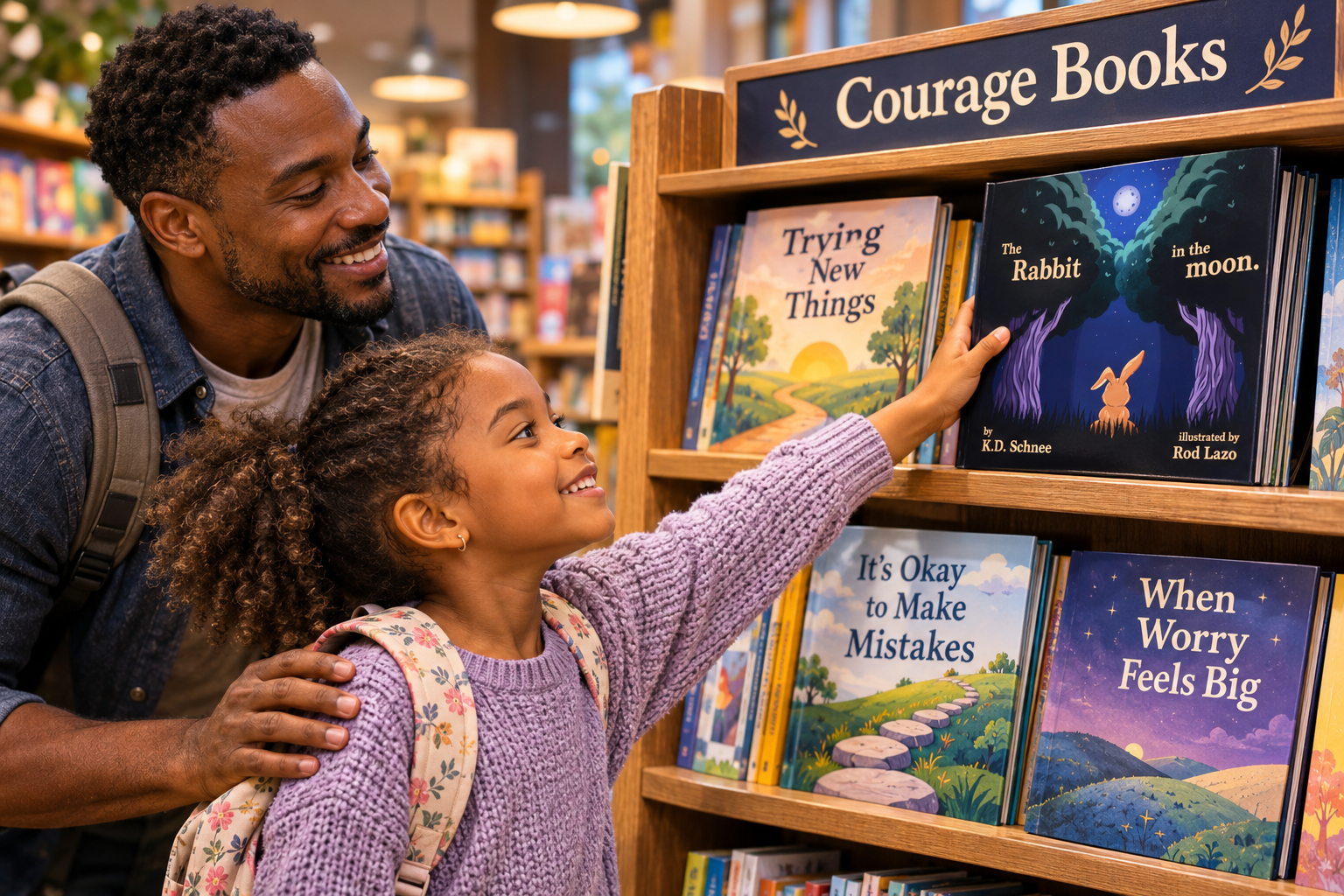
Which Courage Picture Book Fits Your Child? Books for Hesitation, Mistakes, Worry, and Trying Again
Courage is not one childhood skill. A child who freezes before starting needs a different story from a child who fears mistakes, carries worry everywhere, or has stopped trying after a difficult experience. This guide helps parents match the courage picture book to the place their child is actually getting stuck.
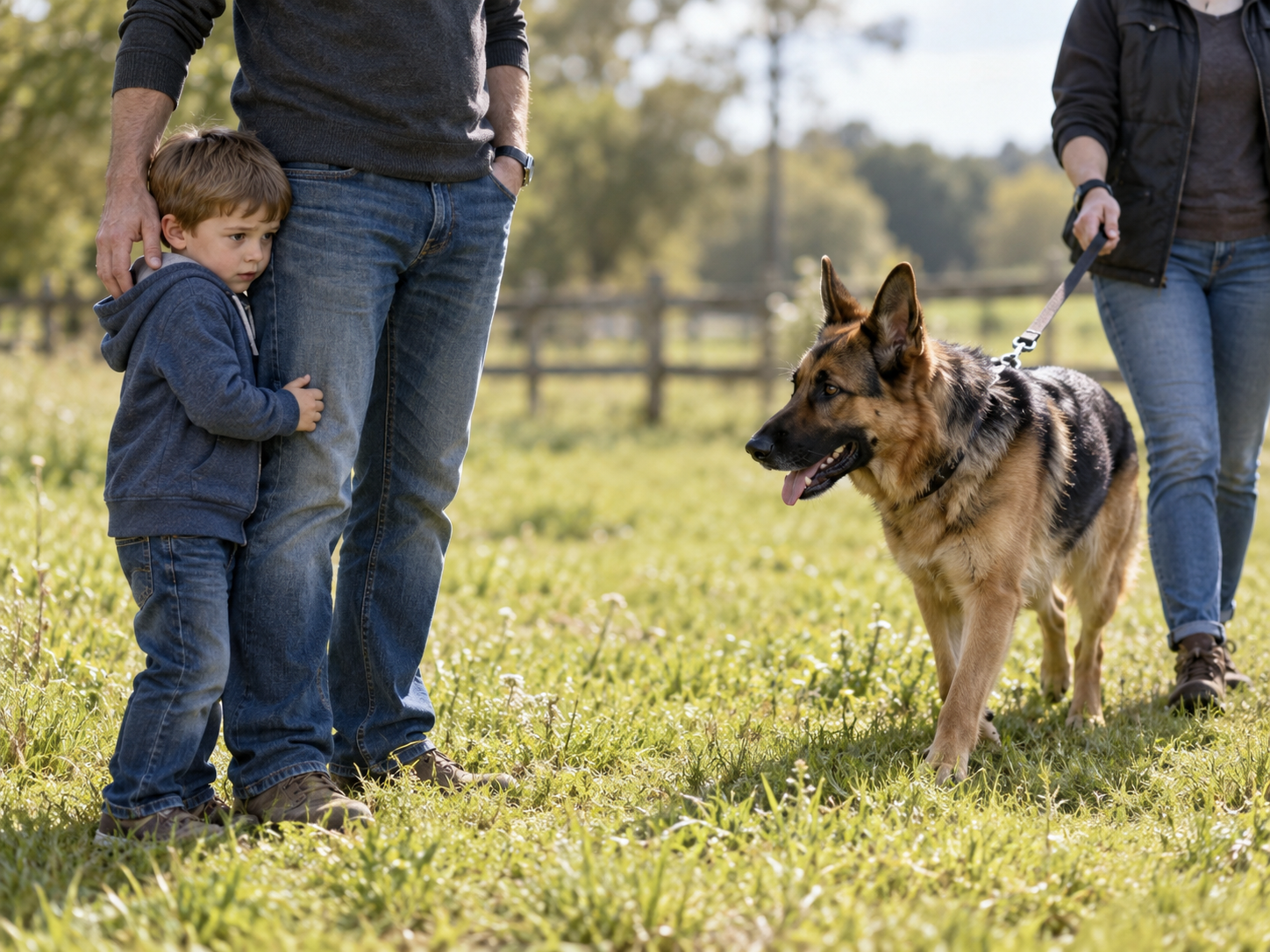
When Your Child Is Afraid of Dogs: Gentle Ways to Build Confidence Without Forcing Contact
A child can be afraid of dogs without needing to become a dog lover. The goal is to help them understand what feels scary, learn sensible dog-safety skills, and gradually become more comfortable around dogs without forcing them to pet, approach, or prove they are brave.
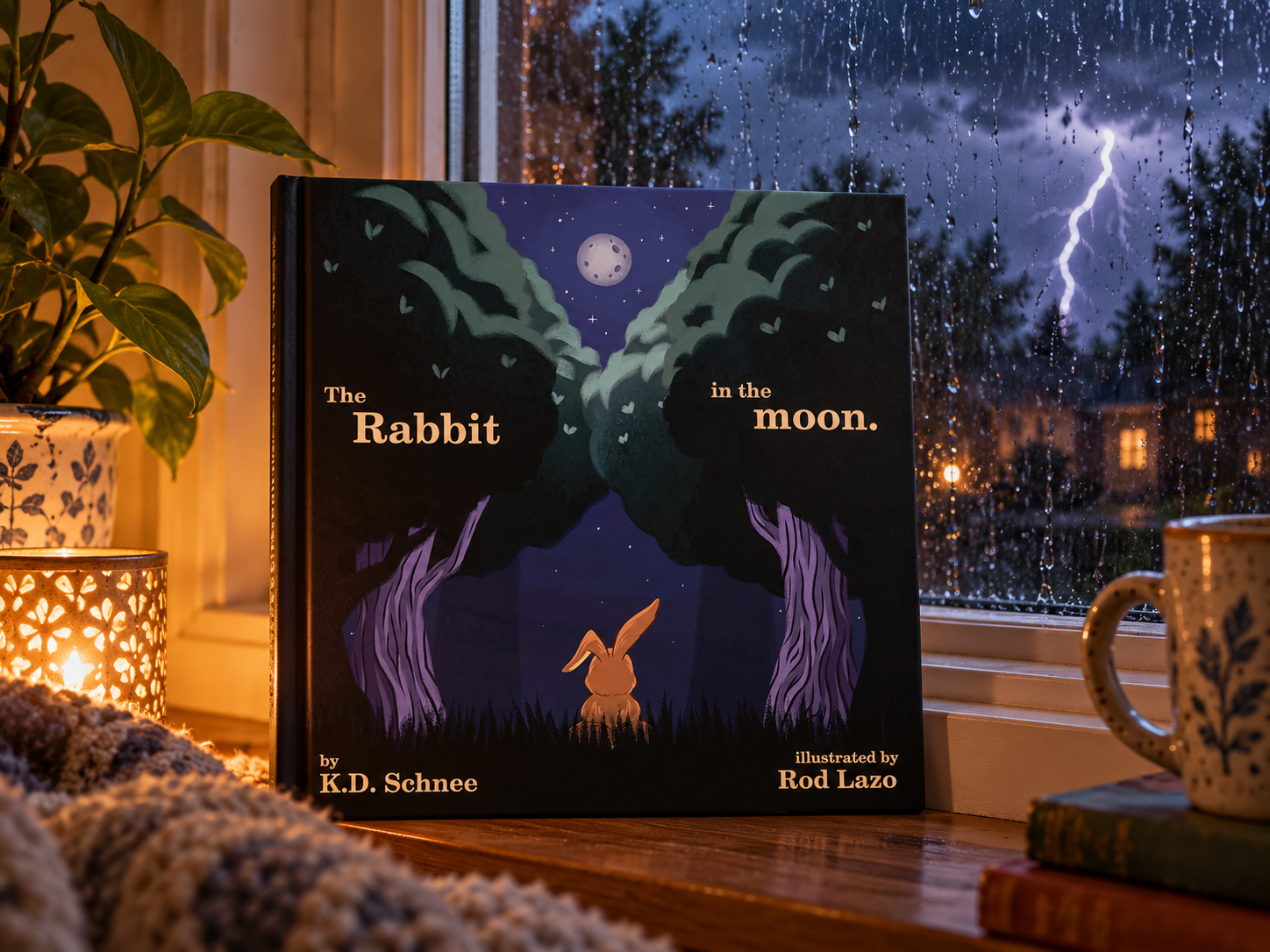
How to Help a Child Who Is Afraid of Thunderstorms Without Making the Fear Bigger
A child who is afraid of thunderstorms may be reacting not only to thunder and lightning, but to the anticipation of what might happen. Here is how parents can make storms more predictable, reduce fear without feeding it, and help children build confidence one manageable step at a time.

How to Prepare an Anxious Toddler for the Dentist Without Adding More Fear
A toddler who is nervous about the dentist does not need a bigger pep talk. They need the unfamiliar made more predictable. Here is how to prepare for the visit without creating extra fear, from practicing at home to handling tears in the dental chair.
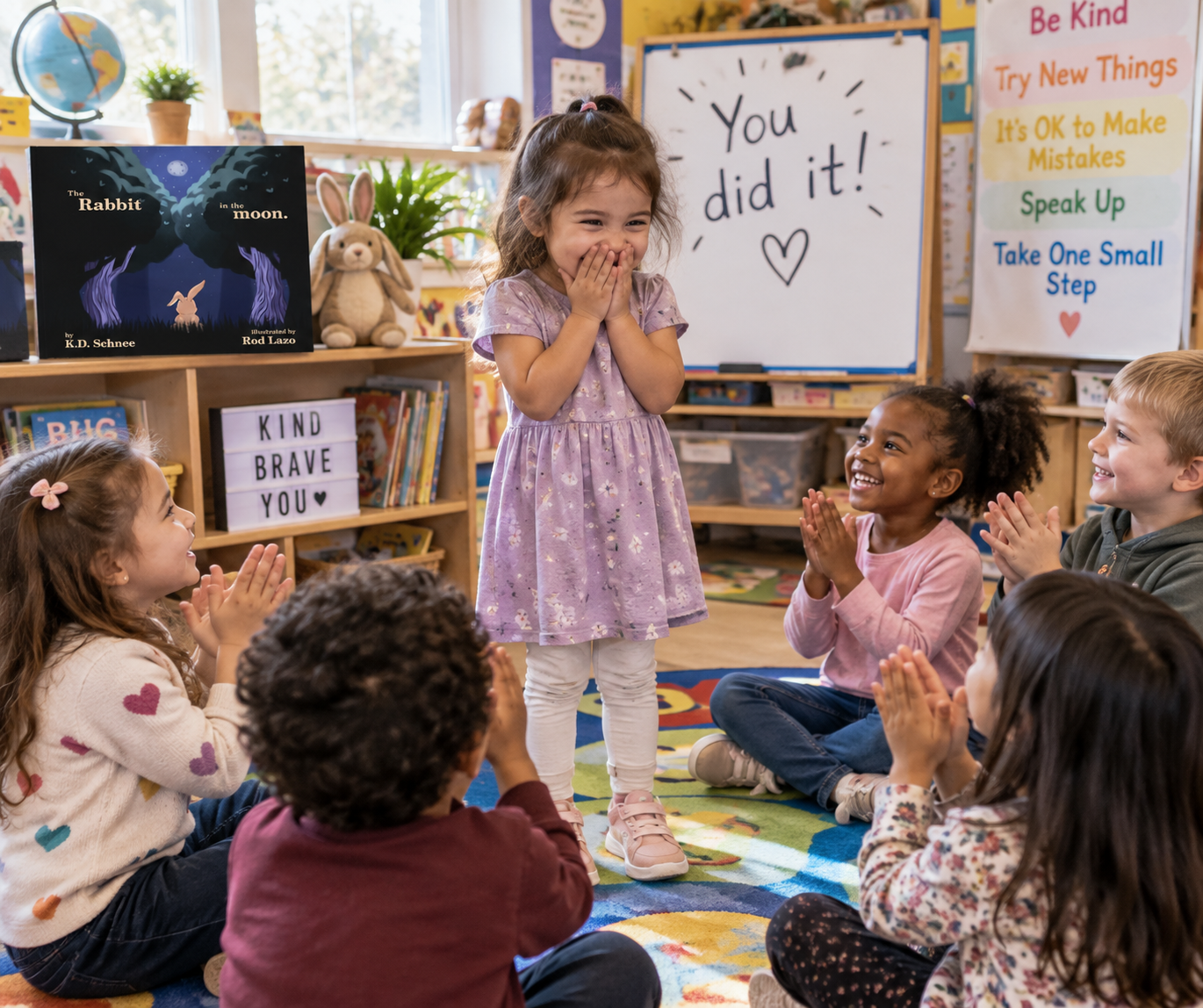
Picture Books About Courage for Kids: 20 Stories That Make Bravery Feel Possible
The best picture books about courage for kids show that bravery is not the absence of fear. These 20 stories help children begin, try again, speak up, handle change, be themselves, and discover that courage can start with one small step.

Best Gift Books for Children: How to Choose Stories That Last Longer Than Toys
The best gift books for children are not always the flashiest books on the shelf. They are the stories children return to, families read aloud, and parents remember because the book helped during a real moment.

How to Build Reading Confidence in Struggling Readers: Small Steps That Help Kids Feel Capable Again
Struggling readers do not only need more reading practice. They need reading to feel possible again. Here is how parents can help children rebuild confidence through small wins, read-alouds, picture books, and one tiny brave hop back to the page.

How to Encourage Reluctant Readers: Gentle Ways to Help Kids Come Back to Books
Reluctant readers do not always dislike books. Sometimes reading feels too hard, too pressured, too slow, or too connected to performance. Here is how parents can help children come back to books with less pressure, more choice, and one small step at a time.

How to Balance Screen Time and Reading for Kids: Small Storytime Routines That Help Books Win Back Attention
Balancing screen time and reading does not mean turning books into punishment or screens into the enemy. It means creating small, repeatable storytime routines that help books become visible, comforting, and worth choosing again.

Back-to-School Books for Hesitant Kids: Why The Rabbit in the Moon Makes Returning to School Feel Safer
The best back-to-school books for hesitant kids do not simply say school is exciting. They help children understand the night before, the backpack by the door, drop-off, joining the group, making mistakes, asking for help, and taking one tiny brave hop into the day.

Why The Rabbit in the Moon Is One of the Best Children’s Books for Building Confidence in Hesitant Kids
Confidence does not always begin with a bold child. Sometimes it begins with a hesitant child who feels seen, supported, and brave enough to try one small step. Here is why The Rabbit in the Moon was created to help hesitant children build confidence through one tiny brave hop.

How to Develop Good Reading Habits in Kids: Small Storytime Routines That Help Books Become Part of Family Life
Good reading habits do not begin with pressure, timers, or perfect bedtime routines. They begin when books become part of family life: visible, chosen, repeated, read aloud, talked about gently, and connected to comfort, courage, and joy.

Children’s Books About Difficult Topics: Stories That Help Kids Feel Safe Talking About Hard Things
The best children’s books about difficult topics do not force hard conversations. They give children a safe story, a character to follow, and language for feelings that may be too big to explain all at once.

How to Choose Illustrated Children’s Books Your Child Will Actually Want to Read
The best illustrated children’s books are not always the loudest, newest, or most colorful. They are the books a child wants to look at, talk about, return to, and carry into real life. Here is how to choose books your child will actually want to read.

Books for Kids Afraid of Doctor Visits: Stories That Make Medical Moments Feel Safer
The best books for kids afraid of doctor visits do not pretend medical moments are easy. They help children understand what might happen, name the fear, feel supported, and find one small brave step into the appointment.

How Picture Book Metaphors Help Children Understand Anxiety Without Fear
Children often feel anxiety before they can explain it. Picture book metaphors give worry a shape, a character, a color, a journey, or a small brave action children can understand. Here is how metaphor helps kids talk about anxiety without fear or shame.

Picture Books About Change and Transitions for Kids: Stories That Make New Beginnings Feel Safer
The best picture books about change and transitions help children understand what is ending, what is beginning, and what small brave step comes next. For hesitant children, stories can make new routines, school shifts, moving, bedtime changes, and separation moments feel safer.

Picture Books for Kids Worried About School: Stories That Make the First Step Feel Smaller
The best picture books for kids worried about school do not simply say, “School is fun.” They help children name what feels hard, feel less alone, and find one small brave step into the classroom, group, activity, or new routine.

Picture Books for Kids Afraid of the Dark: Stories That Help Night Feel Safer
The best books for kids afraid of the dark do not dismiss fear. They help children understand shadows, nighttime imagination, scary sounds, and bedtime worries in a way that feels safe, gentle, and small enough to face.

How to Choose the Right Anxiety Book for Your Child
The right anxiety book for your child is not always the most popular one. It is the story that matches your child’s actual worry, respects their feelings, and gives them language for one small next step.